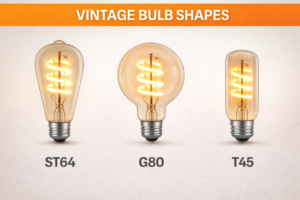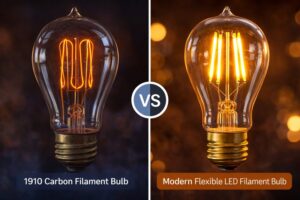
Are you worried about lighting priceless artifacts? Traditional bulbs cause irreversible fading, actively destroying the very history you're trying to preserve with harmful heat and UV radiation.
Prioritize bulbs with zero UV and IR emissions. Specify a CRI of 95+ for perfect color accuracy. Use a controllable, appropriate color temperature (2700K-3000K) and ensure commercial-grade reliability to protect art, present it accurately, and minimize disruptive maintenance.
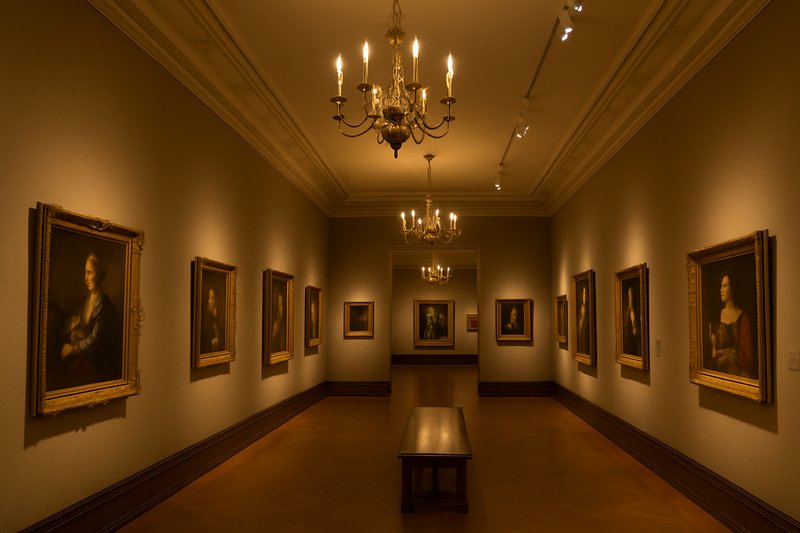
I once worked with a curator of a small historical museum housed in a 19th-century mansion. He was passionate about the collection but terrified of the lighting. The building's original chandeliers and wall sconces used dozens of incandescent candelabra bulbs. He showed me a priceless silk dress from the 1880s that had visible fading exactly where the light from a nearby sconce had hit it for years. He called the lighting a "necessary evil"—he needed it for visitors to see, but he knew it was slowly erasing his collection. He was hesitant about LEDs, fearing they would look too modern and cold, ruining the historic feel of the rooms. This is the central challenge in museum and exhibition lighting: a delicate balance between presentation and preservation. Our task was to find a bulb that could replicate the warmth of the original lighting while completely eliminating the harmful radiation that was causing the damage. It's a perfect example of how the right technology, when applied thoughtfully, can both enhance a space and protect it.
How can you be certain your lighting isn't slowly destroying your collection?
Are you using older incandescent or halogen bulbs in your exhibition spaces? You could be bombarding delicate pigments and textiles with invisible radiation that causes permanent fading and degradation every second they are on.
Choose high-quality LED sources, which are inherently free from ultraviolet (UV) and infrared (IR) radiation. This eliminates the primary causes of light-induced damage, making LEDs the only truly safe option for illuminating sensitive and irreplaceable artifacts over the long term.
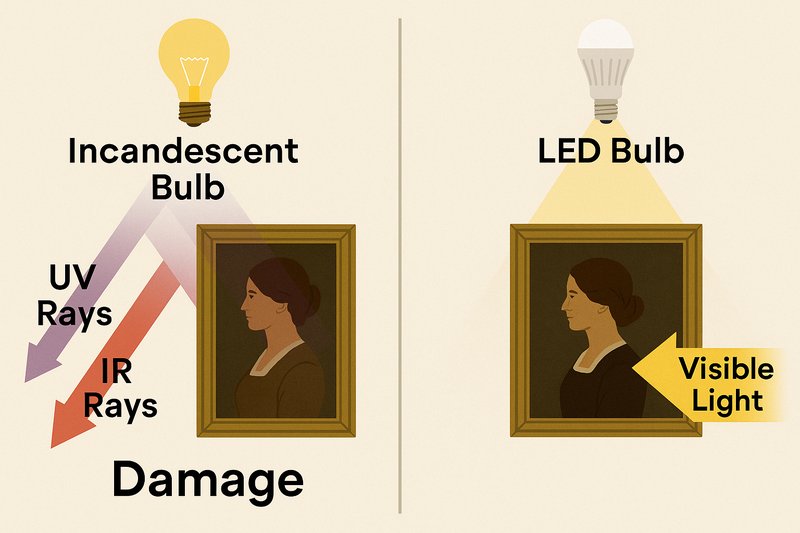
Preservation is the number one mission of any museum or archive, and light is one of the most significant threats to that mission. The damage is cumulative and irreversible. For decades, museum lighting designers went to great expense to place special UV filters over hot, inefficient incandescent and halogen lamps. This was a partial solution, but it was costly and didn't address the damage caused by the heat from infrared radiation. This is where the transition to high-quality LED technology becomes a revolutionary step for preservation. LEDs produce light through a process called electroluminescence, which generates almost no energy in the non-visible parts of the spectrum. There is no UV to bleach pigments and no focused IR to heat and dry out delicate materials like paper, canvas, or wood. As a manufacturer for such critical applications, our responsibility goes beyond just making a light that turns on. We have to guarantee that our product does no harm. This is a non-negotiable property of a true museum-grade light source.
Understanding The Invisible Damage
The light we can't see is what causes the most harm to historic objects.
- Ultraviolet (UV) Radiation1: This is a high-energy, short-wavelength light that is invisible to the human eye. It is the primary culprit behind photochemical reactions that cause colors to fade, and materials like paper and textiles to become yellow and brittle. Sunlight is high in UV, which is why documents left in a window fade so quickly. Old bulbs produce a significant amount of it.
- Infrared (IR) Radiation: This is long-wavelength energy that we perceive as heat. The focused beam from an incandescent or halogen lamp is essentially a heat lamp, which raises the surface temperature of an object. This constant heating and cooling cycle with the ambient air causes materials to expand and contract, leading to cracking in paintings, desiccation of wood, and accelerated decay.
The LED Advantage: Cold, Clean Light
High-quality LEDs solve both problems at the source.
| Damaging Factor | Traditional Incandescent/Halogen | High-Quality LED2 | Impact on Preservation |
|---|---|---|---|
| UV Emission | High | Zero | Completely stops UV-induced fading and material degradation. |
| IR Emission / Heat | High (beam is very hot) | Extremely Low (heat is managed at the bulb base) | Prevents heat-related damage like cracking and drying. |
| Energy Use | Very High | Very Low (up to 90% less) | Reduces operational costs, allowing more budget for conservation efforts. |
By switching to LED candelabra bulbs in the ambient and decorative fixtures of a museum, you are not just upgrading the lighting; you are installing a modern conservation tool that actively protects the collection 24 hours a day.
How can you ensure visitors see the artist's true colors?
Does the current lighting in your gallery make vibrant masterpieces look dull and flat? Poor color rendering can misrepresent the artist's intent and diminish the visitor's experience of the work.
Specify bulbs with the highest possible Color Rendering Index, specifically a CRI of 95 or greater, with a high R9 value (>80) for rich reds. This level of color fidelity ensures that every subtle hue and tone is rendered with near-perfect accuracy, as if viewed in natural daylight.

After ensuring a light source is safe, the next most critical factor is its quality. The entire purpose of a museum is to present an object for viewing, and the quality of that view is entirely dependent on the quality of the light hitting it. Color Rendering Index (CRI) is the metric that defines this quality. A low CRI light can completely change the perception of a piece of art. It can make a deep crimson robe in a portrait look brownish, or the subtle blues in a landscape appear gray and lifeless. The visitor is fundamentally not seeing the art as the artist created it. This is why for museum applications, a standard "good" CRI of 80 or even 90 is not sufficient. The professional standard for art galleries and museums is 95 and above. This is a level of color accuracy that is almost indistinguishable from pure, natural sunlight. It means that what the visitor sees is a true and faithful representation of the work. As a manufacturer, producing a 95+ CRI LED is a significant technical challenge that requires the highest quality LED chips and phosphor coatings, but for these applications, there is no substitute.
Deconstructing Museum-Grade Color Quality
It's about more than just a single CRI number.
- CRI (Ra): This is an average score based on how the light renders eight standard pastel colors. A score of 95+ indicates exceptional performance across most of the spectrum.
- R9 (Saturated Red)3: This is a crucial secondary metric that is not included in the main CRI average. It specifically measures how accurately the light renders deep, saturated red. Red is a notoriously difficult color for LEDs to produce well, and it's essential for everything from old master paintings to modern art. A low R9 value makes reds look dull and flat. For museum use4, an R9 of over 80 is considered excellent.
- TM-30-185: This is a newer, more comprehensive system for evaluating color rendition. It uses 99 color samples instead of just 8 and provides additional data on fidelity (Rf) and gamut (Rg). While still being adopted, a good TM-30 report is a sign of a truly high-quality, professional light source.
The Impact of Fidelity on the Viewer Experience
| Color Metric | Standard Quality (CRI 80) | Museum Grade (CRI 95+, R9 >80) | What the Visitor Sees |
|---|---|---|---|
| Overall Colors | Colors appear slightly washed out or tinted. | Colors are vibrant, saturated, and true-to-life. | A muted, less impactful image vs. a powerful, engaging work of art. |
| Reds & Skin Tones | Reds look brownish. Skin tones look pale or sallow. | Reds are deep and rich. Skin tones are healthy and natural. | Portraits can look lifeless and dull vs. looking vibrant and realistic. |
| Blues & Greens | Subtleties in landscapes can be lost. Cool colors can look gray. | The full range of blues and greens is distinct and clear. | A flat landscape vs. one with depth and atmospheric realism. |
Using high-fidelity lighting is a sign of respect for both the artist and the audience. It presents the work honestly and allows for the richest possible viewing experience.
How do you create atmosphere and focus without constant adjustments?
Are different exhibitions requiring you to constantly change bulbs to achieve the right mood? This inflexibility is inefficient and limits your ability to tailor the lighting to specific collections or events.
Use a system of candelabra bulbs with a consistent color temperature (often 2700K or 3000K) and superior, flicker-free dimming capabilities. This allows you to set a beautiful, uniform ambient light level that can be adjusted to support different curatorial visions without changing a single bulb.
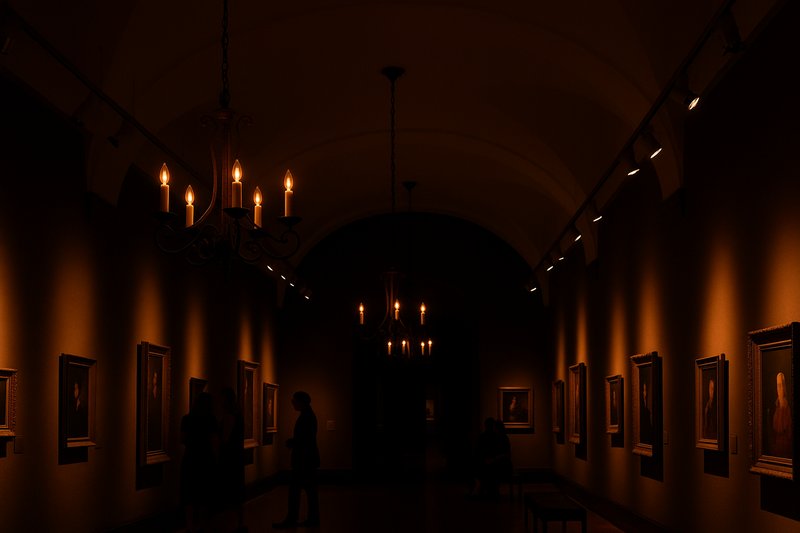
While spotlights (accent lighting) are used to draw attention to individual artworks, the candelabra bulbs in chandeliers and sconces provide the crucial ambient (or general) light. This ambient light sets the overall mood of the space and provides the base level of illumination for safe navigation. In a museum setting, this mood needs to be precisely controllable. A gallery displaying ancient artifacts might require a very low, dramatic light level, while a hall with modern sculpture might need to be brighter and more energetic. An evening fundraising gala will require a much warmer, more intimate setting than the bright, clear light needed for a school tour during the day. This level of flexibility is only possible with a high-performance dimming system. Cheap LED bulbs will often flicker, buzz, or drop out completely when dimmed low. A truly professional-grade candelabra bulb must have a sophisticated internal driver that allows for a smooth, deep, and stable dimming curve from 100% down to 1% or less, ensuring curators have full control over the atmosphere of their space.
The Tools of Atmospheric Control
These two features give lighting designers the flexibility they need.
- Stable Color Temperature (CCT)6: In a museum, consistency is key. Choosing a single, appropriate color temperature for all ambient fixtures creates a cohesive and professional look.
- 2700K (Soft White): The color of a classic incandescent bulb. It provides a warm, welcoming light that works well in historic settings and period rooms, creating a comfortable and traditional feel.
- 3000K (Warm White): A slightly crisper, cleaner white. This is often the standard for modern and contemporary art galleries, as it provides excellent color rendering without feeling too cold or clinical.
- Deep, Flicker-Free Dimming7: This is the most important functional capability for ambient lighting in a museum. The quality of the dimming performance is entirely dependent on the quality of the bulb's internal electronics.
- Dimming Range8: A professional bulb must dim smoothly down to very low levels (e.g., 5% or 1%) without extinguishing. This allows for dramatic, low-light scenes.
- Flicker-Free Performance: The driver must provide a constant current to the LEDs at all dimming levels to prevent any visible or invisible flicker, which is crucial for visitor comfort and for any video or photography in the space.
- System Compatibility9: The bulbs must be tested to work flawlessly with professional-grade control systems (like Lutron, Crestron, DALI) that are common in museum installations.
| Lighting Scenario | Required Control | High-Quality LED Solution |
|---|---|---|
| Daytime Public Hours | Bright, clear, even illumination. | Dimming level at 80-100%. |
| Sensitive Textile Exhibit | Low, controlled light levels to minimize exposure. | Dimming level at 20-30%. |
| Evening Gala / Event | Warm, intimate, restaurant-like atmosphere. | Dimming level at 5-15%. |
By investing in bulbs with superior dimming control, a museum is essentially investing in a flexible and future-proof lighting system that can adapt to any exhibition or event.
Why is commercial-grade reliability critical in a museum setting?
Is your maintenance staff spending too much time on lifts and ladders, disrupting quiet galleries to change a single failed light bulb? In a museum, maintenance is not just about cost; it's about disruption and risk.
Museums require bulbs with a commercial-grade L70 lifespan of 25,000+ hours and robust construction. This minimizes the frequency of replacement, reducing labor costs, preventing disruption to visitors, and lowering the risk of accidental damage to priceless objects during maintenance.
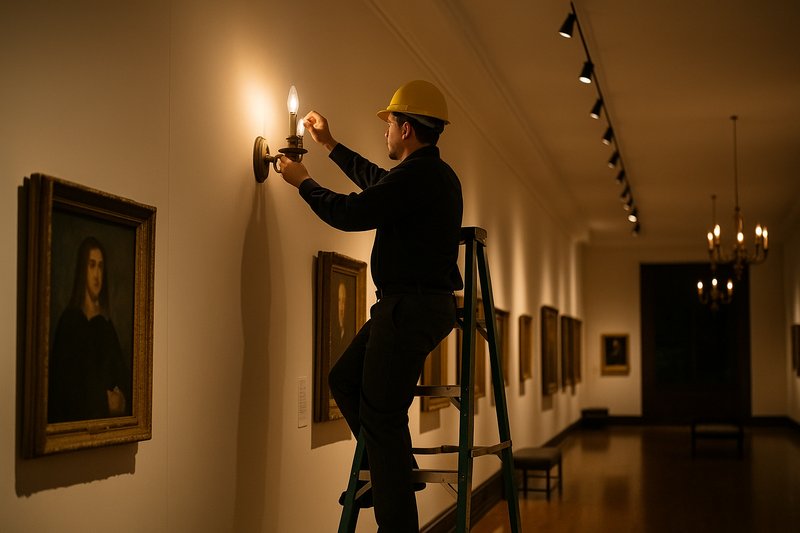
Changing a light bulb in a home is a minor inconvenience. Changing a light bulb in a museum gallery can be a major logistical operation. Fixtures are often located on very high ceilings, directly above priceless, irreplaceable artifacts. The process can require specialized lifts, cordoning off entire galleries, and the careful work of multiple staff members. The risk of dropping a tool, a bulb, or even dust onto an open artifact is a curator's nightmare. For this reason, the single most important operational feature of a museum light bulb is its longevity. A "set it and forget it" solution is the goal. A bulb that fails prematurely is not just a defective product; it's a potential risk to the collection. This is why a museum cannot use a standard consumer-grade bulb. They require a product that has been specifically engineered for long-term reliability in a commercial environment, one that is built to withstand long operating hours and will not require attention for many years.
The Hallmarks of a Reliable Bulb
Reliability isn't an accident; it's a result of deliberate engineering choices.
- Superior Thermal Management: Heat is the primary killer of LEDs. A commercial-grade bulb uses a substantial solid aluminum or ceramic heat sink to pull heat away from the sensitive internal components, allowing it to survive long museum operating hours (often 10+ hours a day) without degrading. A plastic consumer bulb will cook itself and fail in such an environment.
- Robust Driver Electronics: The internal power supply is built with high-temperature, oversized components that can handle continuous use and are less susceptible to failure from minor power fluctuations.
- Professional Lifespan Rating (L70): The lifespan is measured as the point at which the bulb's light output fades to 70% of its original brightness. For a museum, a minimum L70 rating of 25,000 hours is essential. This translates to over 6 years of operation at 10 hours per day, meaning re-lamping is a rare, planned capital project, not a constant maintenance headache.
| Feature | Standard Retail Bulb | Museum-Grade Commercial Bulb | Operational Impact | |
|---|---|---|---|---|
| Lifespan (L70) | 10,000-15,000 hours | 25,000 - 50,000 hours | Frequent, disruptive, risky replacements. | Rare, planned, safe replacements (every 6-12 years). |
| Construction | Plastic body, minimal heat sink | Solid aluminum/ceramic body | Prone to overheating and early failure. | Designed for long hours and thermal stability. |
| Warranty | 1-2 years | 3-5 years | No protection against early failures. | Guaranteed performance and long-term peace of mind. |
Choosing a highly reliable bulb minimizes human interaction with the galleries, reducing the single biggest risk factor to the collection and ensuring the focus remains on the artifacts, not on the ceiling.
Conclusion
For museum lighting, select LED candelabra bulbs that offer total UV/IR protection, a CRI of 95+ for color fidelity, precise dimming for atmosphere, and commercial-grade reliability to protect and perfectly present irreplaceable collections.
Understanding UV radiation's impact is crucial for preserving historic artifacts. Explore this link for in-depth insights. ↩
Discover how high-quality LEDs can revolutionize museum lighting and protect valuable collections effectively. ↩
Understanding R9 helps appreciate how lighting affects color accuracy, especially in art, enhancing your viewing experience. ↩
Discover why museums prioritize lighting quality to enhance art presentation and viewer engagement. ↩
Exploring TM-30-18 reveals a more detailed approach to color quality, crucial for selecting high-quality lighting. ↩
Understanding CCT is essential for creating cohesive lighting in museums, enhancing the visitor experience. ↩
Explore how flicker-free dimming enhances comfort and visual quality in museum settings. ↩
Learn why a wide dimming range is crucial for creating dramatic lighting effects in exhibitions. ↩
Discover how compatibility with control systems ensures optimal performance in professional lighting setups. ↩