You see various Kelvin ratings for decorative bulbs like 2200K, 2700K, and 3000K. Stocking the wrong color temperature means your bulbs will sit on the shelf, leaving your customers with lighting that feels cold, harsh, or just wrong for their space, leading to costly returns and damaged brand trust.
Stock 2700K as your versatile, high-volume core product for general use. Add 2200K as your high-margin specialty choice for creating authentic vintage ambiance. Use 3000K sparingly for modern commercial and residential spaces like kitchens and bathrooms where a cleaner, crisper light is required.
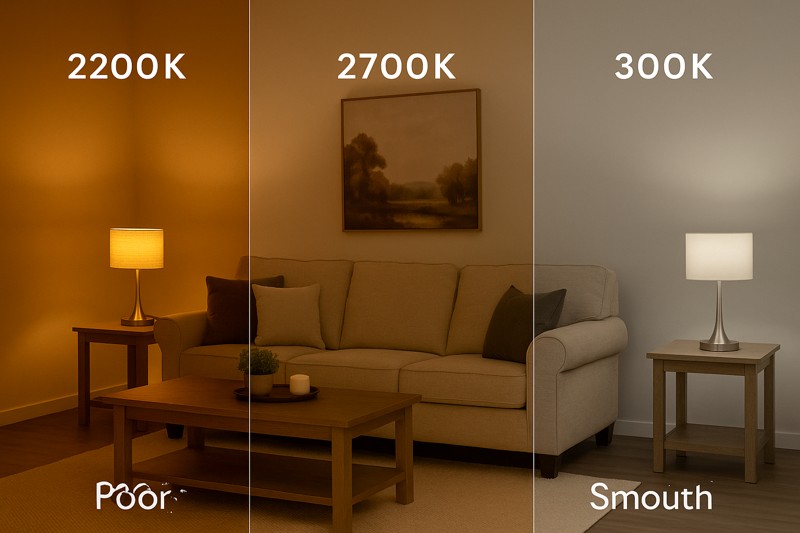
A few years ago, I was working with a new buyer from the UK, a sharp product manager we'll call Jacky. He was launching a new line of high-end rustic light fixtures and wanted to bundle them with the perfect bulb. He was convinced that the most "authentic" vintage look came from the absolute warmest light possible and decided to place his entire opening order in 2200K amber glass bulbs. The fixtures looked beautiful in his catalog. But soon, he called me with a problem. He was getting feedback from end-customers that the light was too orange, too dim for reading, and made their white kitchen cabinets look sickly yellow. They loved the fixtures but were immediately swapping out the expensive bulbs he had included. The cost of those returned bulbs was eating directly into the profit margin of his fixtures. He had chosen the perfect color for a specific mood but missed the color that people actually wanted to live with every day. We adjusted his next order to be 80% 2700K and 20% 2200K. His sales stabilized, returns on the bundled product dropped to almost zero, and his fixture line became a success. That taught me a crucial lesson: the most profitable color isn't always the most "specialty" one; it's the one that best solves the customer's everyday problem.
What Makes 2700K the Gold Standard for Residential Lighting?
With so many Kelvin options available, why does 2700K consistently outsell all others? Is it just a habit from the old incandescent days, or is there a scientific reason that makes it the safest and most profitable choice for your core inventory?
2700K is the gold standard because it perfectly replicates the familiar, comfortable glow of a traditional incandescent bulb. This warm white light is universally flattering to skin tones and creates an inviting atmosphere that consumers are psychologically conditioned to associate with "home."
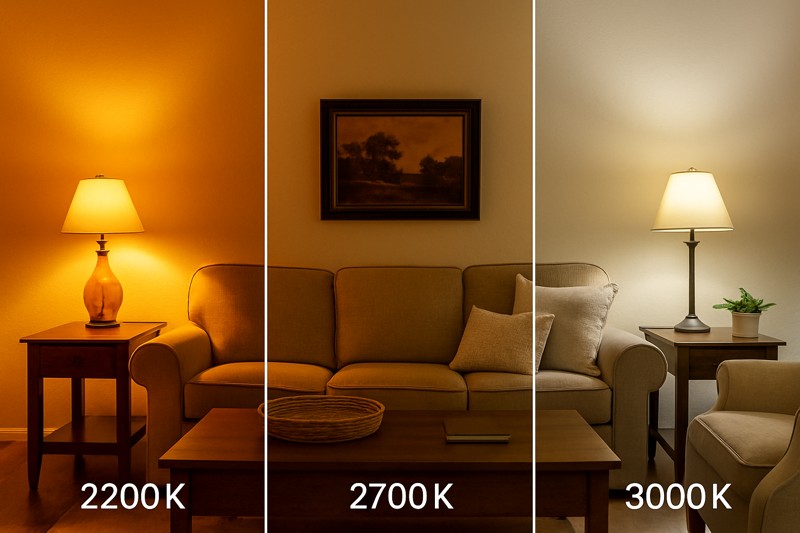
The dominance of 2700K is not an accident; it's the result of over a century of powerful conditioning. Before LEDs, the light in our homes was produced by heating a tungsten filament until it glowed. The color of that glow was consistently around 2700 on the Kelvin scale. As a result, generations of people have subconsciously learned to associate this specific color of light with the feeling of evening, relaxation, and comfort. It's the scientifically ingrained color of "home." When we developed our LED filament bulbs at Hongyu Bulb, achieving a beautiful, stable, and color-accurate 2700K was our highest priority. This light is incredibly versatile. It's warm enough to be cozy in a bedroom but neutral enough to render colors accurately in a living room. It makes people's skin look healthy and natural, and it makes wooden furniture and warm-colored fabrics look rich and vibrant. For a B2B buyer like Jacky, this means 2700K is the lowest-risk, highest-volume color temperature you can stock. It's the universal default that will account for the majority of your residential sales.
The Critical Role of Color Rendering Index (CRI)1
However, just hitting a 2700K color temperature is not enough. To truly replace an incandescent bulb, the LED must also render colors accurately. This is measured by the Color Rendering Index (CRI), on a scale of 0 to 100. A low-CRI bulb can make a space feel "off" or "dead" even if the color temperature is correct. This is a common failure point for cheap, low-quality LEDs.
- CRI 80+: This is the standard for most consumer-grade LEDs. It's acceptable for general use, but vibrant colors, especially reds, can appear slightly dull or washed out.
- CRI 90+2: This is the professional standard, which we hold for our Hongyu Bulb products. At this level, colors appear rich, natural, and virtually indistinguishable from how they would look under incandescent light or natural sunlight. This is crucial for residential clients who care about their interior design and for any retail or hospitality space where the appearance of goods and people matters.
| CRI Level | Effect on Colors | Ideal Application |
|---|---|---|
| CRI 80 | Acceptable, but reds and skin tones can appear flat. | Non-critical areas, budget projects. |
| CRI 90+ | Vibrant, true-to-life colors. Reds are rich, whites are clean. | High-end residential, retail, art galleries, restaurants. |
| CRI 95+ | Superior color fidelity, used in museums and medical settings. | Specialist applications requiring perfect color accuracy. |
By stocking a high-CRI (90+) 2700K bulb, you are offering a truly premium product that satisfies the most discerning customers and prevents complaints about poor light quality.
When Should You Use 2200K Vintage Amber Light?
You see the deep amber glow of 2200K bulbs in every trendy bar and rustic restaurant. Is this a high-margin opportunity to add character to your lineup, or is it a niche product for a limited and easily satisfied audience?
Use 2200K exclusively for creating a specific mood or historical ambiance. It is a decorative tool, not a source of general illumination. Its deep amber glow mimics candlelight or gaslight, making it perfect for exposed-bulb fixtures where the goal is atmosphere over function.
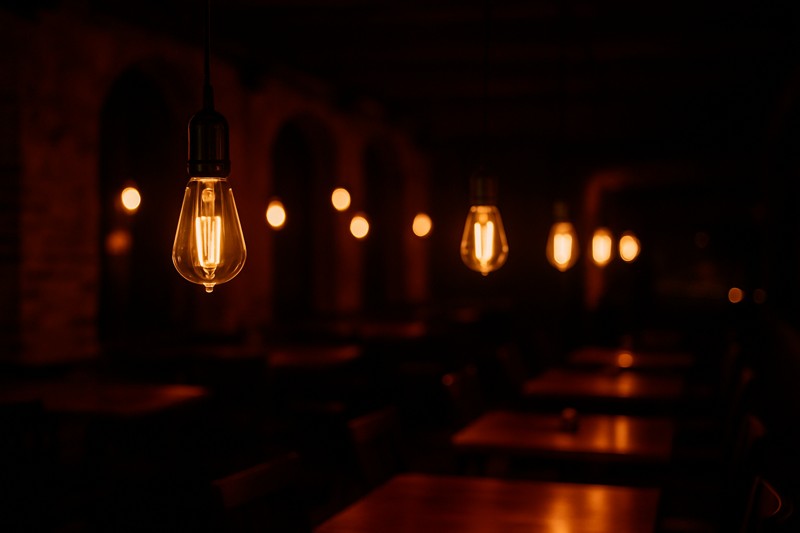
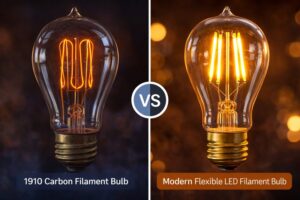
The move from 2700K to 2200K is a deliberate step away from function and toward pure atmosphere. This color temperature, often paired with amber-tinted glass, does not try to replicate a standard incandescent bulb. Instead, it aims to recreate the light from a much older source: a candle flame, a gas lamp, or the earliest carbon filament bulbs. The light is noticeably more orange and falls at the very warm end of the white light spectrum. This makes it an incredibly powerful tool for designers looking to create a specific vibe. Think of a speakeasy bar, a romantic corner of a restaurant, or a steampunk-themed room. However, it's crucial to understand and communicate its limitations. 2200K light is not good for tasks requiring color accuracy, like cooking, reading, or applying makeup. It will make cool colors like blues and greens appear muted and drab. For a buyer like Jacky, this means the 2200K bulb is a high-margin, specialty item. You will sell fewer of them, but they are sold to customers making a specific design choice who are willing to pay a premium for that perfect atmospheric effect.
Beyond Temperature: The Art of Filament and Glass
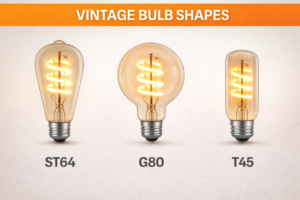
With 2200K bulbs, the visual appearance of the bulb itself is just as important as the light it produces. The filament design is a key selling point.
- Squirrel Cage: The classic, most recognized vintage filament style. A great all-rounder.
- Spiral: A more modern, clean take on the vintage look. Offers a beautiful, continuous line of light.
- Christmas Tree / Z-Filament: A very intricate, historical look that commands a premium price.
- Glass Finish3: Amber glass deepens the warm glow for the most authentic vintage feel. A "Smoked" or light grey tint offers a more industrial-chic look, while a clear glass finish allows the filament itself to be the hero.
| Filament Style4 | Visual Effect | Best For |
|---|---|---|
| Squirrel Cage | Classic, intricate, traditional vintage look. | Pendant lights, multi-arm chandeliers. |
| Spiral | Clean, soft, continuous glowing line. | Modern-rustic fixtures, single exposed bulbs. |
| Christmas Tree | Complex, eye-catching, antique character. | Feature pendants, high-end decorative fixtures. |
Positioning 2200K as a special tool with various aesthetic options allows you to command a better price and establishes you as a supplier with sophisticated, design-oriented solutions.
Is There a Market for 3000K LED Filament Bulbs?
You occasionally see requests for 3000K bulbs, a step cooler than the standard 2700K. Is this a growing trend you should invest in, or is it a commercial-only product with limited appeal for your core customer base?
The market for 3000K filament bulbs is a specific and growing niche, primarily in modern residential and high-end commercial spaces. It offers a "cleaner" warm white light that bridges the gap between cozy residential and sterile commercial lighting.
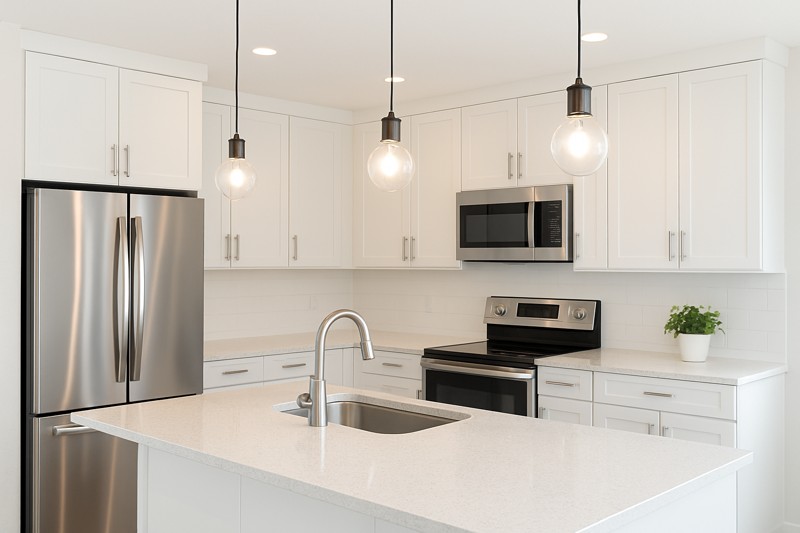
While 2700K owns the "cozy" residential market, 3000K is carving out a significant space in the modern design world. It's still firmly in the "warm white" category, but it has significantly less of the yellow/orange tint of 2700K. The result is a crisper, cleaner light that makes whites appear brighter and colors pop with more neutral accuracy. This makes it an ideal choice for specific applications where the yellow warmth of 2700K might feel too traditional or even dated. Think of modern kitchens with white lacquer cabinets, bathrooms with clean tile and chrome fixtures, or high-end retail boutiques that want to feel welcoming but also bright and clean. For a B2B buyer, 3000K is not going to replace 2700K in volume. However, having it in your portfolio—especially in modern shapes like Globes (G95) and standard A19s—shows you cater to architects and designers working on contemporary projects. It signals that your product line is current and comprehensive.
The Impact of 3000K vs. Cooler Tones
It's crucial not to confuse 3000K with even cooler temperatures. Its value lies in its balance.
- 3000K (Soft White)5: Clean, neutral-warm. Makes modern materials like stainless steel, white marble, and cool grey paints look crisp and high-end. It's energizing but still comfortable.
- 4000K (Cool White)6: Noticeably neutral, sometimes with a slight blue tint. This is commercial, task-oriented light. Excellent for offices, garages, and workshops where alertness is key, but it feels clinical and unflattering in a home.
| Space / Material | 2700K Effect | 3000K Effect | 4000K Effect |
|---|---|---|---|
| White Kitchen Cabinets | Can look slightly cream or yellow. | Look crisp, clean, and true white. | Look stark, almost blueish, and cold. |
| Boutique Retail | Cozy, but can make colors less vibrant. | Inviting yet clean; makes products pop. | Too much like an office; can feel cheap. |
| Modern Bathroom | Warm, spa-like. | Clean, bright, high-end hotel feel. | Clinical, like a hospital. |
Offering 3000K filament bulbs is a strategic move that expands your market reach to include modern residential and a wider range of commercial clients who demand a sophisticated balance of warmth and clarity.
Can Dimming Change the Color Temperature of a Bulb?
A customer installs your dimmable 2700K bulbs, but complains that when they dim them for a cozy evening, the light just looks grey and dull. The mood is ruined, and they blame your product's quality.
Yes, standard LEDs maintain their color temperature when dimmed, becoming a less-bright version of the same color. For a true incandescent feel, you need a specialty product with "Warm Dim" technology, which actively lowers the Kelvin temperature as the bulb dims.
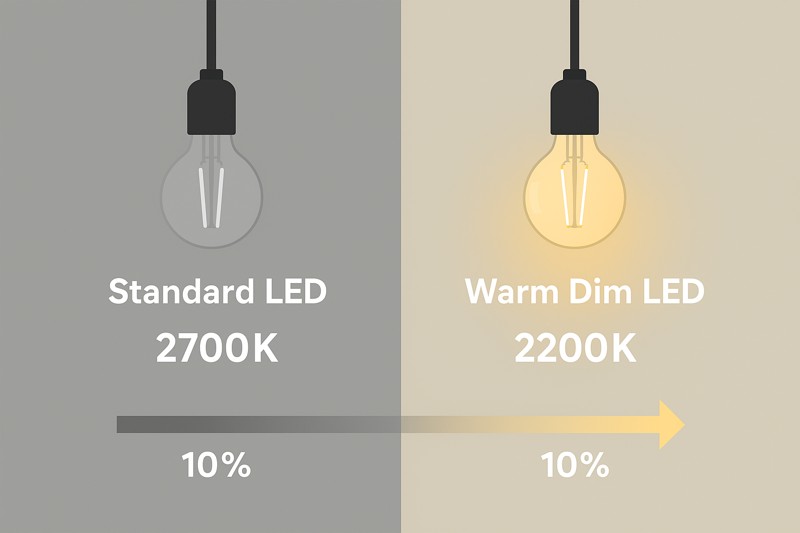
This is a premium feature that solves a major dissatisfaction point for discerning customers. For a century, we've been conditioned by incandescent and halogen bulbs, which naturally become warmer in color as they dim. A fully bright incandescent is about 2700K, but when dimmed to 10%, its glow becomes a very warm, candle-like 2000-2200K. Standard LEDs do not do this. A standard 2700K LED, when dimmed to 10%, is still 2700K—it just becomes a dim, somewhat uninspiring greyish-yellow light. This fails to create the intimate, cozy atmosphere people expect from dimmed lighting. As a premium manufacturer, Hongyu Bulb has invested in Warm Dim (also called Dim-to-Warm) technology. These advanced bulbs have multiple types of LED chips on their circuit boards and a smart driver. As you lower the power from the dimmer switch, the driver intelligently shifts the power from the 2700K LEDs to the 2200K LEDs, smoothly transitioning the color temperature from a functional warm white to a decorative amber glow.
The Business Case for Warm Dim Technology
This is not a standard feature; it is a high-value upgrade7 you can sell for a significant premium.
- The Target Customer: High-end residential clients, luxury hospitality (hotels, restaurants), and anyone wanting to perfectly replicate the dimming performance of halogen bulbs without the energy waste.
- The Technology: It requires more complex drivers and multiple LED channels on the circuit board, which is why it costs more. But the user experience is dramatically better.
- The Sales Pitch: You're selling the perfect mood. You're selling the ability to have one light source act as two: a bright, functional light at full power, and a warm, atmospheric candle-like glow when dimmed.
| Feature | Standard Dimmable LED | Warm Dim LED8 | Customer Benefit |
|---|---|---|---|
| Color at 100% Brightness | 2700K | 2700K | Bright, functional warm light. |
| Color at 10% Brightness | 2700K (looks grey/dull) | ~2200K (cozy amber glow) | Authentic incandescent dimming experience. |
| Best Application | General purpose areas where mood is secondary. | Living rooms, bedrooms, dining rooms, bars. | The ability to transform a room's atmosphere. |
By adding Warm Dim bulbs to your portfolio, you are offering a true problem-solving product that the mass market doesn't have. It positions you as a technology leader and gives your buyers a high-margin product to offer their most valuable customers.
Conclusion
Build your inventory around high-CRI 2700K for mass appeal. Add 2200K with varied filament styles as a specialty item for vintage looks. Stock 3000K for modern designs, and offer premium Warm Dim bulbs to capture the high-end market.
Understanding CRI is essential for selecting lighting that accurately represents colors, enhancing aesthetics in any space. ↩
Exploring CRI 90+ benefits can help you choose lighting that enhances color vibrancy, crucial for high-end applications. ↩
Discover how different glass finishes can transform the ambiance of your space, making your lighting more stylish and effective. ↩
Explore this link to understand various filament styles and their unique visual effects, enhancing your lighting choices. ↩
Explore the advantages of 3000K lighting to enhance your space with a perfect blend of warmth and clarity. ↩
Learn how 4000K lighting can impact the ambiance of your home or office, making it essential for task-oriented environments. ↩
Discover strategies for effectively marketing high-value upgrades, ensuring you maximize your sales potential. ↩
Explore this link to understand how Warm Dim LED technology enhances ambiance and energy efficiency, making it a valuable upgrade. ↩