I often get asked, “Which LED filament bulb should I choose for my clients or my own lighting project?”
Choosing the right LED filament bulb depends on glass type, color temperature, wattage, certifications, and market preference.
Let me walk you through the process I use when advising buyers, contractors, or distributors.
What are the key bulb types for commercial use?
Most wholesale buyers I work with are not looking for just “any bulb.” They need something that fits a specific look and application. Some prefer a retro café style. Others want something more neutral or modern. That’s why understanding shape, size, and base type matters so much.
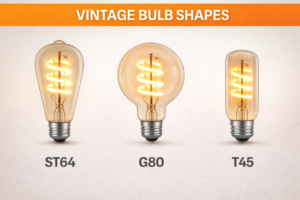
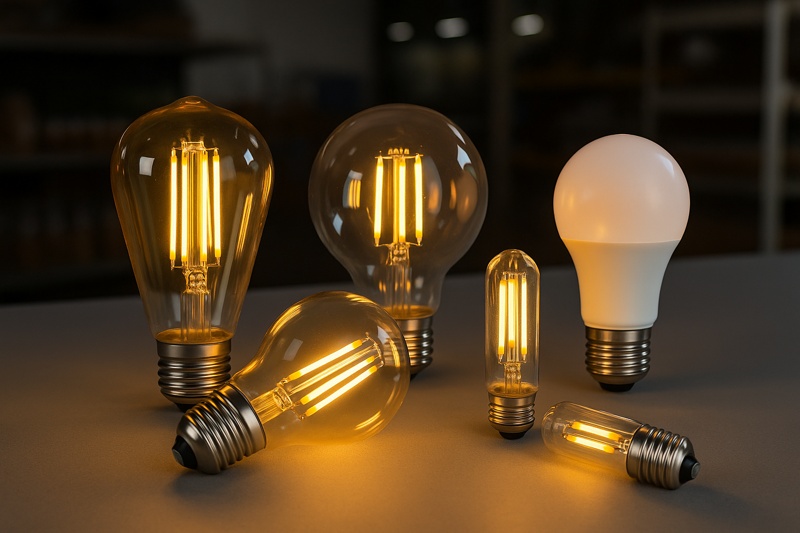
LED filament bulbs come in many forms, including ST64, G95, T45, and A60. Each serves a different commercial purpose.
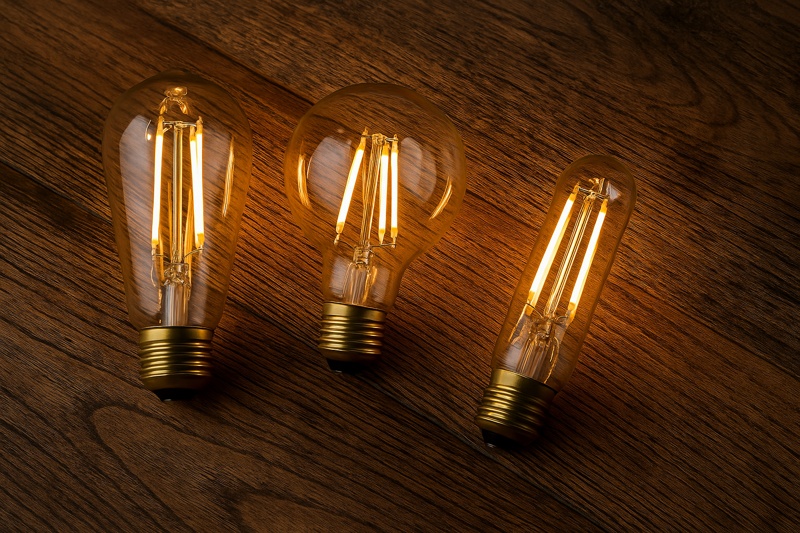
I’ve found that shape choice is the first big decision most B2B customers face. For example, a buyer sourcing lights for a Scandinavian-style restaurant often asks for ST64 with amber glass. Meanwhile, a chain retailer might choose G95 for larger visual impact on their display tables.
Shape Selection Table
| Shape | Look | Size (mm) | Use Case |
|---|---|---|---|
| ST64 | Vintage tear | 64×140 | Cafés, bars, dining spaces |
| G95 | Globe | 95×140 | Hotels, displays, showrooms |
| T45 | Tubular | 45×110 | Pendant bars, vertical lights |
| A60 | Standard | 60×110 | General home or office use |
Also consider the base type. Most buyers I work with prefer E27 or E261, but some regions (like India or the UK) require B222. Always check before placing your order.
How does color temperature affect the atmosphere?
Color temperature has a bigger impact on ambiance than people realize. I’ve made this mistake before—sending 3000K bulbs to a customer who wanted a soft vintage café look. They complained it looked “too cold.”
Choosing 2200K or 2700K gives off a cozy, amber glow. For clean, neutral spaces, 3000K may work better.
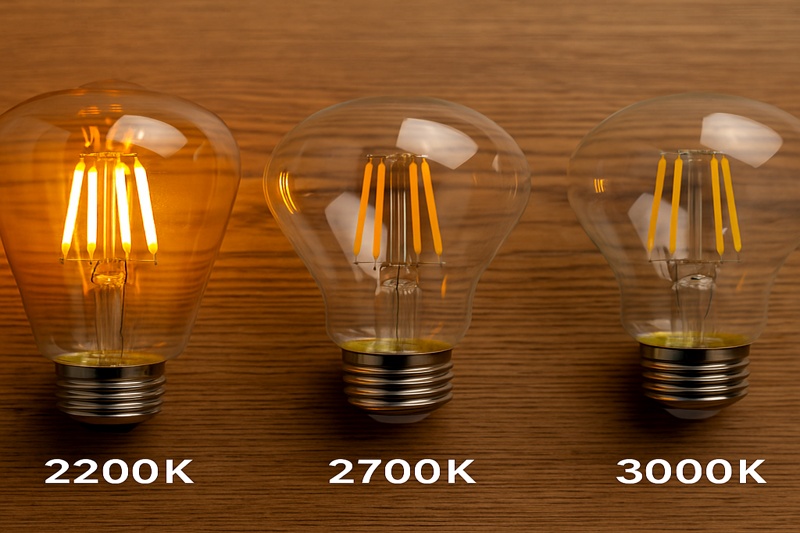
Here’s how I guide buyers through the decision:
Color Temperature Guide
| Temp (K) | Look | Feeling | Suggested Application |
|---|---|---|---|
| 2200K | Amber candle glow | Vintage, relaxing | Bars, antique setups |
| 2700K | Warm white | Cozy, soft light | Restaurants, cafés |
| 3000K | Neutral white | Brighter, modern | Galleries, retail, offices |
In projects with mood lighting3, like boutique hotels or lounges, I always suggest 2200K–2700K. It complements warm interior colors and wood tones. For white-wall environments or functional retail setups, 3000K brings out contrast and clarity.
I’ve learned to always confirm CCT4 before quoting, especially for customized or branded orders.
Why do glass finish and filament layout matter?
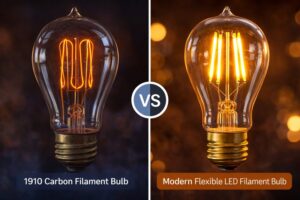
Two LED filament bulbs can have the same wattage and temperature—but look completely different. The glass finish plays a huge role in perceived style. The filament layout—straight, spiral, or cage—also adds to the look.
Clear glass is bright and crisp. Amber is warm and vintage. Frosted offers softness.
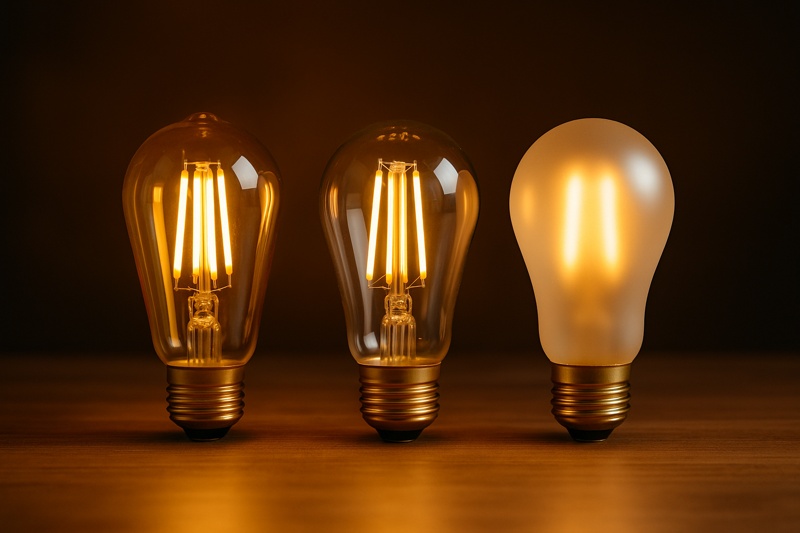
Let me break down the most requested finishes:
Glass Finish Chart
| Finish | Light Effect5 | Popular For |
|---|---|---|
| Amber | Warm, vintage | Retro cafés, bars |
| Clear | Bright, sharp | Hotels, showrooms |
| Frosted | Soft, diffused | Bedrooms, restaurants |
And here are filament patterns6 buyers ask for:
- Straight Filament – Classic, simple, works in most fixtures
- Spiral Filament – Decorative, for designer spaces
- Cage Filament – Industrial or artistic ambiance
If I’m quoting a restaurant chain7, they usually want consistency across all locations. But boutique customers like having variety. Knowing this helps you offer the right combination of look and function.
What technical specs should I check before ordering?
Looks matter—but so do numbers. I always ask my buyers: do you need this bulb to dim? What’s the target CRI? What certifications are required in your country? Missing just one of these can lead to delays or even rejected shipments.
You should always check CRI, power factor, dimmability, certifications, and lifespan.
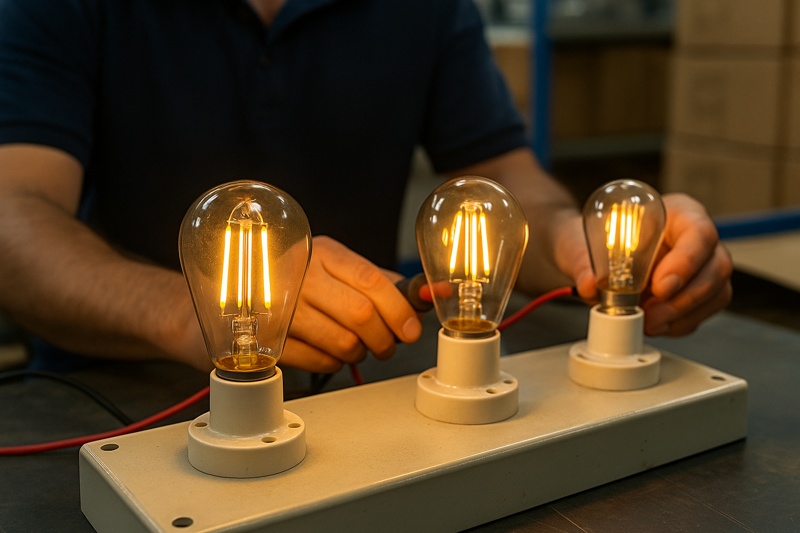
Here are the top specs that influence bulk orders:
Spec Sheet Checklist
| Spec | Ideal Value |
|---|---|
| CRI (Color Index) | ≥ 80 (≥ 90 for displays) |
| Power Factor | ≥ 0.5 (or ≥ 0.9 in EU) |
| Input Voltage | AC 220–240V / 110–130V |
| Dimmable Option | Yes/No—must test sample |
| Certifications | CE, RoHS, UL, FCC |
| Lumen Output | 80–100 lm/W typical |
I always advise testing a few units from production. Some suppliers claim "dimmable," but their bulbs may flicker on TRIAC systems. Asking for real test reports (not just spec sheets) helps avoid costly problems later.
What packaging and branding options do suppliers offer?
Most filament bulb buyers I support want more than just a product—they want a package that speaks to their brand. That could mean color box printing, barcode stickers, inner foam trays, or even custom QR codes.
A professional supplier should offer flexible OEM/ODM options, especially for export clients.
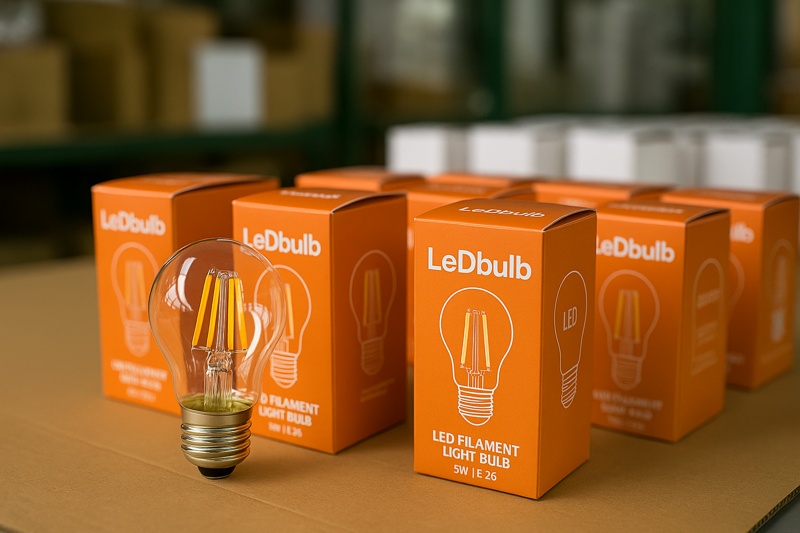
Here's what I usually help clients customize:
Packaging Options
| Item | Option Examples |
|---|---|
| Box Style | Brown box / white box / full-color |
| Logo Printing | On box / on bulb / both |
| Label Info | Wattage, base, CCT, barcode, language |
| Tray Type | Cardboard, foam, blister |
For wholesale or e-commerce, I recommend including:
- English + local language
- Country-specific certifications (like UL or ETL for US)
- SKU code for tracking
Suppliers from China usually have MOQ of 500–1000pcs per model for branding. Good ones also help you design boxes for free. Ask if they can ship DDP or provide FSC-certified boxes if your clients value sustainability.
Where should I source LED filament bulbs?
After testing dozens of vendors, I’ve learned that location matters. Most high-quality LED filament factories are in Zhongshan, Ningbo, or Shenzhen. These regions specialize in filament bulb R&D and export. You get better pricing, more stable timelines, and faster response.
Look for a supplier that offers testing support, stable production, and clear English communication.
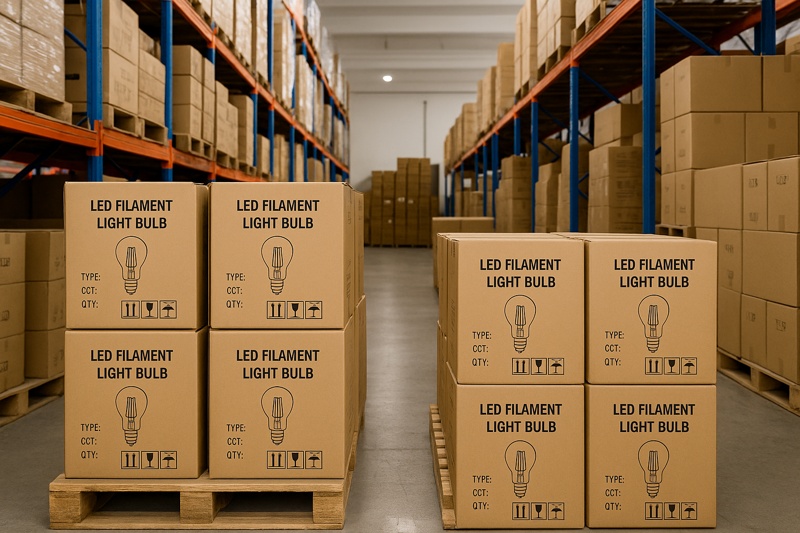
When choosing a supplier, here’s what I always confirm:
Supplier Evaluation Table
| Criteria | What I Look For |
|---|---|
| Experience | 5+ years in LED filament manufacturing |
| Certification Scope | CE, RoHS, UL, ERP if needed |
| OEM/ODM Services | Logo + box + label + spec sheet |
| Sample Policy | 3–5 pcs test batch with real report |
| Production Capacity | 50,000–200,000 pcs/month |
| Lead Time | 15–25 days standard |
| Communication | Fast, clear, willing to give details |
I prefer working with factories that assign a dedicated contact for my account. It saves time and reduces errors. You’ll also want a supplier who offers flexible payment terms and clear DDP or FOB options for overseas orders.
Conclusion
Choosing the right LED filament bulb for wholesale or projects means knowing the specs, the style, and the story behind each option. The more you understand, the better your lighting decisions will be.
Understanding the differences between E27 and E26 bases can help you choose the right light bulbs for your fixtures. ↩
Learn about B22 bases to ensure compatibility with fixtures in regions like India and the UK. ↩
Mood lighting plays a vital role in setting the atmosphere of a space. Check out this resource to see how it can transform environments. ↩
CCT, or Correlated Color Temperature, is crucial for achieving desired lighting effects. Discover its significance in lighting design. ↩
Understanding light effects can help you choose the right glass finish for your space, enhancing ambiance and aesthetics. ↩
Exploring filament patterns can inspire unique lighting designs that suit various styles and preferences. ↩
Learning about lighting choices for restaurant chains can guide you in creating a cohesive atmosphere across multiple locations. ↩