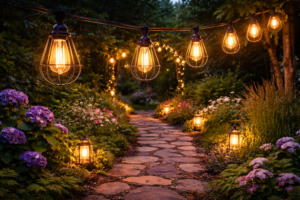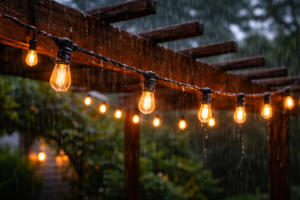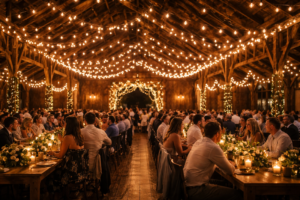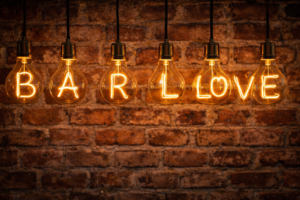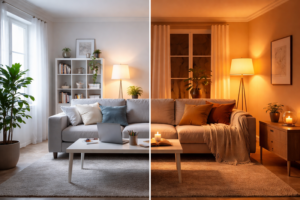
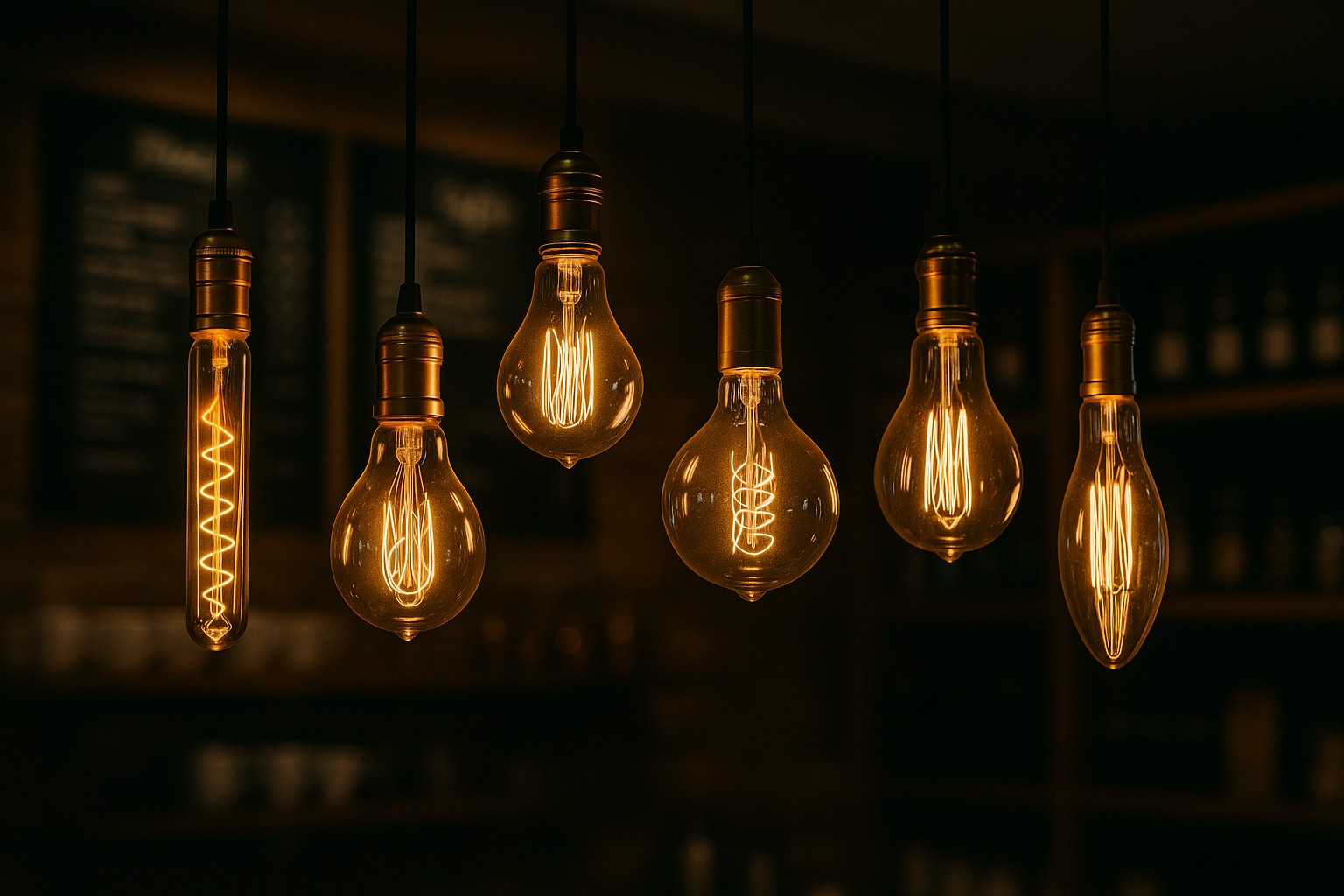
Sometimes customers ask me what makes a light bulb “vintage.” They’ve seen these bulbs in cafés, showrooms, and designer homes, but they’re not sure how to tell vintage apart from regular bulbs. The confusion is common—especially with so many LED options out there that claim to look “retro.” That’s why I’m writing this article.
Vintage bulbs are known for their visible glowing filaments, amber-tinted glass, and classic shapes. But not all bulbs labeled vintage are truly vintage in design or effect.
If you want to impress your customers with the right look and performance, it helps to understand the difference. Let’s break it down clearly.
Why is ‘vintage’ more than just a label?
I’ve seen some products with a “vintage” label that don’t look vintage at all. They use clear glass but hide the filament, or they glow cold white instead of warm amber. That’s not authentic.
True vintage bulbs imitate early 1900s Edison-style designs. They use exposed filaments, tinted glass, and warm light to bring a nostalgic glow.
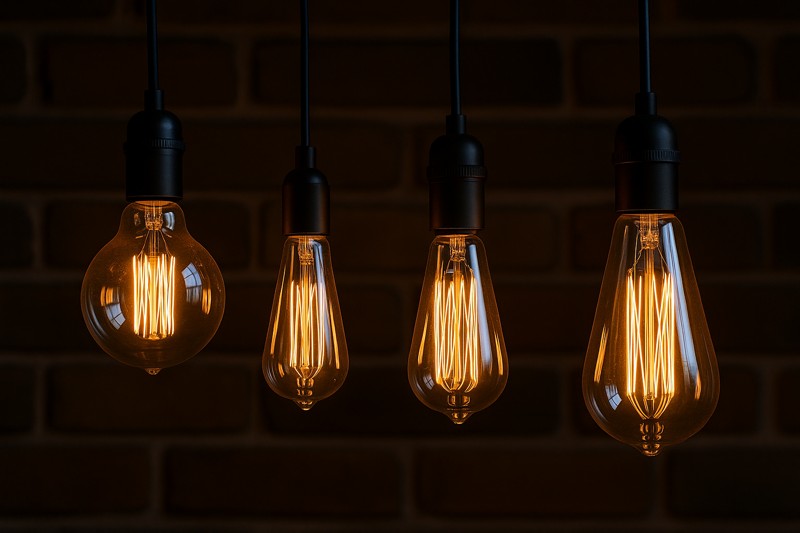
Key Vintage Design Elements
When I help customers select vintage bulbs for cafés or retail shops, I guide them through three main features.
1. Filament Visibility and Shape1
The most obvious sign of a vintage bulb is the filament. In modern LED vintage bulbs, we use LED filaments shaped like coils or rods that mimic tungsten.
2. Glass Tint2
Amber, smoky, or golden glass softens the light. It also helps filter out harsh white tones.
3. Color Temperature
Real vintage glow is always warm—usually 2200K or 2700K.
| Feature | Real Vintage Bulb | Generic Imitation |
|---|---|---|
| Filament Visibility | Clearly exposed filament | Hidden or frosted |
| Color Temperature3 | 2200K–2700K warm amber | 3000K–4000K cool white |
| Glass Style | Amber, smoky, or clear | Mostly clear only |
| Base Type | E26/E27 (standard sockets) | May vary |
If a bulb doesn't meet all three, I wouldn’t call it vintage—at least not for a premium lighting project.
How do LED vintage bulbs compare to old incandescent versions?
When LED filament bulbs first came out, I was skeptical. But now they’ve become far better than the originals—not just in lifespan but also in clarity and stability.
LED vintage bulbs mimic old incandescent style while cutting energy use by over 80%. They also last up to 25 times longer.
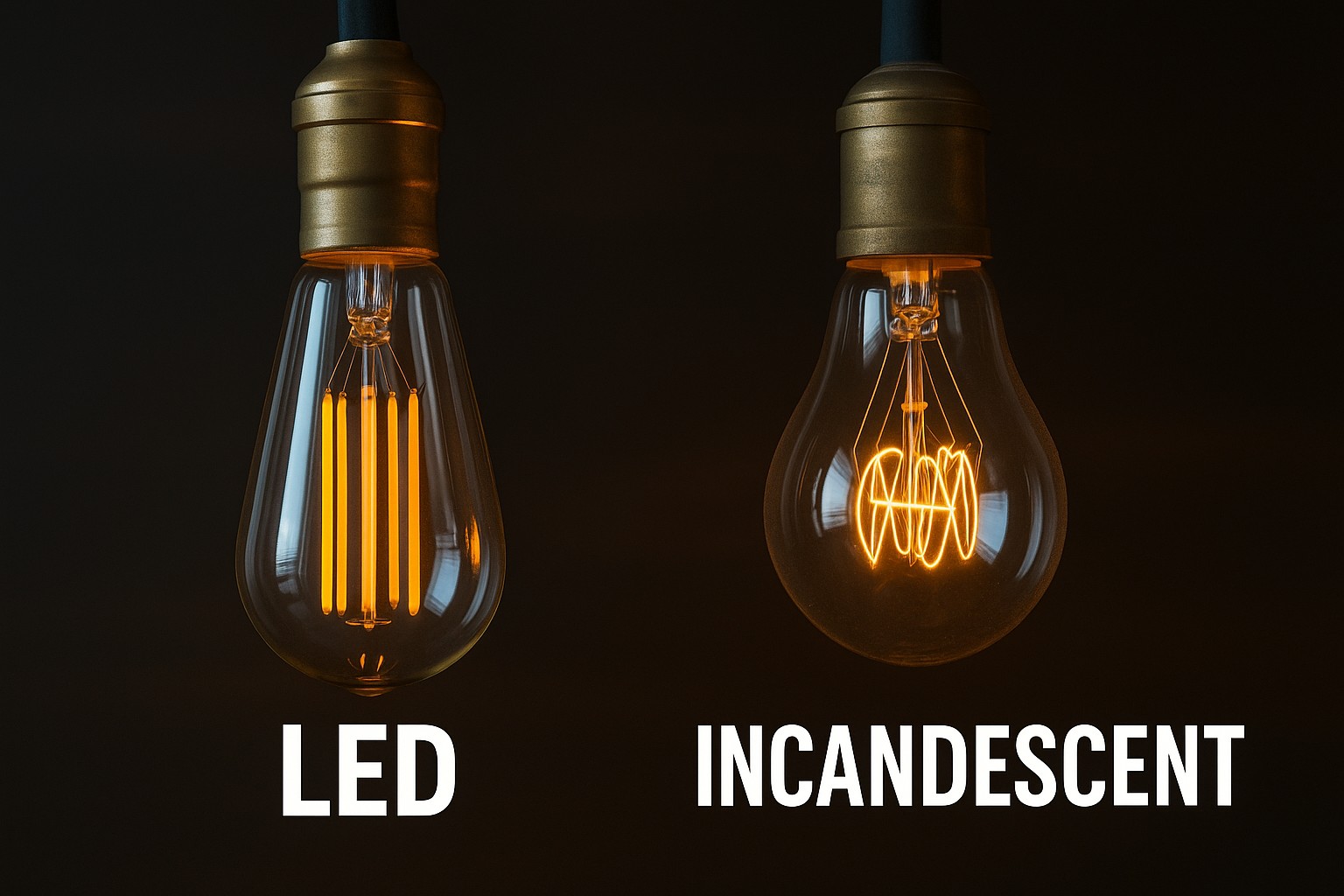
Filament Technology in Detail
The old incandescent bulbs used tungsten wire that glowed hot and burned out fast. Modern LED versions use chip-on-glass filaments. These are cooler, stronger, and last longer.
Performance Differences
Performance Differences
| Feature | Incandescent Bulb | LED Vintage Bulb |
|---|---|---|
| Power Usage4 | 40W–60W | 4W–8W |
| Lifespan5 | 1,000 hrs | 15,000–25,000 hrs |
| Heat Output | High | Low |
| Environmental6 | Not RoHS compliant | CE/RoHS/ErP certified |
| Flicker | Often visible | Flicker-free (Omitaled) |
I always advise clients who run cafés or retail shops to choose LED vintage versions. They can run longer hours and don’t need frequent replacements.
What are the different shapes of vintage bulbs?
Most people think vintage means “one shape,” but in fact, there are many. At Omitaled, we offer a wide range of shapes to match the mood and function.
Shape changes how the bulb looks in the fixture. Larger bulbs like G95 feel more decorative. Smaller types like A60 are better for basic lighting.
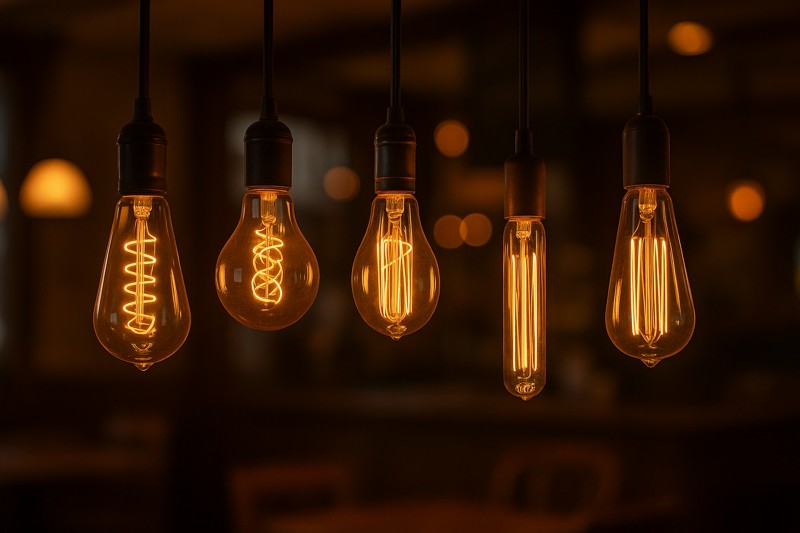
Common Vintage Bulb Shapes
| Model | Shape | Popular Use |
|---|---|---|
| ST64 | Teardrop | Restaurants, bars, pendant use |
| G95 | Globe | Retail display, chandeliers |
| T45 | Tube | Wall sconces, minimal lamps |
| A60 | Standard | General lighting fixtures |
| G125 | Oversized | Statement lighting, hotels |
Each shape also comes in different tints—amber, smoky, or clear—and may support dimming.
When I walk through a lighting project with a designer, I often mix multiple shapes to create a layered look. For example, using both ST64 and G95 in a café ceiling can make the space more dynamic.
What kind of glass finish should you choose?
I’ve seen clients pick the wrong finish for the atmosphere they want. The bulb may be right, but the glass color can change the feel of the whole space.
Amber glass gives a cozy vintage look. Clear glass gives sharper shadows. Smoky glass adds depth and modern flair.
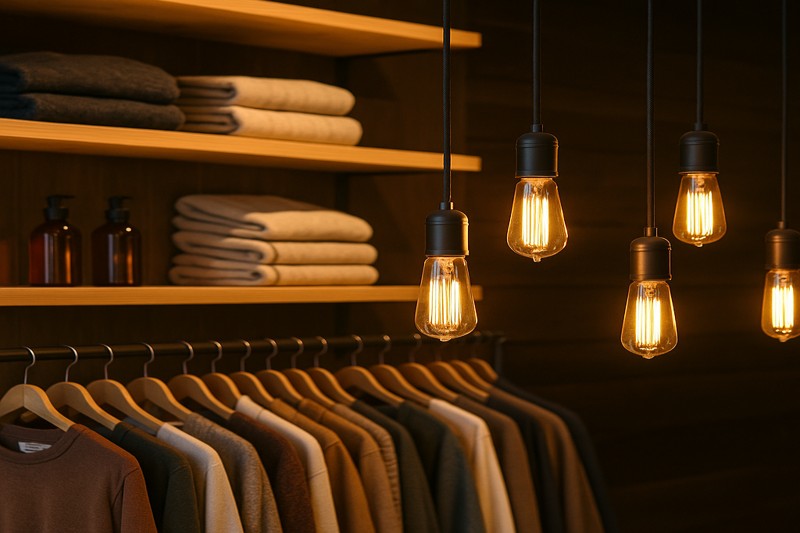
Finish Options and Use Cases
| Glass Finish | Appearance | Ideal for |
|---|---|---|
| Amber | Warm and soft | Coffee shops, restaurants |
| Clear | Bright and vivid | Hotel lobbies, gallery displays |
| Smoky | Stylish and subtle | High-end retail, designer homes |
| Frosted | Diffused glow | Bathroom mirrors, desk lamps |
I always remind wholesalers and contractors to consider this when sourcing. A mismatched finish can ruin the intended mood—even if the shape and CCT are correct.
How to Identify a Real Vintage Bulb at a Glance?
People often ask me how to spot a real vintage bulb without reading every detail. I get it—when you’re standing in a store or reviewing online listings, you don’t have time to study technical specs. So I’ve learned to look for a few quick signals that tell you if the bulb is truly vintage-style or just pretending.
Real vintage bulbs are easy to spot if you focus on filament visibility, glass tone, and light warmth.
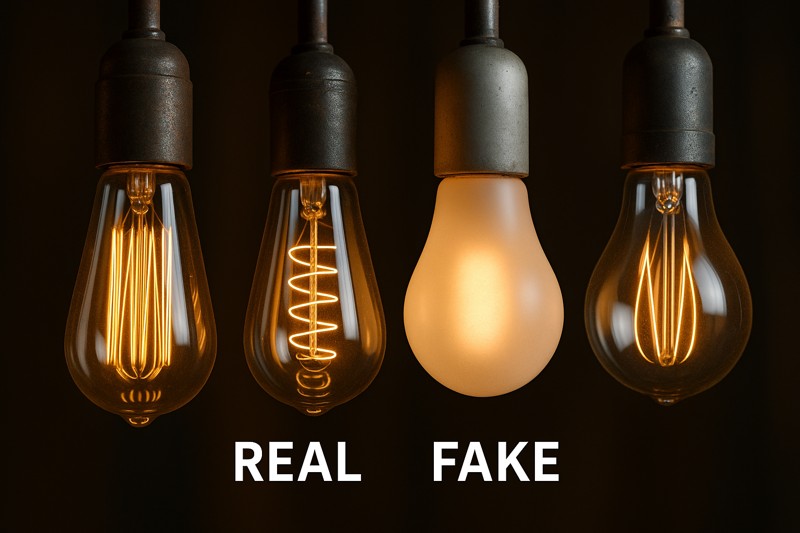
Visual Inspection Guide
1. Look: Filament Structure
Vintage LED bulbs should show their filaments clearly. They’re usually arranged in spiral, straight-line, or cage-like patterns. If the bulb looks frosted or hides the filament, it’s likely not a true vintage style.
2. Glow: Color Temperature
Take note of the light color. Vintage bulbs should emit a warm glow, typically 2200K to 2700K. If the light looks bright white or cold, it doesn’t match vintage aesthetics.
3. Base: Shape and Size
Most vintage bulbs come with standard E26 or E27 bases. But what’s even more telling is the shape—ST64, G95, or T45 shapes are classics.
| Element | True Vintage Bulb | Inauthentic “Vintage” Look |
|---|---|---|
| Filament Type | Spiral or straight visible | Hidden, short, or frosted |
| Light Color | Amber / warm (2200K–2700K) | Cool white (3000K+) |
| Glass Tint | Amber, smoky, clear | No tint or blue-clear |
| Labeling | Often includes “ST64” etc. | Generic or overly decorative |
Why choose Omitaled vintage filament bulbs?
As someone who works closely with lighting brands, I know what matters most: stable quality, fast delivery, and a consistent glow that looks premium.
Omitaled vintage bulbs are tested for light stability, dimming performance, and glass clarity. We support OEM branding and mixed-model orders.
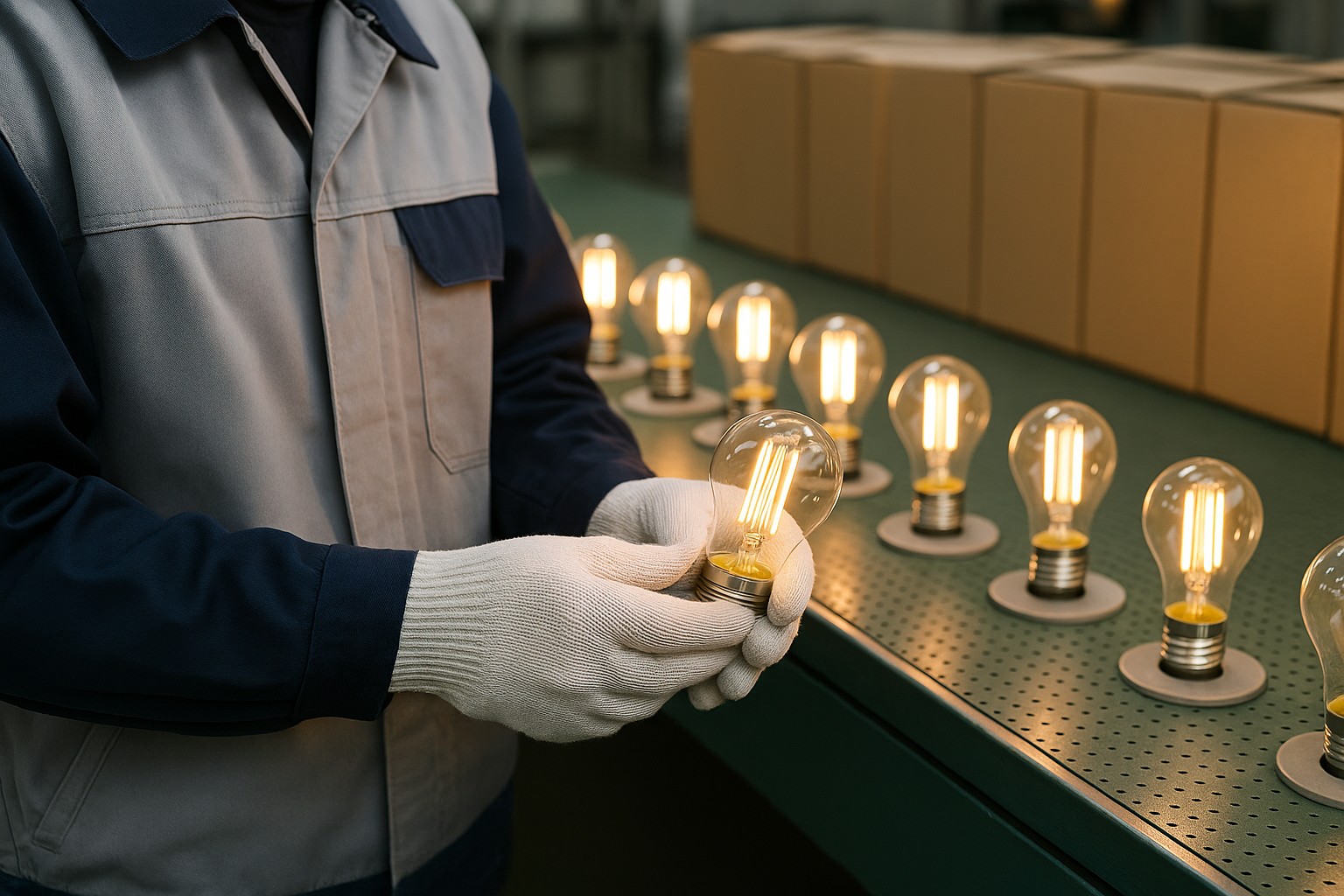
What You Can Expect from Omitaled
| Advantage | Details |
|---|---|
| Quality Control | 100% tested before packing |
| Certification | CE, RoHS, ErP, UL (available) |
| OEM Support | Logo printing, color box design |
| MOQ Flexibility | 500 pcs with mixed shapes and finishes |
| Fast Production | 12–15 days lead time |
We also provide photo and video support to help you with your sales material. You can request custom samples to fit your project or client branding needs.
Conclusion
Vintage light bulbs aren’t just about old-fashioned looks. They’re about recreating warm, welcoming light with modern LED performance. Knowing what makes them truly “vintage” helps you choose the right ones for every space and customer.
Understanding filament visibility and shape is crucial for selecting authentic vintage bulbs that enhance ambiance. ↩
Exploring glass tint options can help you choose bulbs that create the perfect warm atmosphere for your space. ↩
Learning about color temperature ensures you select bulbs that provide the desired warm glow for your environment. ↩
Understanding power usage helps in making energy-efficient choices for lighting, which can save costs in the long run. ↩
Exploring lifespan differences can guide you in selecting bulbs that reduce maintenance and replacement costs. ↩
Learning about environmental certifications can help you choose sustainable lighting options that align with eco-friendly practices. ↩