What Defines a G40 Globe LED Filament Bulb
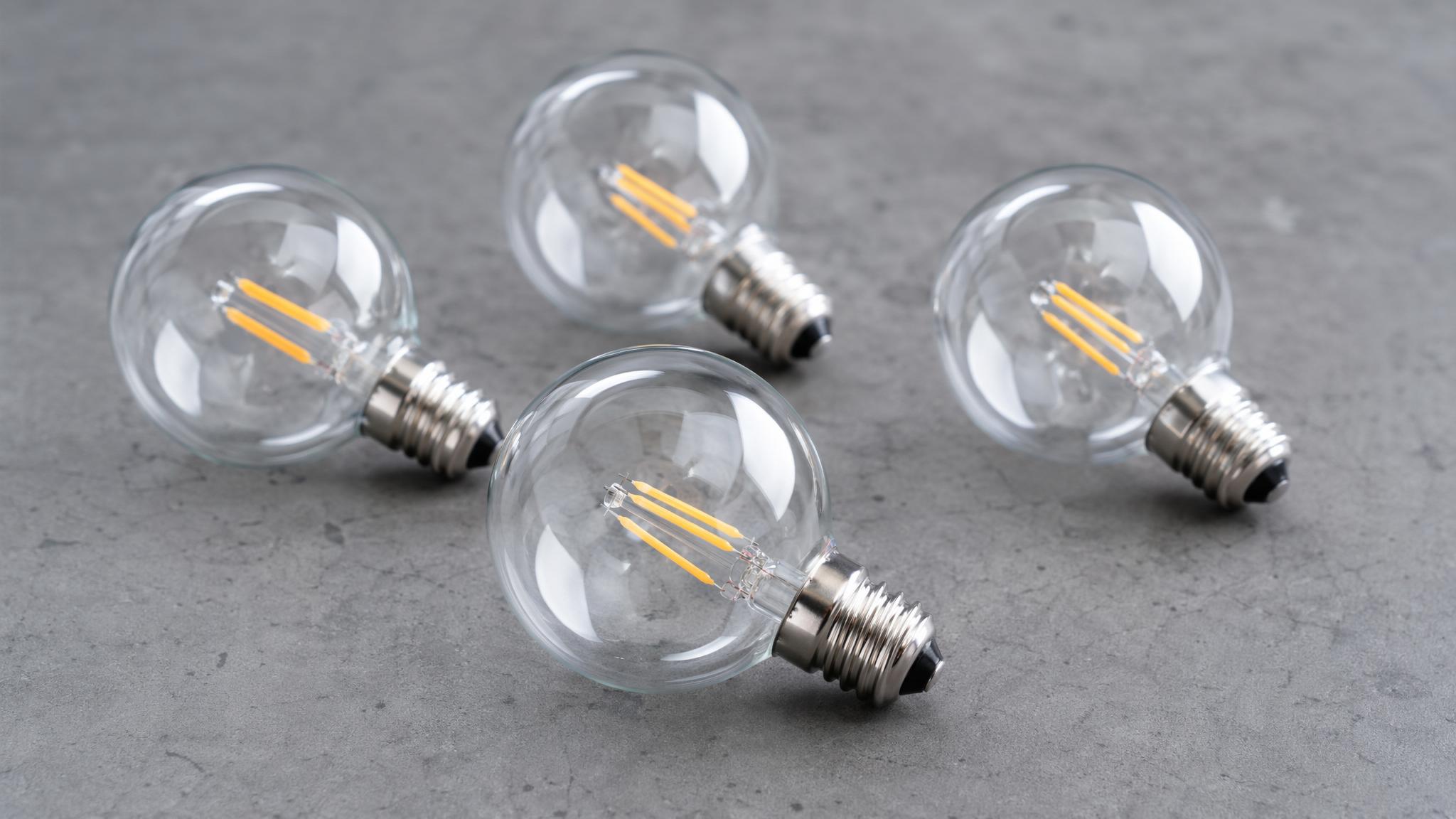
G40 globe LED filament bulbs are widely used in commercial string light systems, patio lighting, event venues, outdoor dining areas, retail façades, and hospitality installations. For B2B buyers, the product looks simple: a small round globe with a visible filament. However, the correct specification depends on diameter, base type, voltage, weather exposure, lumen output, and compatibility with the string light system.
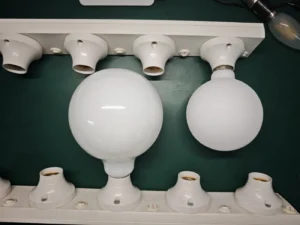
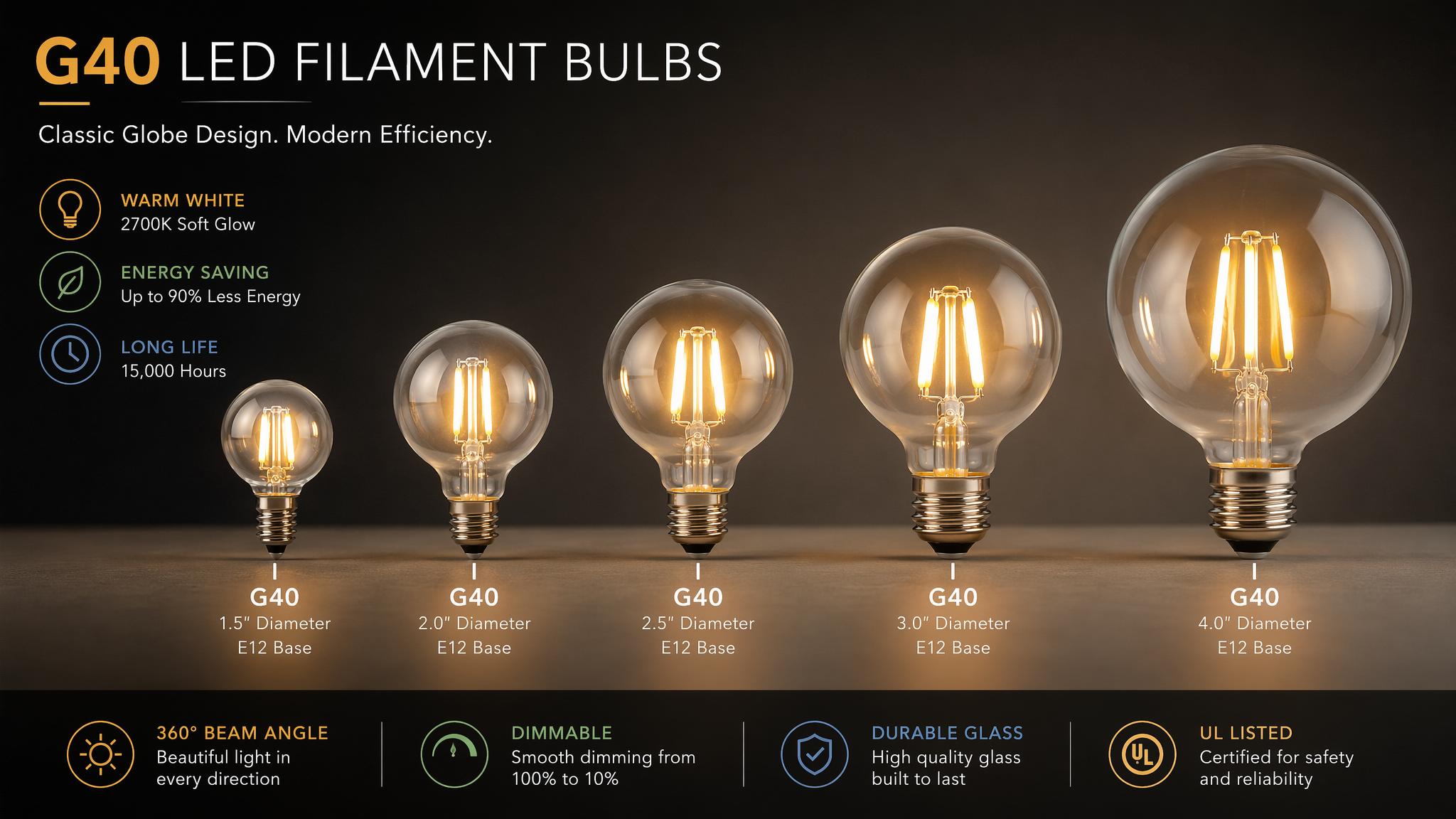
The term G40 generally refers to a globe-shaped bulb with an approximate diameter of 40 mm, though naming can vary by market. G50 is a slightly larger globe format and may be used where a stronger visual presence is required. Buyers should avoid relying only on the “G40” label because some suppliers use regional naming conventions or mix millimeter-based and inch-based references in catalogs.
Most G40 filament bulbs are selected for decorative visibility rather than high-output illumination. In outdoor commercial projects, though, the bulb still needs enough brightness to be useful across a patio, walkway, or event space. For broader guidance on efficient replacement lamps, buyers can also compare supplier claims against ENERGY STAR light bulb criteria. A lamp that looks acceptable in a sample room may appear too dim when installed across a large outdoor area. This is why lumen output, beam appearance, and glass finish should be reviewed together.
For importers and distributors, G40 is often a high-volume seasonal or project-based SKU. It can be profitable when properly specified, but it can also create returns if buyers overlook weather conditions, socket fit, or string-light electrical limits.
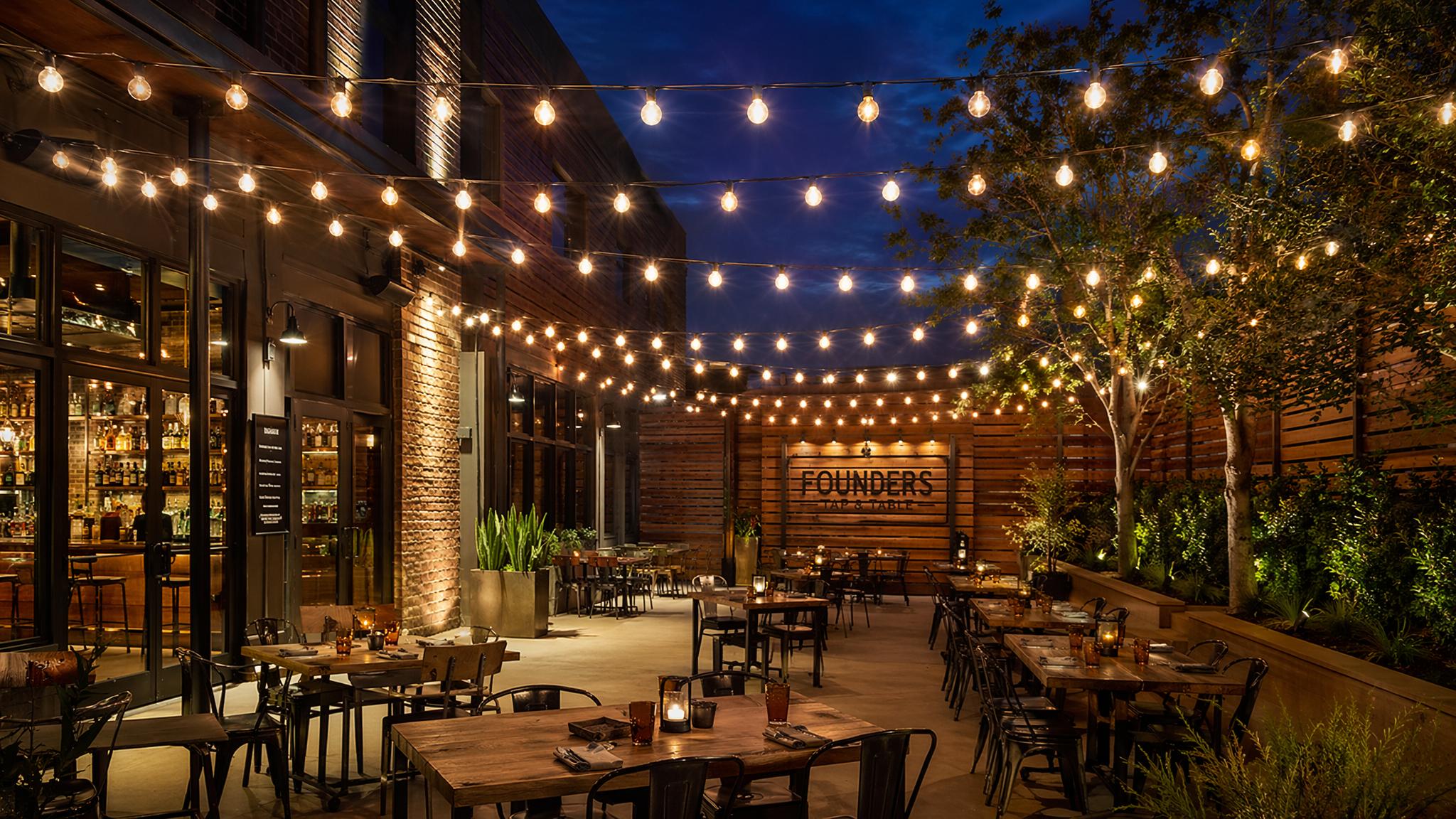
Outdoor and Indoor Use Are Different Sourcing Decisions
Indoor G40 bulbs are commonly used in decorative fixtures, vanity lights, small pendants, and display lighting. Outdoor G40 bulbs are more often used in festoon systems, patio strings, garden venues, restaurants, cafés, hotels, wedding spaces, and retail exterior displays. These environments expose the lamp to temperature changes, moisture, vibration, and repeated installation handling.
A buyer sourcing for indoor decorative lighting may focus mainly on appearance, CCT, CRI, and base type. A buyer sourcing for outdoor hospitality use must also consider water ingress, socket sealing, cable compatibility, operating temperature, and impact during installation. The same globe shape may not be suitable for both channels.
Commercial outdoor applications also create higher expectations for reliability. If a restaurant installs several hundred bulbs across a patio, early failures are visible to customers and expensive for maintenance teams. The buyer should therefore treat outdoor use as a system decision: bulb, socket, cable, dimmer, mounting method, and replacement plan must work together.
In our experience, many G40 complaints happen when a product intended for indoor decorative fixtures is sold into outdoor string light use. The packaging or online listing may show a patio image, but the electrical and environmental rating may not support real commercial exposure. Importers should separate indoor and outdoor SKUs clearly in their catalog and sales materials.
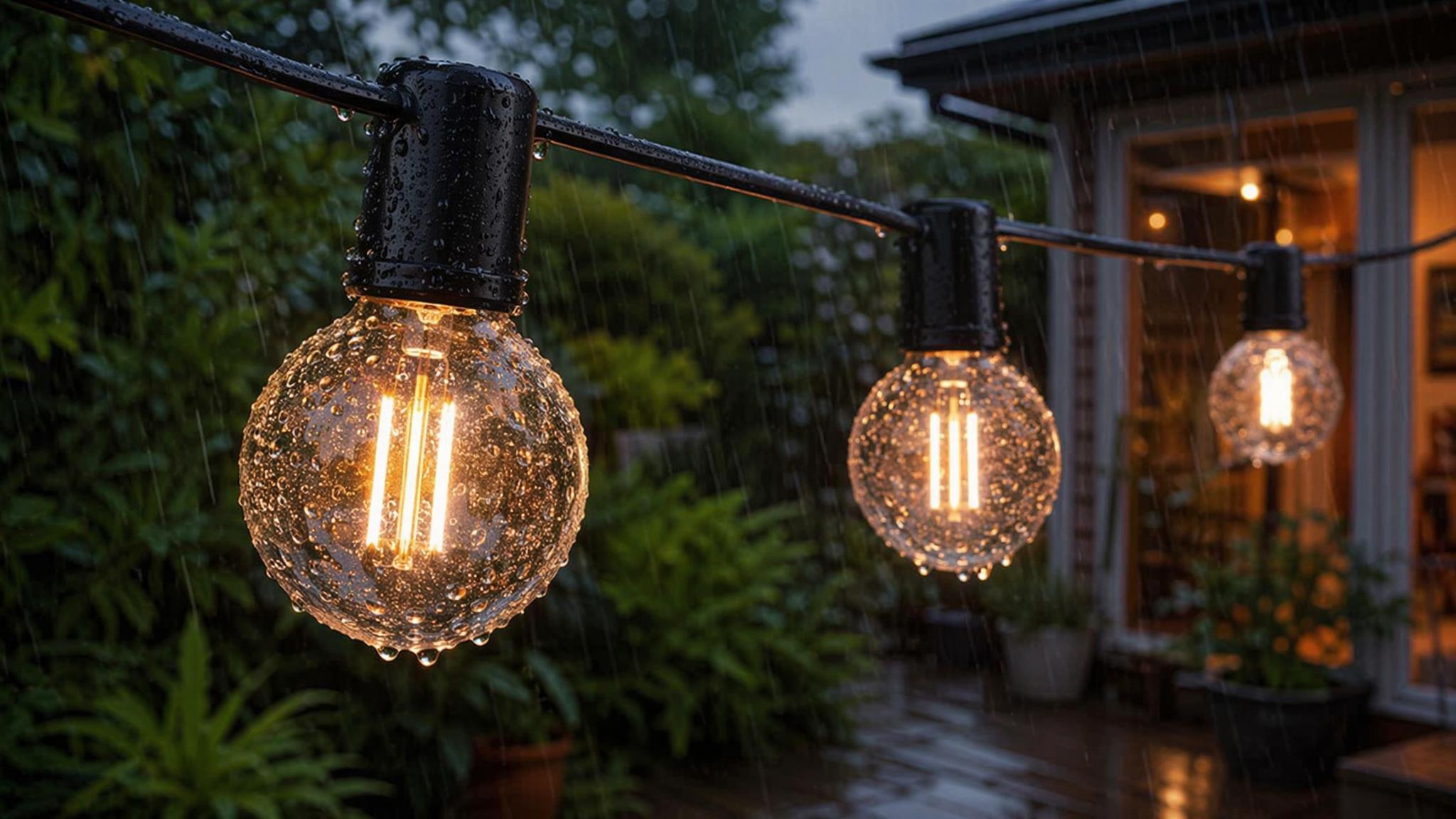
IP Rating, Moisture Protection, and Real-World Weather Exposure
IP rating is one of the first points to check when sourcing G40 bulbs for outdoor use. The rating indicates protection against solids and liquids, but it should be interpreted carefully. A lamp used under a covered patio may face occasional humidity and condensation, while a lamp installed in open-air string lighting may face direct rain, wind-driven moisture, and long-term UV exposure.
For many string light systems, the bulb alone is not the only waterproofing point. The socket design, gasket, cable entry, and installation angle all influence whether water can reach electrical contacts. Even if the lamp has a suitable construction, a poor socket seal can still lead to failures. Buyers should request test information for the complete system whenever possible.
Glass and plastic material choices → also matter. Some G40 bulbs use glass envelopes for a premium look and better clarity, while others use plastic or shatter-resistant materials for outdoor or event applications. Glass may be preferred for hospitality venues where visual quality is important. Plastic may be preferred where breakage risk is higher, such as temporary events, public areas, or rental lighting systems.
Temperature range should also be reviewed. Outdoor commercial installations may operate in cold mornings, hot afternoons, and humid evenings. Driver components should be selected for stable performance under those conditions. For buyers serving multiple regions, it may be necessary to define different SKUs for mild climates, coastal environments, and high-temperature applications.
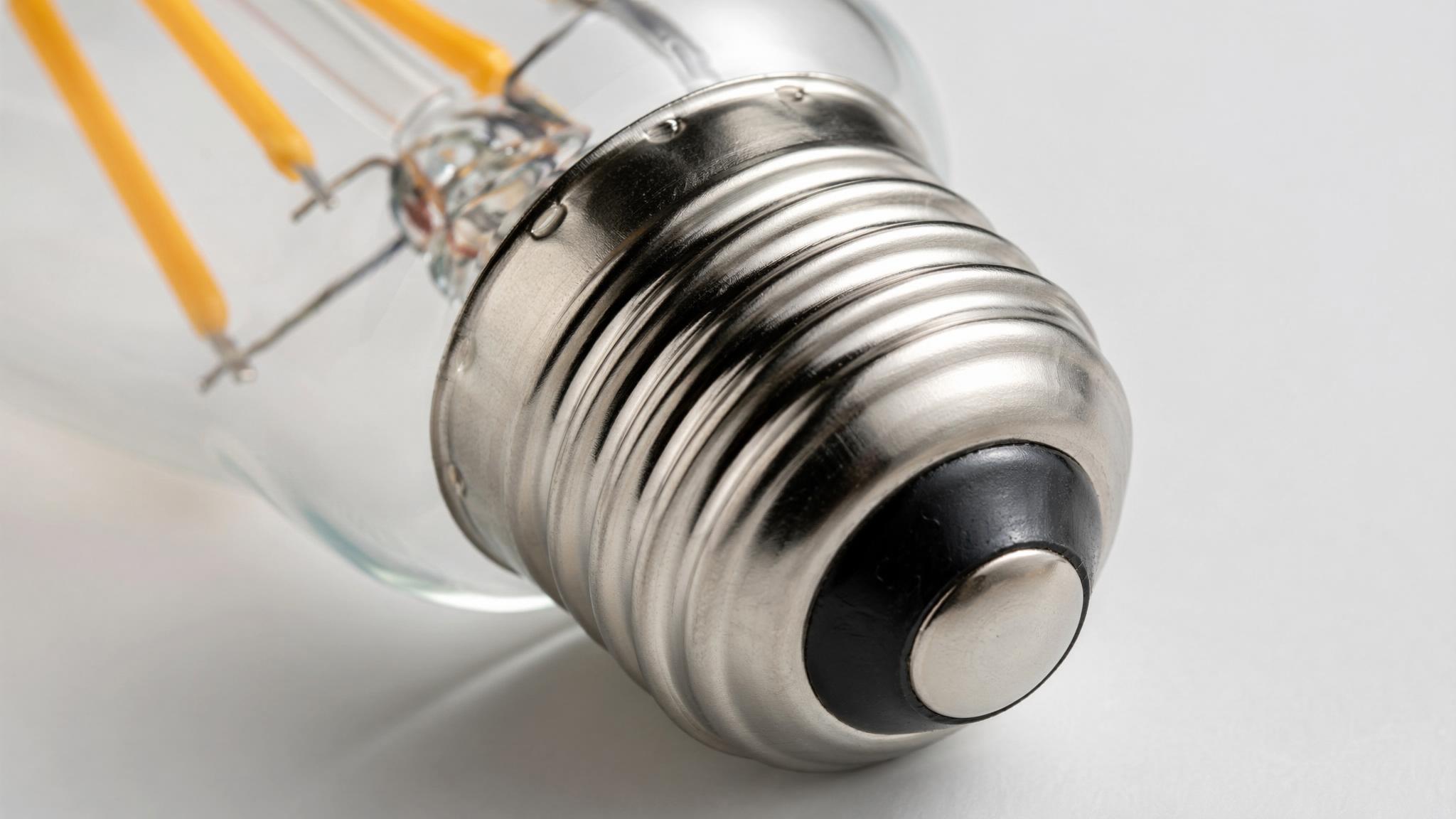
Voltage, Base Type, and String Light Compatibility
G40 globe bulbs are available with several base types, including E12, E17, and E26, depending on the target market and fixture system. E12 is common in smaller decorative strings and North American candelabra-style applications. E17 appears in some intermediate-base systems. E26 is used where larger sockets, higher mechanical strength, or regional standards require it. In other markets, E27 or E14 may be relevant.
Base compatibility must be confirmed physically, not only electrically. The bulb must screw into the socket fully, seal correctly if a gasket is used, and maintain proper contact during outdoor movement. A small difference in neck length or base profile can affect whether the lamp seats properly in a waterproof string socket.
Voltage is equally important. Some string systems are designed for line voltage, such as 120V or 220–240V. Others use low-voltage designs for safety or temporary installation. Buyers must confirm whether the bulb is intended for the system voltage and whether total load remains within the cable and controller rating. LED wattage is lower than incandescent, but large strings can still create meaningful total load.
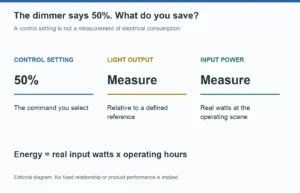
For dimmable string light systems, the buyer should test bulb and dimmer compatibility → as a set. Flicker, limited dimming range, or failure to start at low settings can lead to returns. If a distributor sells both bulbs and string light kits, it should define tested combinations rather than allowing customers to mix unknown components.
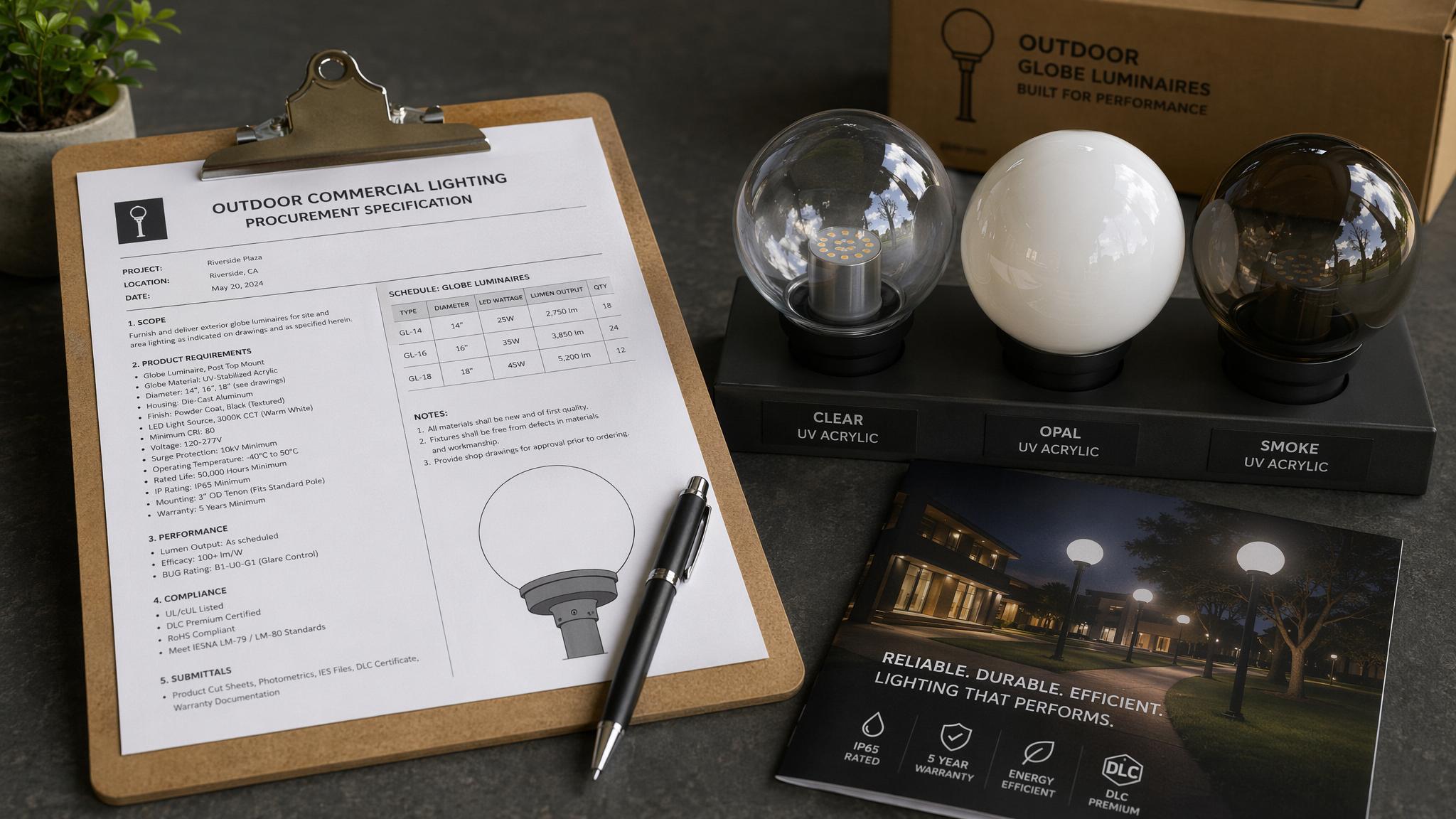
What to Specify for Outdoor Commercial Orders
A clear G40 purchasing specification reduces confusion between buyer, supplier, and end customer. At minimum, the specification should include globe diameter, base type, voltage, wattage, lumen output, CCT, CRI, dimming requirement, material, environmental rating, certification, and packaging method. If the order is for an existing string light system, the socket drawing or sample should be shared with the bulb supplier.
For outdoor hospitality use, warm CCTs such as 2200K and 2700K are often preferred because they create a softer appearance. However, some retail or event venues may choose 3000K for improved visibility. The buyer should define the CCT tolerance →, especially for projects where many bulbs are installed in one visible area. Mixed color temperatures across one string are a common visual complaint.
Lumen output should match the application. A low-lumen decorative bulb may work for ambience in a restaurant patio but may be too weak for event circulation areas. A brighter bulb may improve visibility but create glare if installed at eye level. Buyers should test sample strings at the intended spacing and mounting height instead of judging a single bulb on a desk.
Packaging should be designed for bulk handling. G40 globes are small, but large orders involve many glass or plastic envelopes moving through warehouses, project sites, and installation crews. Inner boxes, dividers, carton drop resistance, and labeling should be reviewed before the first container order. Replacement bulbs should be easy to identify by wattage, CCT, and base type.
FAQ: G40 Globe Bulbs for Commercial Outdoor Use
Can indoor G40 bulbs be used outdoors?
Only if the bulb and fixture system are rated for the intended outdoor environment. Many indoor decorative G40 bulbs are not designed for rain, condensation, or outdoor socket sealing. Buyers should confirm the environmental rating before selling into outdoor applications.
Which base type is best for G40 string lights?
There is no single best base. E12, E17, and E26 are all used depending on the system and market. The correct choice depends on the socket design, voltage, mechanical requirements, and regional standards.
Should commercial G40 bulbs be glass or plastic?
Glass provides strong visual clarity and a premium appearance. Plastic or shatter-resistant versions may be better for event rental, public spaces, or locations where breakage risk is higher. Buyers should match material to the channel and installation risk.
Why do G40 bulbs sometimes fail early in string lights?
Common causes include moisture ingress, poor socket fit, wrong voltage, incompatible dimmers, excessive heat, or weak packaging that damages bulbs before installation. Early failures are often system-related, not only bulb-related.
Related HongYu Bulb product pages
- LED Filament Bulb Product Range → — standard and decorative LED filament bulbs for wholesale and project sourcing.
- ETL, CE & RoHS Certification Guide → — sourcing guidance for certification and import compliance.
- Big Decorative Bulbs → — oversized decorative filament bulbs for hospitality, retail and statement fixtures.
- Contact HongYu Bulb → — send specifications, target market, quantity and packaging requirements for quotation.
Conclusion
G40 globe LED filament bulbs are attractive SKUs for distributors serving hospitality, event, and commercial outdoor channels. They are compact, visually familiar, and often ordered in large quantities. The challenge is that buyers sometimes specify them as simple decorative bulbs when the actual application is a demanding outdoor system.
To reduce returns, buyers should verify the complete use case before ordering: indoor or outdoor, covered or exposed, socket type, voltage, dimming, mounting height, spacing, material preference, and required certifications. Samples should be tested in the actual string light system, including gasket fit and dimming behavior where relevant.
When the specification is clear, G40 and G50 globe bulbs can become dependable repeat-order products instead of seasonal complaint risks. Before committing to a container order, buyers should send the supplier the actual string-light system, confirm indoor or outdoor exposure, approve socket fit, test dimming if required, and define replacement packaging by base, wattage, and CCT. That preparation turns the globe bulb from a generic commodity into a controlled commercial SKU that sales teams can recommend with confidence.