What PS Shape Means in Decorative LED Filament Bulbs
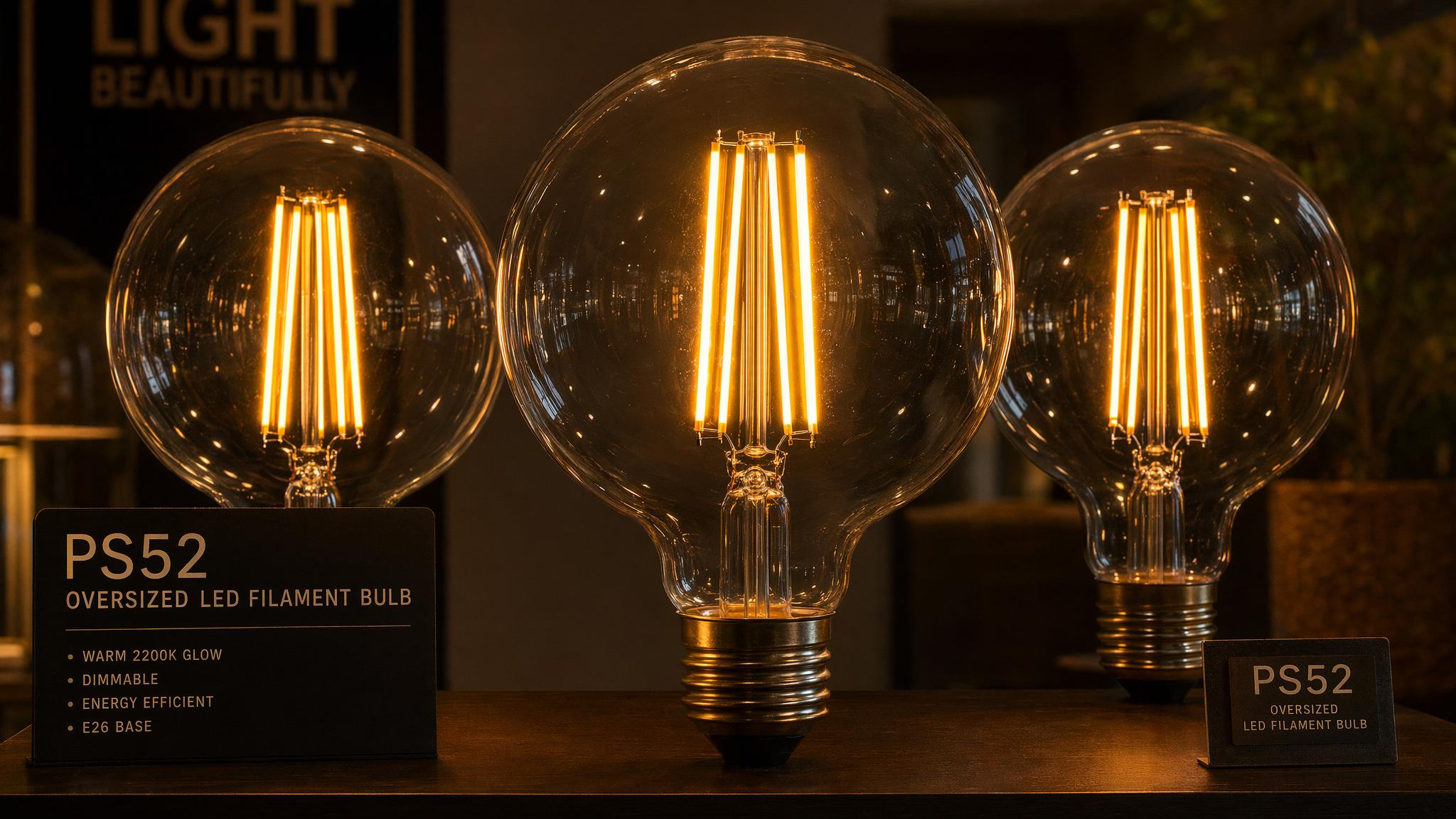
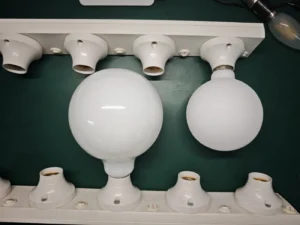
PS LED filament bulbs are oversized decorative lamps with a pear or squash-like profile. Common sizes include PS52 and PS60, though suppliers may use slightly different naming depending on diameter, height, and market convention. These bulbs are selected for visual impact in large pendant fixtures, boutique hotels, restaurants, retail showrooms, and decorative lighting collections where a standard A60 or ST64 bulb → does not provide enough scale.
For B2B buyers, PS bulbs should not be treated as simply larger versions of standard filament lamps. The glass envelope is larger, the visual expectation is higher, the fixture compatibility is more specific, and the thermal behavior can be different. A successful PS SKU requires careful control of dimensions, filament arrangement, driver performance, packaging, and application fit.
The appeal of PS bulbs is clear: they fill larger shades and open pendants with a premium decorative look. The risk is also clear: because the bulb is physically larger and more visible, small inconsistencies become more noticeable. Filament alignment, glass clarity, color temperature →, base finish, and surface defects are easier to see than on smaller bulbs.
Importers and lighting brands often use PS bulbs to create higher-margin decorative lines. To protect that margin, the sourcing decision should be based on more than a catalog image and wattage.
Common PS Sizes and Fixture Applications
PS52 and PS60 are common oversized decorative options. The number typically relates to the approximate bulb diameter in millimeters, although exact measurements should always be confirmed with a technical drawing. Total length can vary by supplier, and that variation may affect whether the bulb fits inside a pendant, cage, globe, or shade.
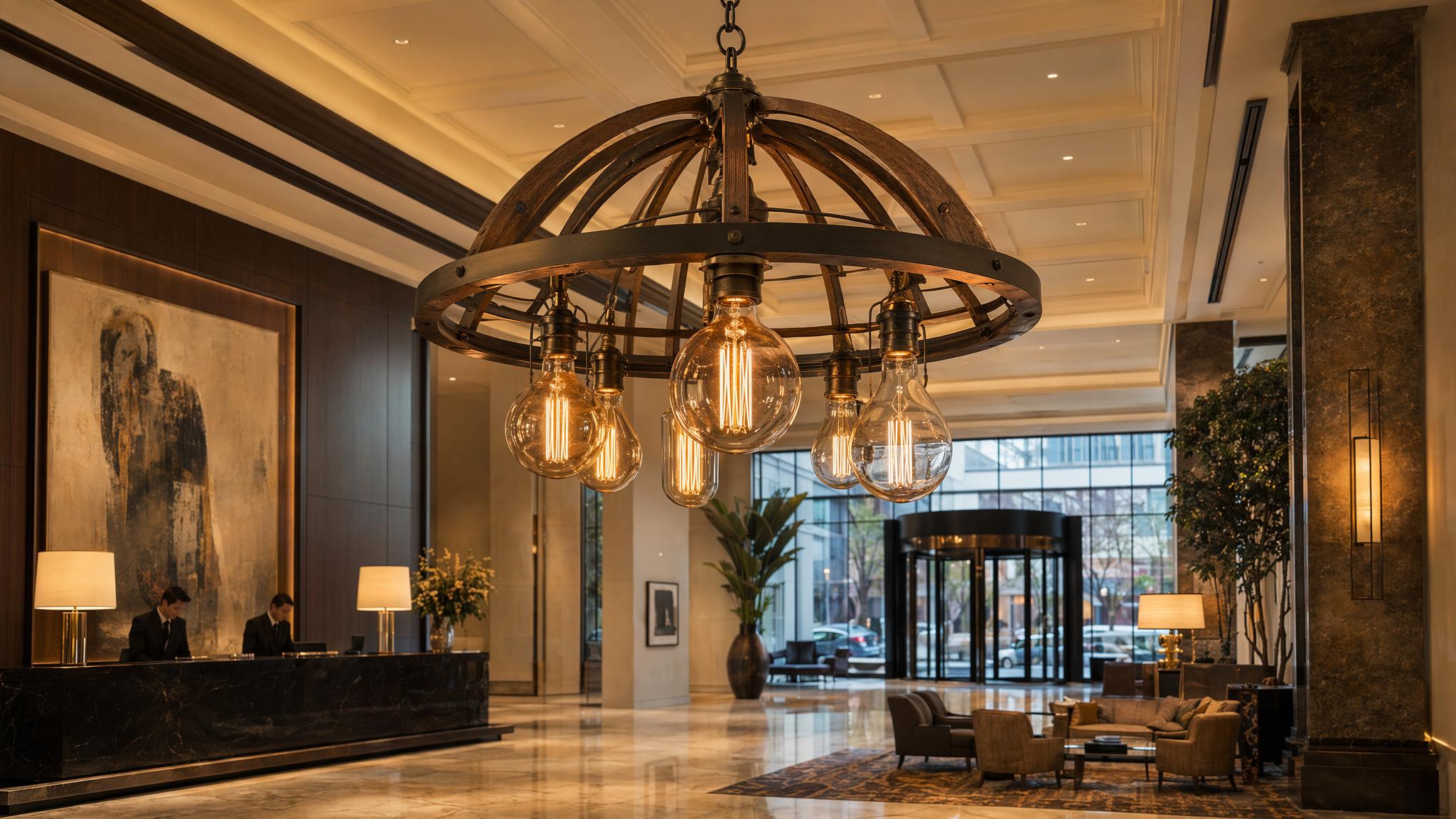
Typical applications include large single pendants, multi-lamp chandeliers, hospitality feature lighting, boutique retail displays, restaurant dining areas, hotel lobbies, and vintage-style decorative fixtures. These settings often place the bulb directly in view, which means the lamp functions as both a light source and a visible design element.
Compared with A60 bulbs, PS bulbs usually need more space around the glass. Compared with ST64 bulbs, they provide a wider and softer visual volume. This makes them useful for fixtures where a narrow Edison shape looks too small or too linear. However, the larger envelope may conflict with small shades, shallow sockets, or protective cages designed around standard bulbs.
Before placing an order, buyers should test the PS sample in the actual fixture or a fixture drawing. The base may fit, but the glass may touch the shade, sit too low, or create an unwanted visual proportion. For fixture manufacturers, the lamp and luminaire should be developed together rather than separately.
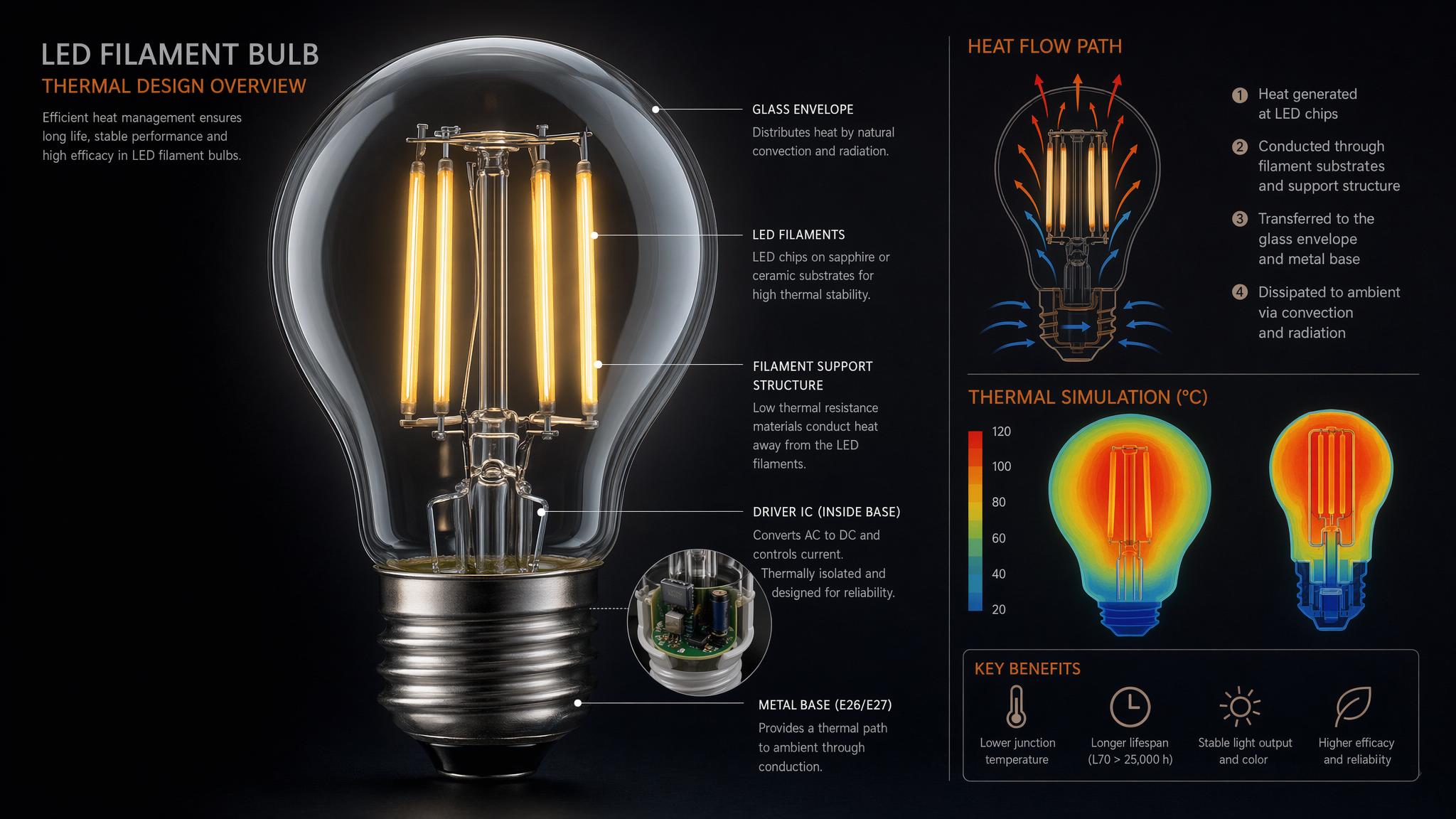
Why Thermal Management Is More Complex in Large Glass Envelopes
Large glass envelopes create a different thermal environment from smaller decorative bulbs. The additional internal volume can help distribute heat, but the bulb may also use more LED filaments, higher wattage, or a driver design that generates more heat. The final thermal result depends on the complete construction, not only the size of the glass.
Heat affects LED filament life, driver life, lumen maintenance, and color stability. In decorative PS bulbs, the driver is often located in or near the base, where heat can accumulate when the lamp is installed base-up, inside a shade, or near other bulbs. If the lamp is used in a large enclosed or semi-enclosed fixture, the risk increases.
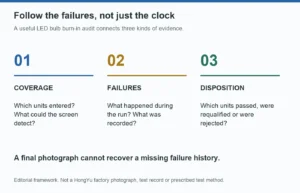
Buyers should ask whether the bulb is rated for enclosed fixtures or only for open fixtures. They should also test surface temperature and base temperature in representative installations. A bulb that performs well in open air may not perform the same inside a glass pendant or decorative cover. Thermal testing should be part of sample approval for large-format decorative bulbs. General solid-state lighting guidance is useful when comparing LED performance claims beyond shape and wattage..
In our experience, some buyers assume that a bigger glass bulb automatically runs cooler. That is not always true. If the product uses more filaments and higher output, or if the fixture traps heat around the base, the driver may still operate under stress. For commercial projects, this can reduce service life and increase maintenance costs.
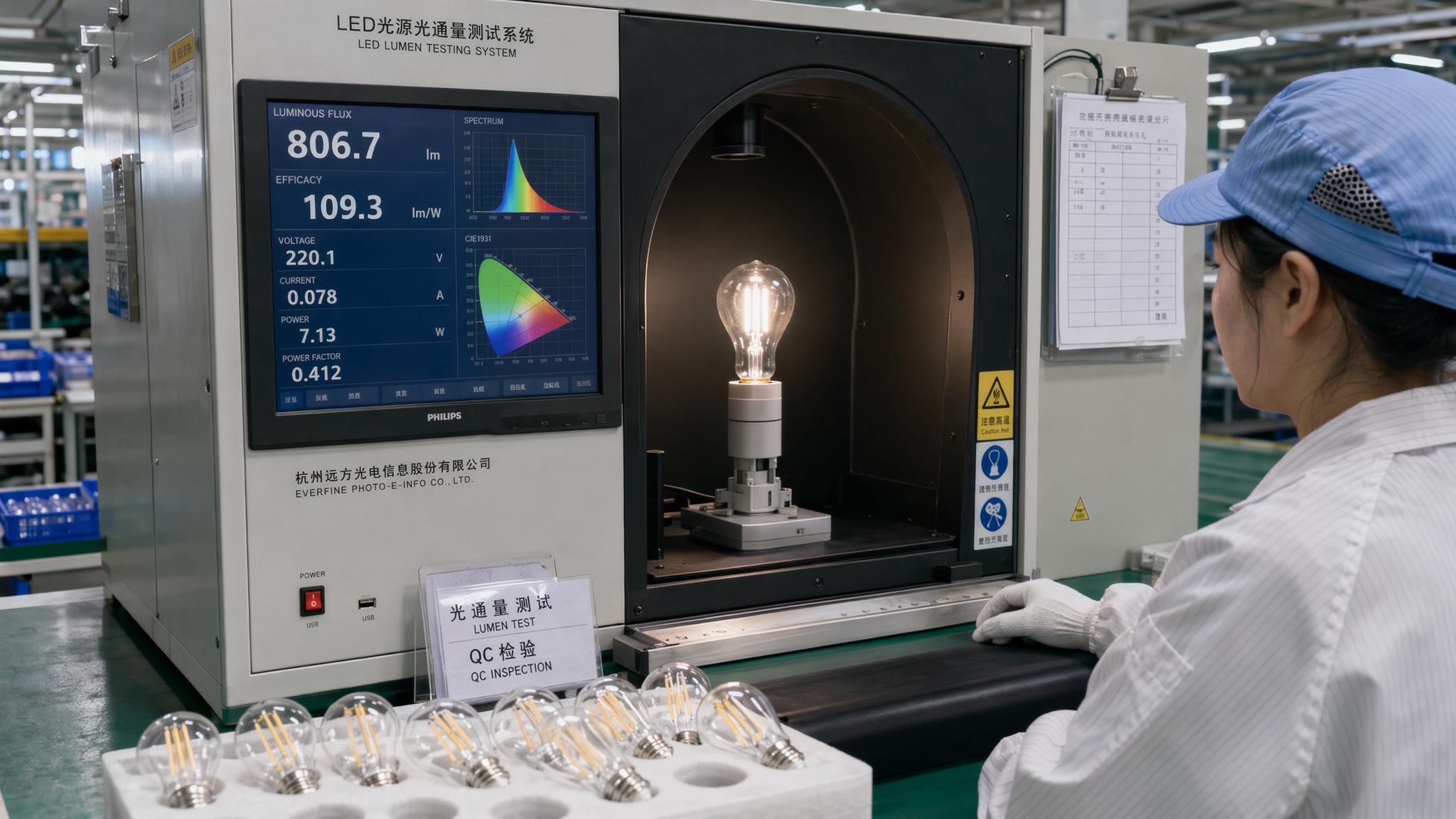 lumen output comparison for oversized PS decorative LED filament bulbs" />
Wattage, Lumen Output, and Visual Expectations
PS bulbs are often purchased for appearance as much as illumination. Buyers may choose warm color temperatures, amber glass, and visible filament structures to create a premium decorative effect. At the same time, commercial users still expect the lamp to provide a practical level of light for the application.
Wattage alone is not enough to define performance. A 5W PS bulb with amber glass and low-lumen filaments may be suitable for mood lighting in a restaurant. A 7W or 8W clear-glass version may be better for a retail pendant where merchandise visibility matters. Buyers should define lumen output and visual brightness together with glass finish → and CCT.
Large bulbs can also create glare if the filament is too bright or positioned at eye level. This is especially relevant in dining areas, bars, and hotel lounges. A higher lumen rating may look attractive on a specification sheet but feel uncomfortable in use. Sample testing should include viewing distance, mounting height, and dimming behavior if the product is used in ambience-focused spaces.
For stocking decisions, distributors may benefit from carrying two PS variants: a lower-lumen warm decorative version for hospitality ambience and a brighter clear or neutral-warm version for general decorative pendants. The catalog should explain the application difference so customers do not choose only by shape.
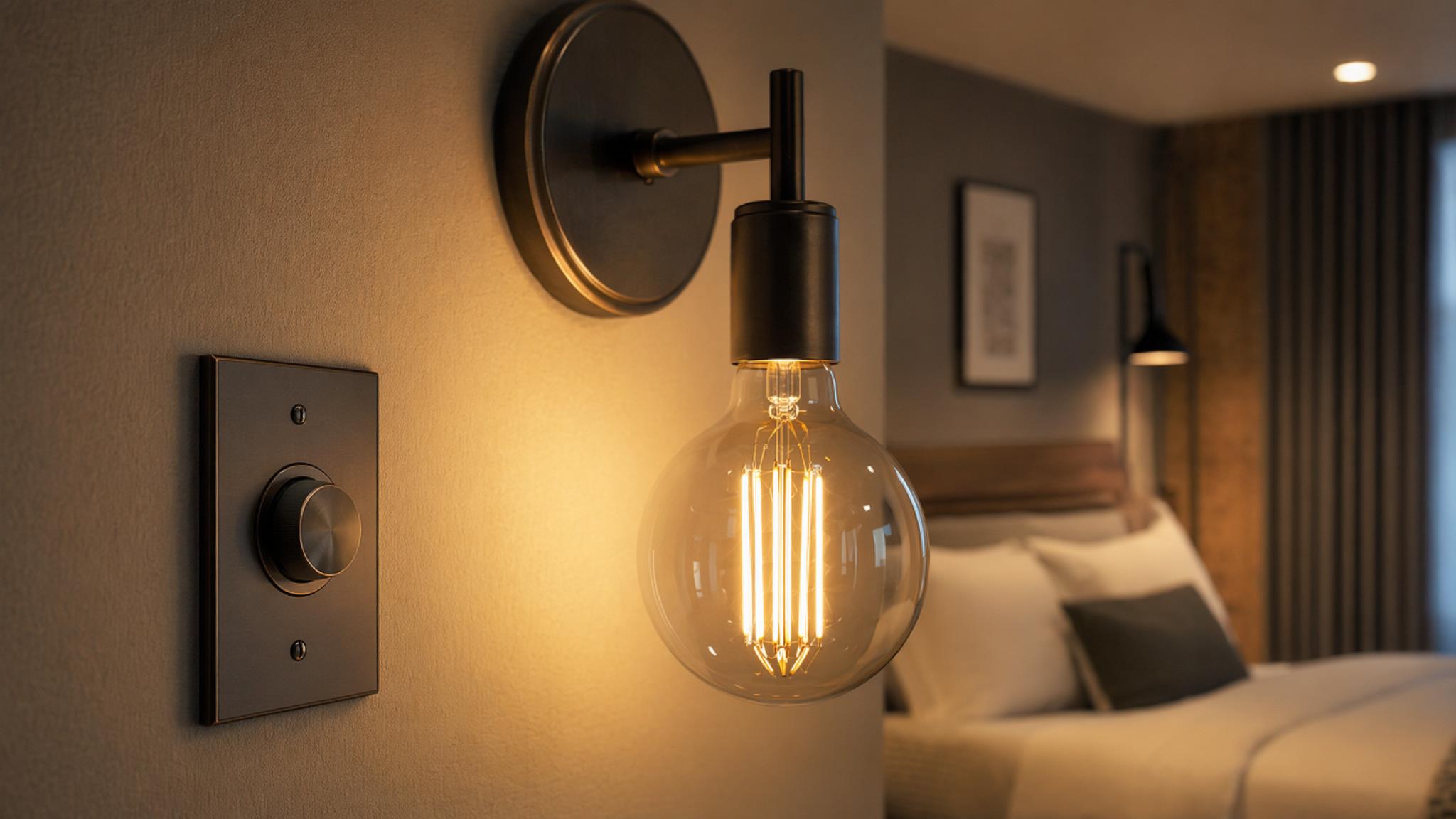
Dimming Behavior and Electrical Compatibility
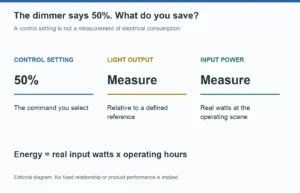
Dimming is important for PS bulbs because many of their applications are hospitality or premium retail environments. Large pendants in restaurants, bars, lounges, and hotels are often connected to dimming controls. If the bulb flickers, buzzes, or has an uneven dimming curve, the issue is highly visible because the lamp itself is part of the design.
Oversized decorative bulbs may use different filament counts and driver designs than smaller bulbs. This can change the minimum load, dimming range, and compatibility with common dimmer models. A dimmer that works well with A60 bulbs may not perform the same with PS bulbs, especially when several large-format lamps are connected on one circuit.
Buyers should confirm whether the product is non-dimmable or dimmable, and if dimmable, which dimmer types have been tested. For North American markets, phase-cut dimmer compatibility should be reviewed carefully. For European and international projects, buyers should consider trailing-edge dimmers, control systems, and minimum load behavior.
A good PS dimming specification should define acceptable flicker, audible noise, low-end stability, restart behavior, and dimming range. If the bulb is intended for professional projects, the supplier should provide test data or support sample testing with representative dimmers.
FAQ: PS LED Filament Bulbs
Are PS52 and PS60 bulbs interchangeable?
Not automatically. They may use similar bases, but diameter, total length, glass profile, and visual scale can differ. Buyers should check fixture clearance and product drawings before substituting one size for another.
Can PS bulbs replace standard A60 bulbs?
Only in fixtures with enough physical space and suitable thermal conditions. PS bulbs are larger and may not fit shades or cages designed around A60 lamps. They also may have different lumen output and dimming behavior.
What base types are common for PS bulbs?
E26 and E27 are common for large decorative PS bulbs, depending on market. Some specialty versions may use other bases, but buyers should confirm mechanical fit, cap finish, and socket depth for the intended fixture.
Should PS bulbs be stocked in amber or clear glass?
Both can be useful. Amber glass supports warm decorative hospitality applications, while clear glass may suit retail and brighter decorative fixtures. The best stocking choice depends on customer channel and desired price position.
Related HongYu Bulb product pages
- LED Filament Bulb Product Range → — standard and decorative LED filament bulbs for wholesale and project sourcing.
- Custom Color Bulbs → — custom glass color, coating and printed finish options for private-label collections.
- Custom Logo Bulbs → — printed branding and private-label decorative bulb options.
- Big Decorative Bulbs → — oversized decorative filament bulbs for hospitality, retail and statement fixtures.
- Contact HongYu Bulb → — send specifications, target market, quantity and packaging requirements for quotation.
Conclusion
Before stocking PS LED filament bulbs, buyers should verify dimensions, base type, voltage, wattage, lumen output, CCT, CRI, glass finish, filament arrangement, dimming performance →, thermal rating, and packaging. Because the bulbs are larger and more visible, cosmetic standards should be stricter than for basic replacement lamps.
Packaging deserves special attention. Oversized glass envelopes are more vulnerable to damage if inner supports are weak or if cartons are not designed for long-distance shipping. Buyers should review drop-test performance, inner box structure, carton labeling, and pallet arrangement. A premium decorative SKU should not arrive with high breakage rates or inconsistent presentation.
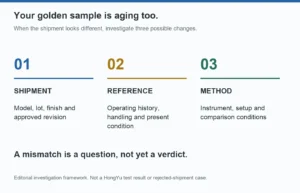
It is also important to verify future supply stability. PS bulbs are often used in lighting collections, and customers may need replacements after the original installation. If the bulb has a custom glass tint, filament design, or private-label package, the distributor should confirm repeat-order availability and keep reference samples.
PS LED filament bulbs can be valuable products for buyers serving hospitality, boutique retail, and decorative fixture markets, but they should be purchased like large-format visual components rather than generic bulbs. Before adding them to stock, approve the fixture fit, thermal behavior, glass appearance, filament alignment, dimming curve, and packaging structure with real samples. A focused sourcing brief—target application, required size, finish, lumen range, dimmer environment, and replacement plan—will help the supplier quote the right construction and help your team avoid oversized decorative SKUs that look good in photos but fail in projects.