What Defines Multi-Filament and Squirrel Cage LED Bulbs
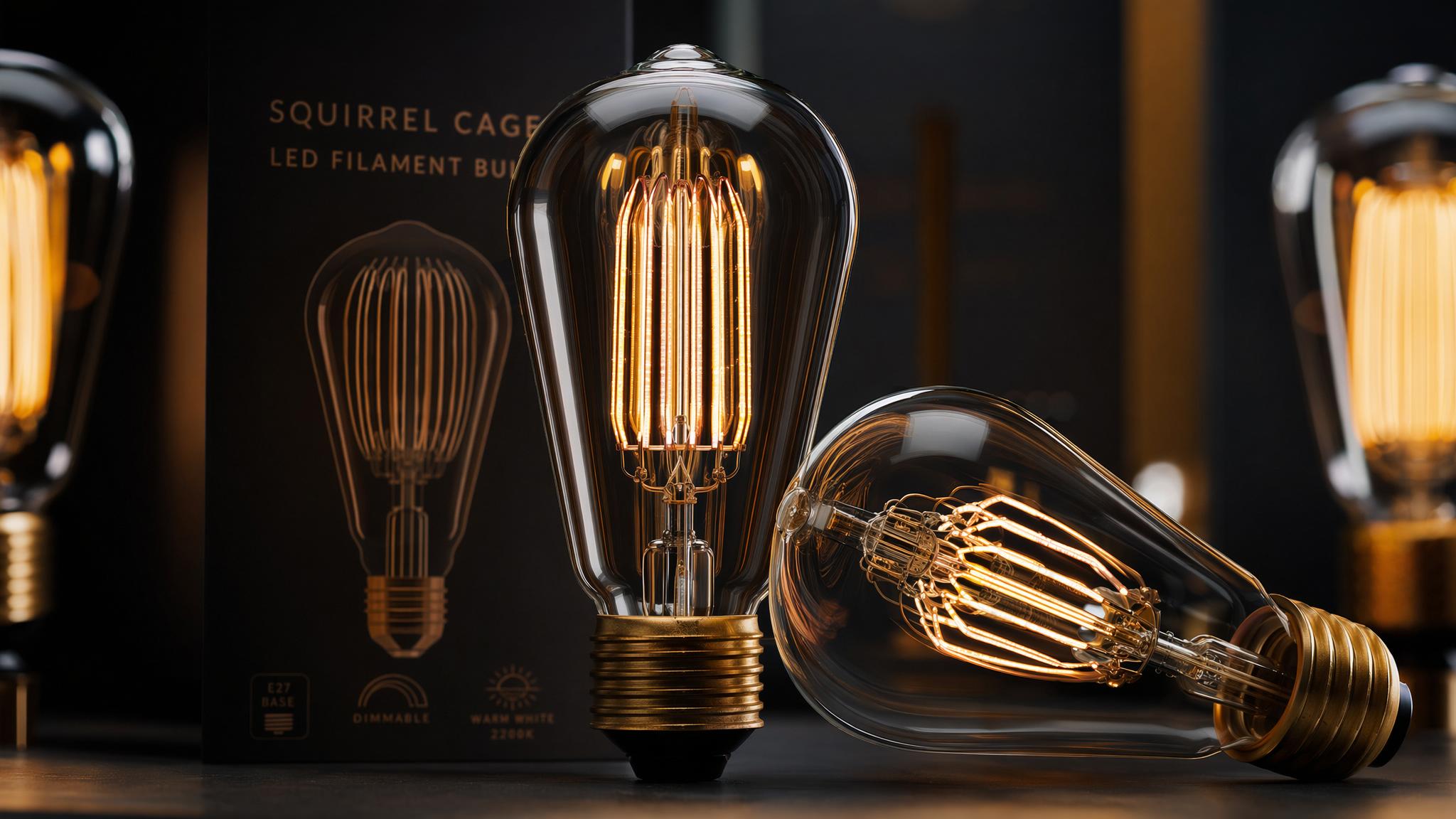
Multi-filament and squirrel cage LED bulbs are premium decorative lamp SKUs designed around visible filament structure. Instead of using a simple vertical filament layout, these bulbs may feature multiple loops, crossed filament paths, spiral arrangements →, cage-like patterns, or carbon-filament-inspired designs. The goal is not only illumination, but also visual character.
This category is popular with boutique hotels, bars, restaurants, vintage lighting brands, decorative fixture companies, and retail displays where the bulb is part of the design language. The products often carry higher margins than standard A60 or ST64 filament bulbs, but they also require more careful sourcing. The more complex the visible filament structure, the more opportunities there are for variation.
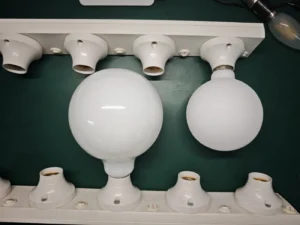
B2B buyers should view these bulbs as decorative components rather than commodity lamps. The same shape and wattage can produce very different impressions depending on filament geometry, glass clarity →, CCT, dimming behavior, and glow uniformity. A catalog photo may attract the buyer, but sample inspection determines whether the SKU is suitable for repeat stocking.
In this product group, “quality” is not only about whether the bulb works. It is also about whether the filament sits straight, glows evenly, matches the approved sample, and looks premium when installed in exposed fixtures.
Target Markets and Commercial Positioning
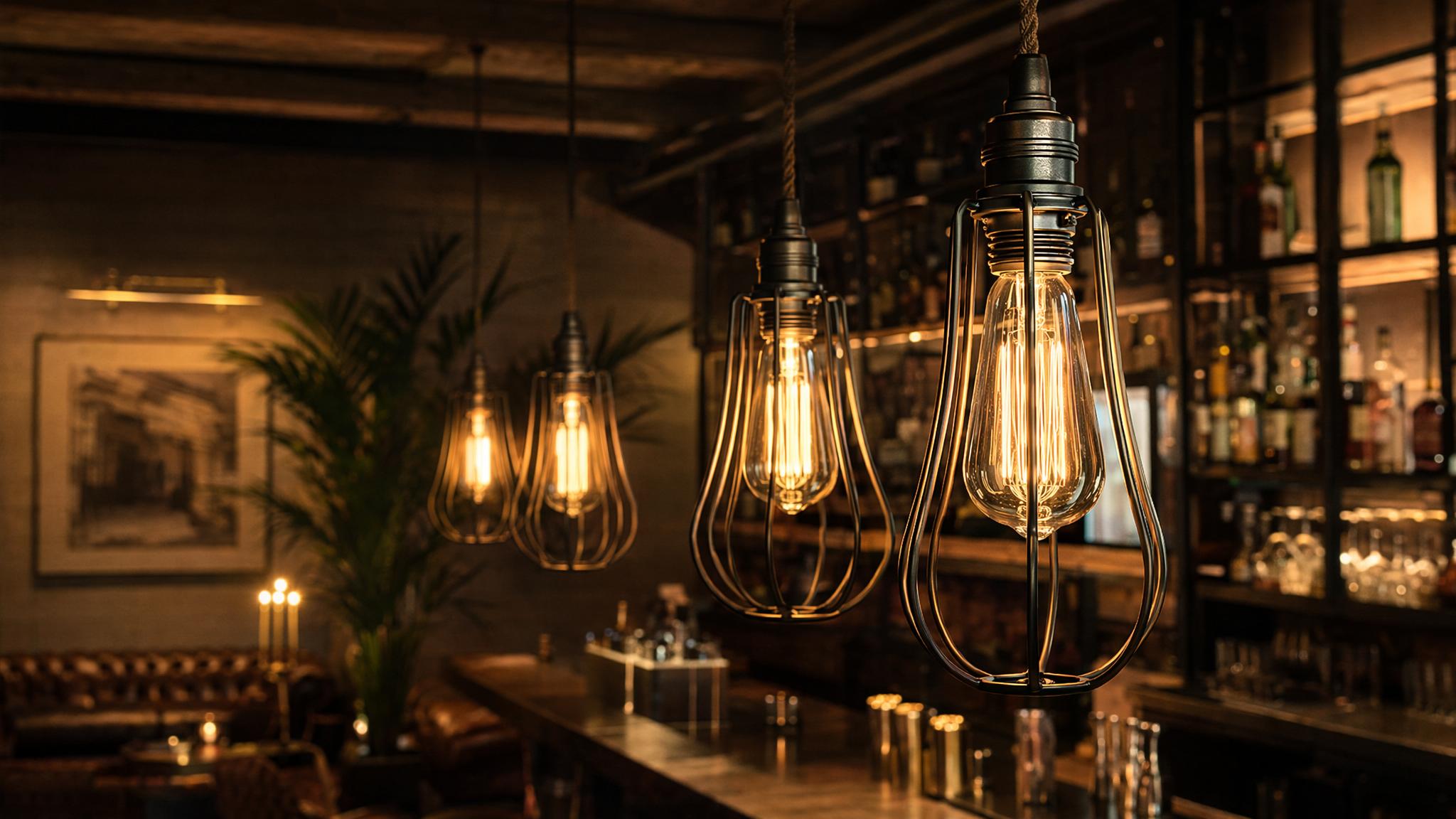
Multi-filament and squirrel cage bulbs are best suited for channels where visual differentiation matters. Boutique hotels use them in lobby pendants, corridor sconces, guestroom feature lights, and restaurant areas. Bars and cafés use them in exposed fixtures to create a vintage or industrial atmosphere. Decorative lighting brands use them to complete fixture collections and increase perceived value.
Retailers and distributors can position these bulbs as premium decorative upgrades rather than basic replacement lamps. Buyers can also compare consumer-facing performance expectations with ENERGY STAR light bulb resources. They are often sold alongside vintage pendants, cage lights, brass fixtures, smoked glass shades, and hospitality lighting packages. The buyer is not usually looking for maximum lumens per watt; they are looking for a specific glow, shape, and visible filament effect.
Because the target market is design-sensitive, consistency is important. If a hotel installs a group of squirrel cage bulbs above a bar, all lamps should have the same filament position, color temperature, glass tint, and brightness. A single mismatched bulb can stand out. This is different from utility lighting, where minor visual variation may be less noticeable.
For wholesalers, the product can work well as a margin builder, but it should not be overstocked without understanding demand. The most successful programs usually combine a few reliable core designs with selected specialty items for catalog depth.
Why Quality Variance Is Higher Than Standard Filament Bulbs
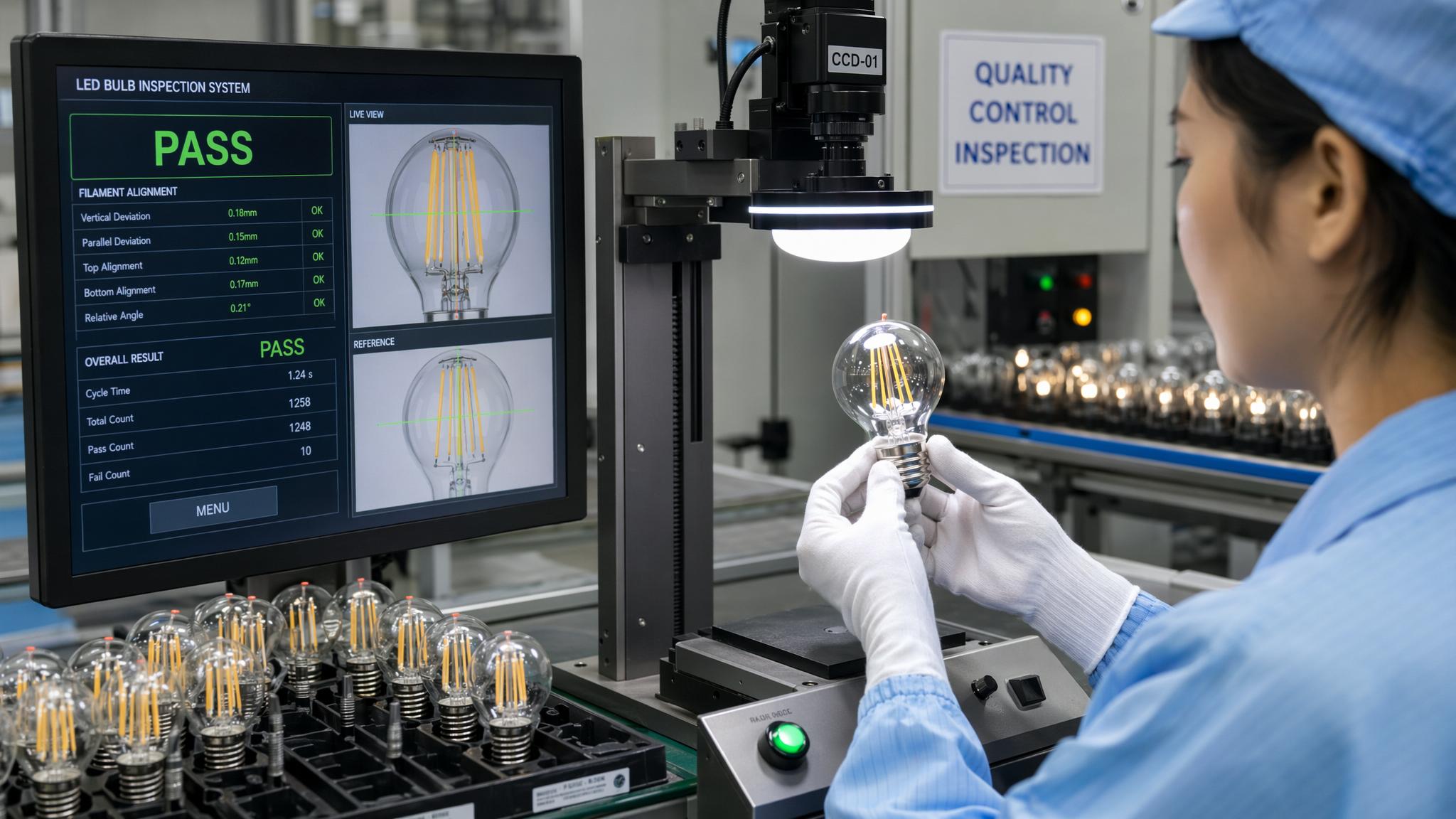
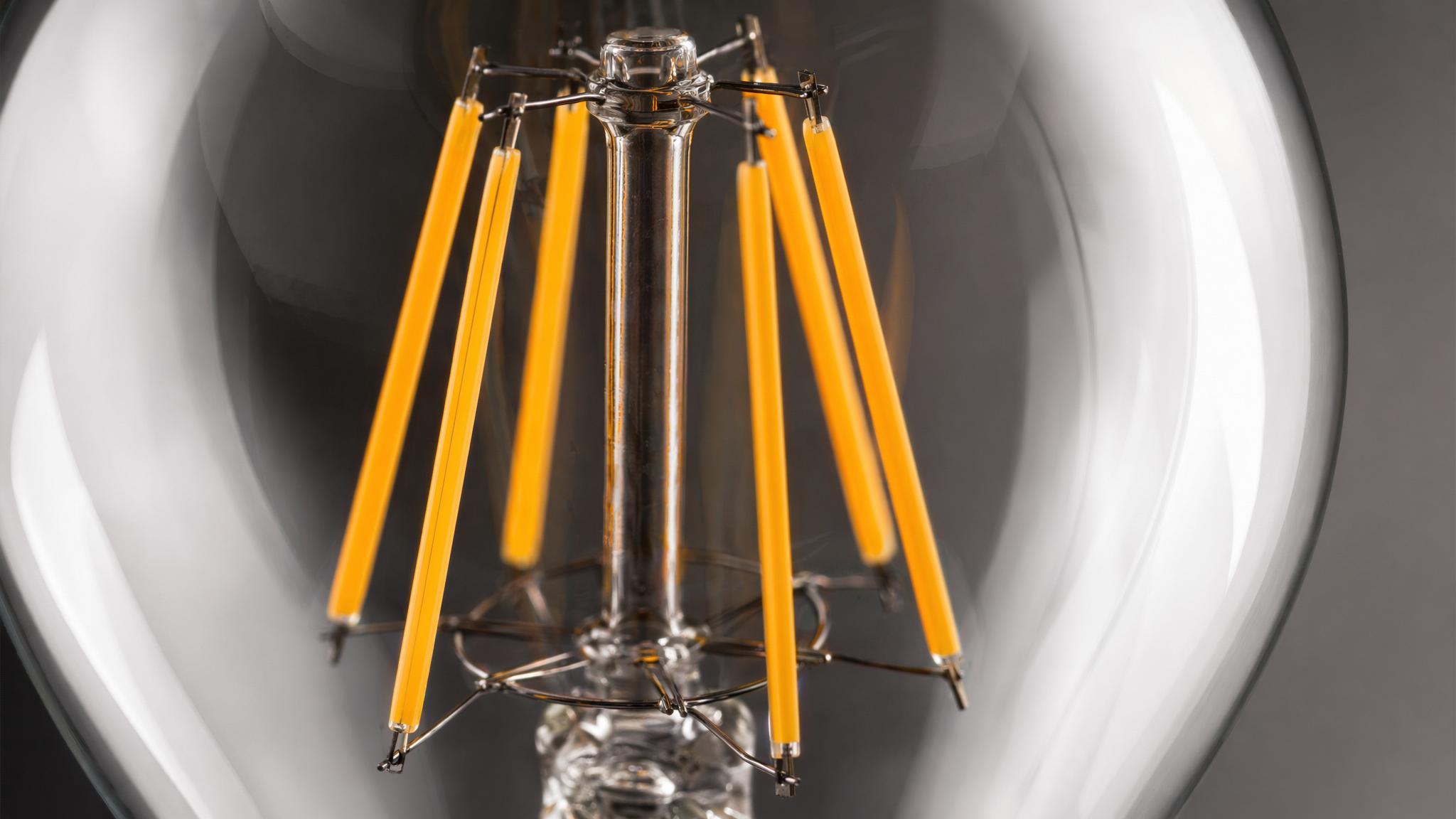
Quality variance is often higher in multi-filament and squirrel cage bulbs because the design is more complex. Standard filament bulbs may use a simple set of straight LED filaments. Premium decorative versions may require multiple bends, supports, anchor points, or carefully arranged loops. Each visible element must be positioned correctly inside the glass envelope.
Small production differences can affect the final appearance. A filament loop may sit slightly off-center. A support wire may be visible at an awkward angle. One side of the cage may glow brighter than the other. The glass may have small marks that are obvious because the bulb is viewed directly. These issues may not cause electrical failure, but they reduce perceived quality.
Driver selection also contributes to variation. Some low-cost decorative bulbs are built primarily for visual glow and may use simplified electronics. If the driver creates flicker, inconsistent startup, poor dimming, or audible noise, the product may fail in hospitality and retail applications even if the filament design looks attractive.
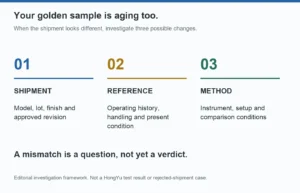
Batch consistency is another concern. A buyer may approve a beautiful sample, but mass production may use a slightly different filament support, glass tint, or CCT bin unless the specification is controlled. For this category, the approved sample should be kept as a visual standard and referenced in the purchase order.
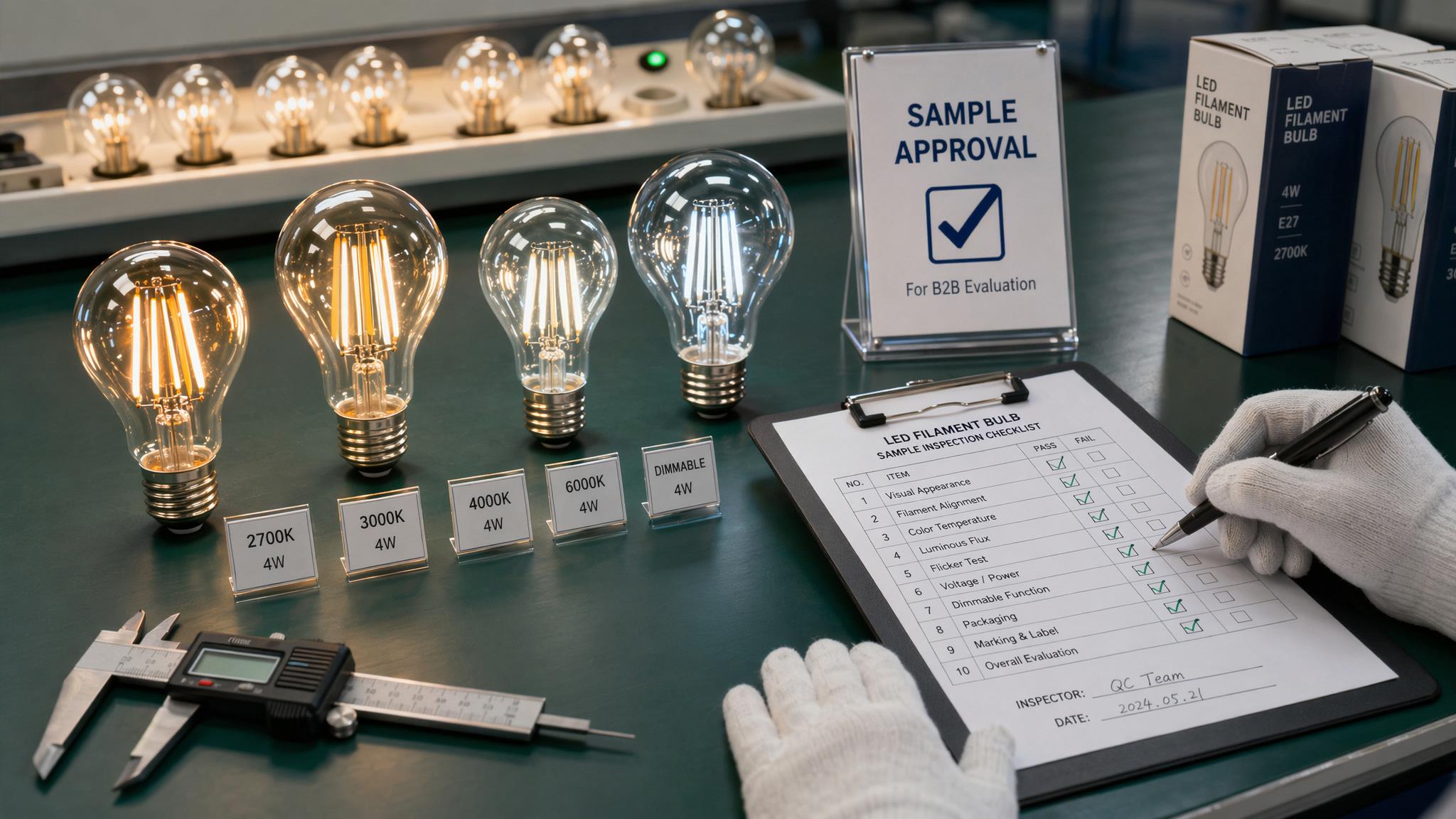
What to Check When Reviewing Samples
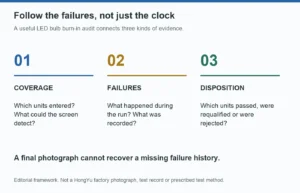
Sample review should start with the bulb switched off. Check glass clarity, shape, coating, base finish, printing, and the position of every visible filament element. Decorative bulbs are often photographed and displayed in fixtures, so appearance before operation matters. Scratches, bubbles, dust, crooked filaments, and uneven glass tint should be noted before the electrical test.
Next, check the bulb switched on at normal voltage. Look for glow uniformity across all filament segments. In a multi-loop design, one weak or overly bright segment can make the bulb look unbalanced. The buyer should also check whether the filament pattern appears centered from multiple viewing angles, especially if the lamp will be used in open pendants.
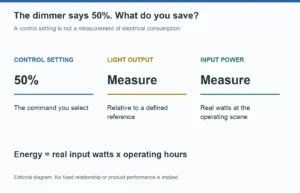
Dimming tests → are strongly recommended for hospitality channels. A premium decorative bulb should dim smoothly without visible flicker, sudden dropout, or buzzing. If the product is not dimmable, packaging and catalog information should say so clearly. Mislabeling a decorative bulb as dimmable is a fast way to create returns.
A practical sample checklist includes:
- Filament positioning: centered, balanced, and consistent across samples.
- Glow uniformity: no weak loops, hot spots, or uneven brightness.
- Glass quality: clear, clean, and matched to the approved finish.
- CCT and CRI: suitable for hospitality, retail, or brand positioning.
- Flicker and noise: acceptable for commercial interiors and camera-visible spaces.
- Packaging protection: strong enough for fragile decorative glass products.
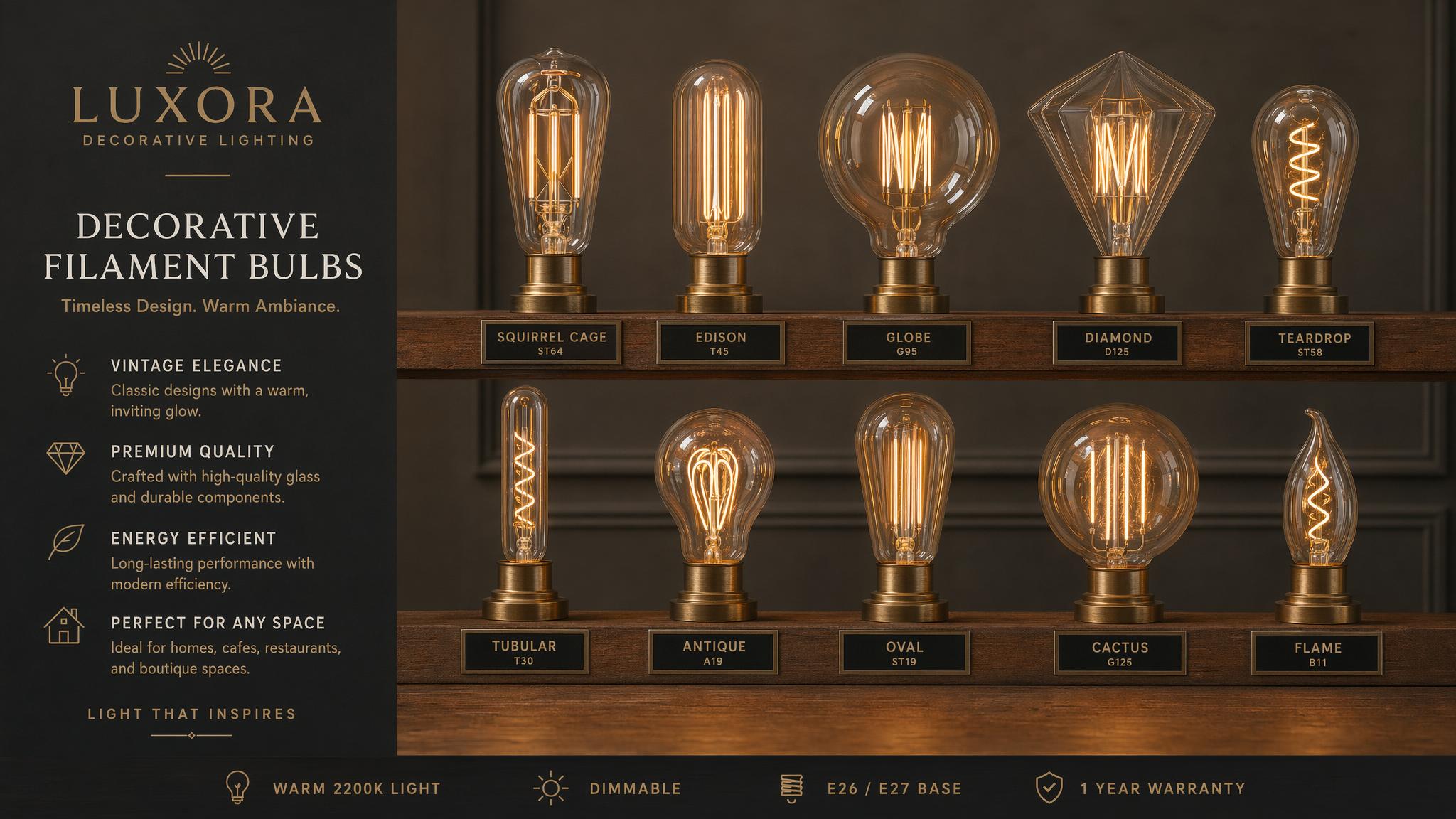
MOQ, Stocking Strategy, and Catalog Structure
MOQ decisions are important in this category because designs can be more specialized than standard filament bulbs. A distributor may sell thousands of A60 bulbs, but only smaller quantities of a distinctive squirrel cage design. Buyers should balance visual variety with inventory control. Too many specialty patterns can create slow-moving stock.
A practical stocking structure is to divide the range into core, premium, and project-specific items. Core items might include popular shapes such as ST64, G95, or A60 with attractive but not overly unusual filament patterns. Premium items might include larger globes, smoke glass, amber glass, or more complex cage designs. Project-specific items can be offered by quotation rather than held in large inventory.
Catalog positioning should make the application clear. Instead of listing only wattage and base type, show the intended use: vintage pendants, hotel bars, boutique retail, decorative wall sconces, or exposed multi-lamp fixtures. Buyers in the channel need to understand why the SKU costs more than a standard filament bulb and where it performs best.
MOQ should also be discussed with packaging and private-label requirements. Custom boxes, special glass finishes, or unique filament patterns may increase minimum quantities. If a buyer wants a proprietary design, they should confirm tooling needs, sample lead time, production lead time, and reorder flexibility before committing to a catalog launch.
FAQ: Multi-Filament and Squirrel Cage LED Bulbs
Are squirrel cage LED bulbs mainly decorative or functional?
They are mainly decorative, though they still provide useful ambient light. The visible filament pattern and warm glow are usually more important than maximum lumen output. Buyers should match lumen levels to the installation rather than compare them directly with general-service bulbs.
Why do these bulbs cost more than standard filament bulbs?
They often require more complex filament structures, stricter visual inspection, decorative glass finishes, and lower-volume production. The higher cost reflects both design complexity and positioning as premium decorative products.
What CCT is most common for this category?
Warm CCTs such as 1800K, 2200K, and 2700K are common because they support vintage and hospitality applications. The correct CCT depends on the catalog position and target market, but consistency across batches should be controlled.
Should buyers request custom filament patterns?
Custom patterns can help a lighting brand stand out, but they may require higher MOQ, longer development time, and stricter approval procedures. For many distributors, starting with proven patterns is safer before developing exclusive designs.
Related HongYu Bulb product pages
- LED Filament Bulb Product Range → — standard and decorative LED filament bulbs for wholesale and project sourcing.
- Custom Color Bulbs → — custom glass color, coating and printed finish options for private-label collections.
- Custom Logo Bulbs → — printed branding and private-label decorative bulb options.
- Big Decorative Bulbs → — oversized decorative filament bulbs for hospitality, retail and statement fixtures.
- Contact HongYu Bulb → — send specifications, target market, quantity and packaging requirements for quotation.
Conclusion
Multi-filament and squirrel cage LED bulbs work best when positioned as a premium extension of a standard filament bulb range. Standard A60, ST64 →, G95, and tubular bulbs can cover the high-volume needs of distributors and fixture manufacturers. Multi-loop and cage-style designs add visual depth, higher margins, and project appeal.
The catalog should make the difference clear. Standard filament bulbs can be presented around efficiency, replacement value, and broad compatibility. Premium decorative bulbs should be presented around filament design, glass finish, warm glow, hospitality use, and exposed-fixture appeal. This helps sales teams explain why both categories belong in the same product program.
For B2B buyers, the right approach is to select a controlled range, inspect samples carefully, and build repeatable specifications before promoting these bulbs as premium SKUs. Start with a few proven filament patterns, confirm glass clarity, glow uniformity, driver quality, dimming behavior, packaging protection, MOQ, and reorder flexibility, then expand only after sell-through data supports the range. If you are sourcing multi-filament or squirrel cage bulbs now, prepare a visual sample standard and application brief first; that gives the factory a clear target and gives your sales team a stronger story than wattage and price alone.