The purchase order said dimmable. The spec sheet said dimmable. The sample tested fine on the office bench dimmer. The bulk order shipped, passed inspection, and went into distribution.
Three months later the complaints arrived. Flickering at low settings. An audible buzz from the lamp or the dimmer. Lamps that dim to 40% and then shut off instead of going lower.
In G4 and G9 LED lamp categories, "dimmable" printed on packaging means almost nothing without a market-specific compatibility specification behind it. It tells the end customer the lamp has dimming capability. It does not tell them whether the lamp will dim smoothly, quietly, and to a useful low brightness on the dimmers already installed in their homes, restaurants, and hotel rooms.
The complaints that arrive after a dimmable G4 or G9 program launches without proper compatibility validation are rarely about defective product. They are about a specification gap that the importer had the information to close before the order was placed, and did not.
Dimming in Compact G4 and G9 Lamps Is Harder Than in Standard Bulbs
In a standard A60 or ST64 decorative LED bulb, the lamp body is large enough to accommodate a driver circuit with real design margin. The driver can include filtering components, soft-start circuitry, and dimming interface electronics that smooth the interaction between the lamp and a wide range of dimmer types.
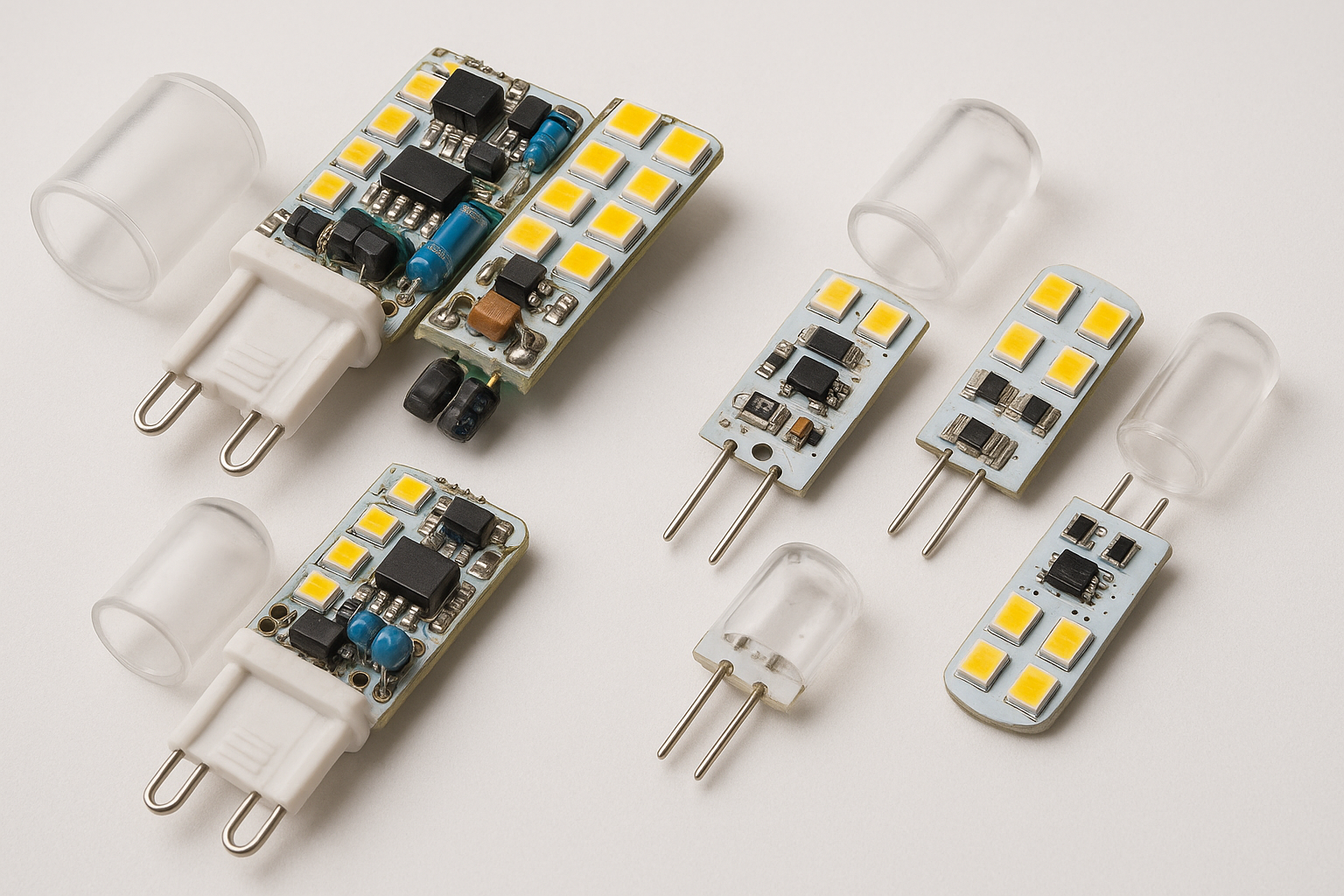
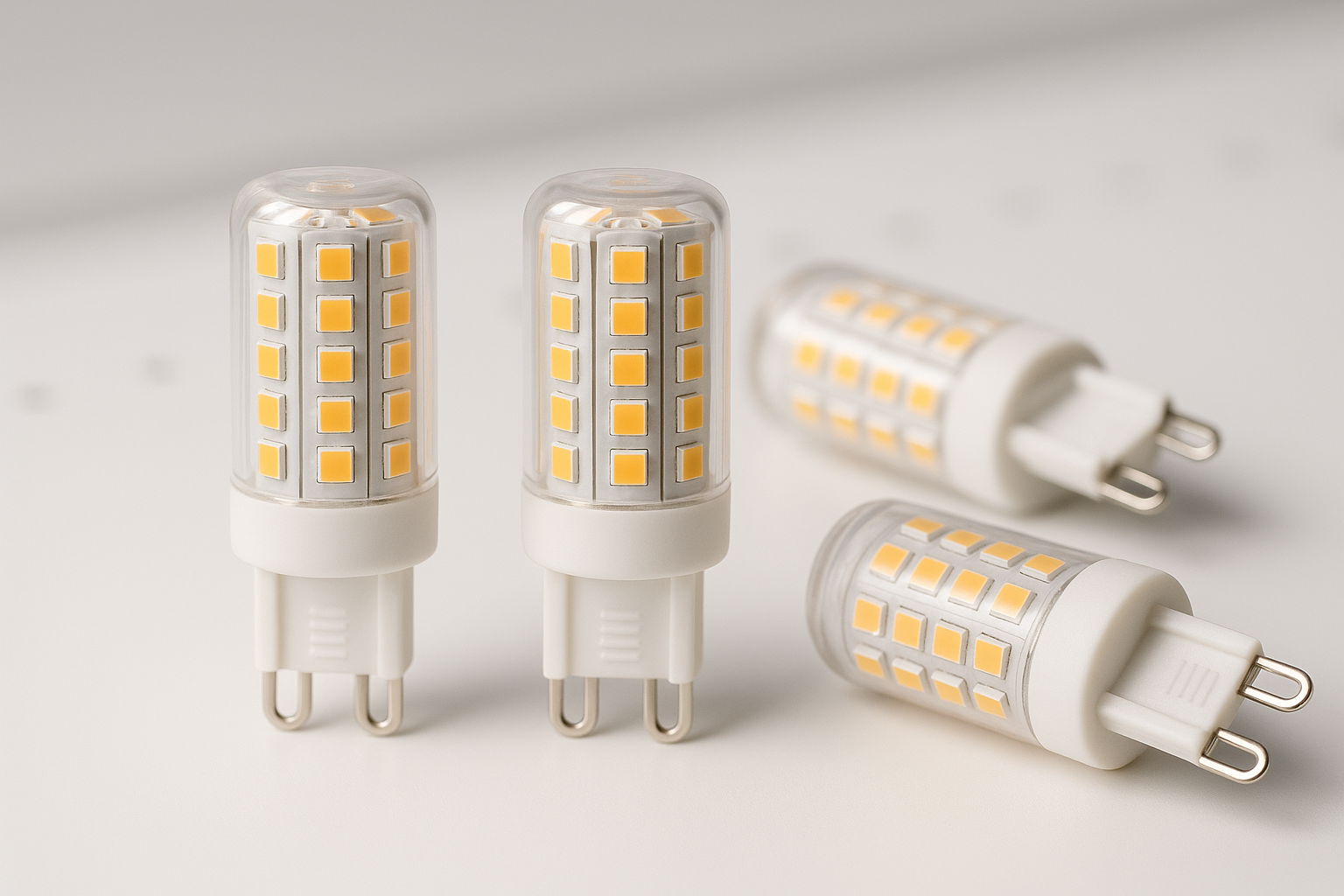
In a G4 or G9 LED lamp, the driver lives inside a body that is a fraction of the size. Every component must be chosen for size as well as performance. The filtering and interface electronics that would make dimming smoother and more broadly compatible are often the first things reduced or eliminated when the driver has to fit in a very small package.
The consequence is clear: compact LED lamps are more sensitive to dimmer incompatibility than larger-bodied LED lamps. The physical constraints that limit driver design in G4 and G9 products make the interaction with installed dimmers more variable and more prone to producing audible or visible symptoms when the combination is not a good match.
This is not a manufacturing defect. It is a physics and engineering constraint that applies to the category. Importers who treat dimmable G4 and G9 specification the same way they treat a standard bulb — confirming dimmable functionality without validating against specific dimmer types — are accepting a compatibility risk that is higher for compact products than for standard ones. The reason comes down to how compact lamp driver design works under physical constraints — a topic covered in detail in why compact G4 and G9 lamps expose weak supplier design faster than standard bulbs →.
The Three Dimming Complaints That Define the Category
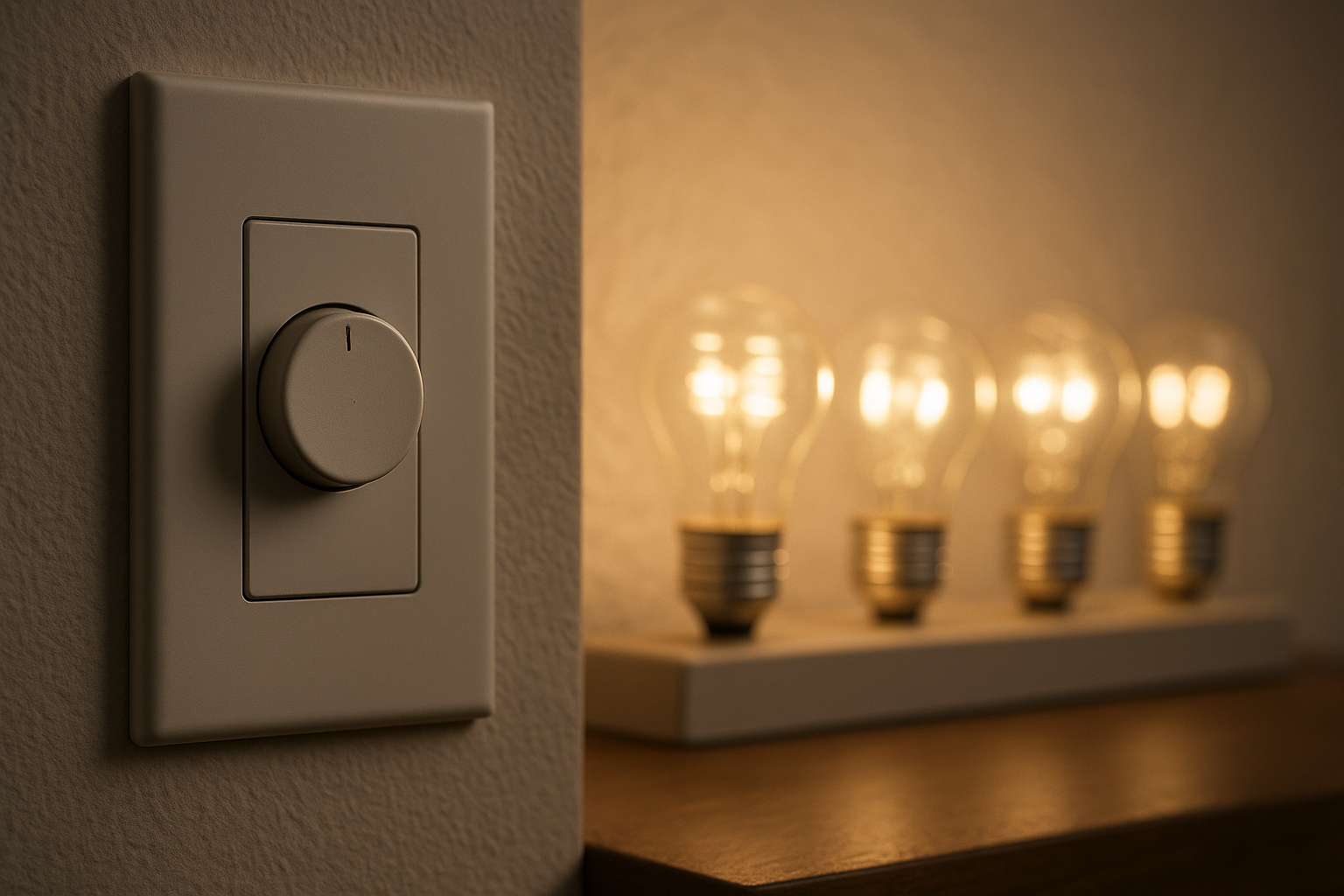
When dimmable G4 or G9 lamps are sold without proper compatibility validation, the complaints cluster around three distinct failure patterns.
Flicker at low brightness settings. The most common complaint. Typically occurs below 30-40% of full output. It usually means the lamp driver is not handling the dimmer control signal smoothly at the lower end of the range. A compact driver with less filtering capacity is more sensitive to signal variation than a larger driver in a standard bulb.
Audible buzzing from the lamp or the dimmer. A buzz audible during normal use indicates an electromagnetic interaction problem between the lamp driver and the dimmer control circuit. Leading-edge TRIAC dimmers are the most common source. Compact drivers that lack sufficient electromagnetic filtering will transmit the buzzing noise rather than suppress it.
Premature shut-off below a certain brightness level. Instead of dimming smoothly to very low brightness, the lamp hits a floor at 30-50% of full output and switches off completely. For hospitality and premium residential buyers who purchased dimmable lamps for low-ambient lighting, a product that cannot go below 40% is not delivering the functionality they paid for.
Why the Installed Dimmer Base in Your Target Market Matters More Than the Dimmable Label
A dimmable G4 or G9 lamp is a product. The dimmer in the end customer wall is a separate product with its own control technology. The customer experience depends entirely on how these two products interact.
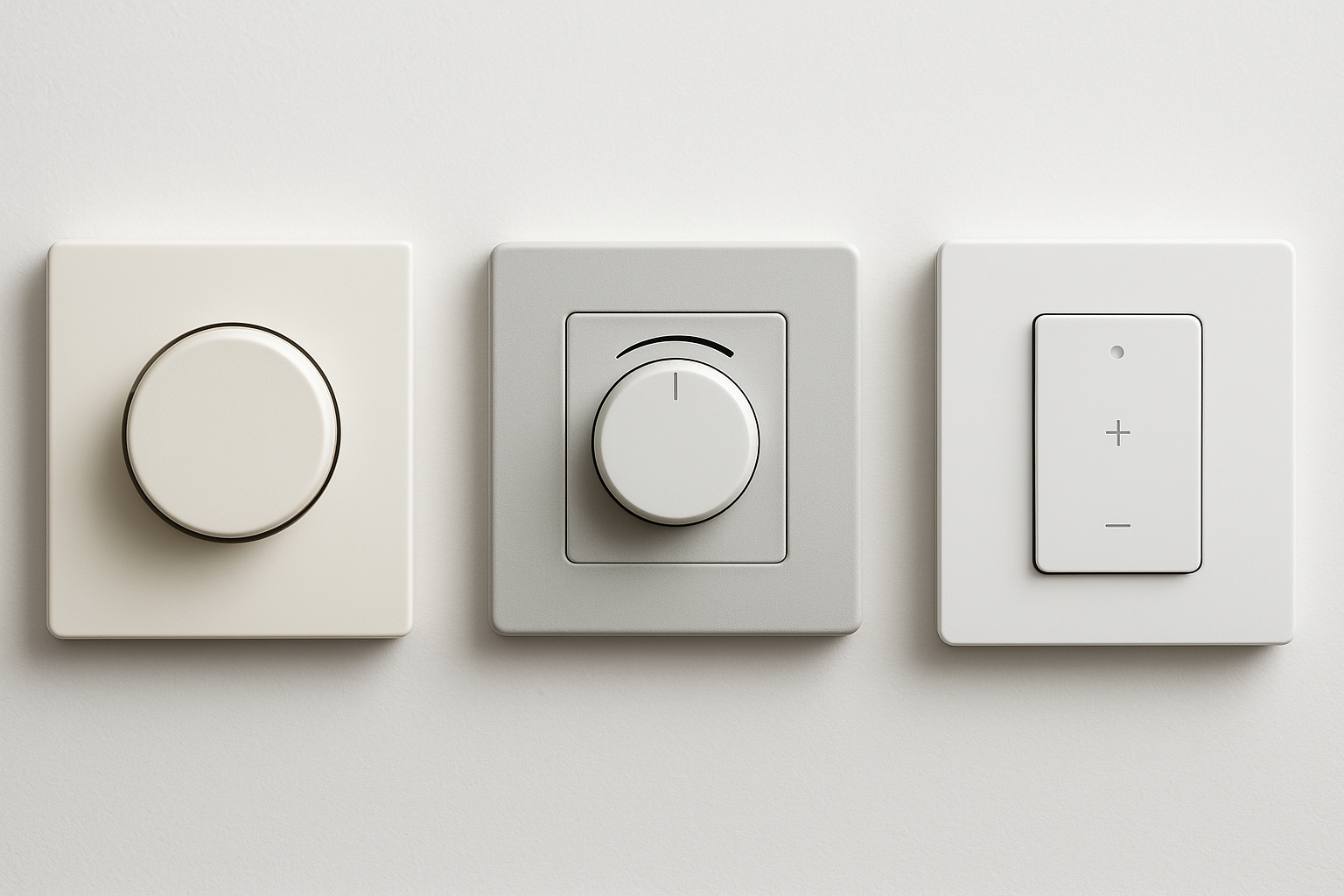
Leading-edge TRIAC dimmers are the most widely installed type in most European markets. Originally designed for incandescent and halogen loads, they are embedded in the installed base. They are less forgiving of compact driver designs not optimized for their control signal. In the UK, Germany, France, and Netherlands, leading-edge dimmers are the default assumption for residential installations that have not been specifically upgraded.
Trailing-edge ELV dimmers produce a cleaner control signal and are generally more compatible with LED drivers. They are increasingly specified in new installations and renovation projects but do not yet dominate the existing residential installed base.
Smart and phase-adaptive dimmers from Lutron, Legrand, and others use adaptive algorithms that improve compatibility with a wider range of LED drivers. Lutron compatibility is a significant quality signal in the US premium residential and hospitality market.
Before specifying dimmable G4 or G9 lamps for a target market, identify which dimmer types are most common and confirm your supplier has tested the product against those specific types. Dimmable without this context is not a specification. It is a marketing label.
What a Useful Dimming Compatibility Specification Actually Contains
When you ask a supplier to confirm dimming compatibility, the useful answer is not yes, it is dimmable. The useful answer is a set of specific data points.
A meaningful dimming compatibility specification for a G4 or G9 LED lamp should include:
- Tested dimmer models and brands — not dimmer types in the abstract, but specific products with model numbers
- Minimum stable brightness percentage — what is the lowest brightness the lamp reaches before it flickers or shuts off
- Flicker performance at minimum brightness — some lamps produce acceptable brightness at low levels but show measurable flicker there
- Audible noise evaluation — has the supplier tested for audible buzz from the lamp and from representative dimmer models in a quiet environment
- Minimum load requirements — some dimmers require a minimum connected load; G4 and G9 lamps are low-wattage and a single-lamp installation may fall below the threshold
The Right Time to Catch Compatibility Problems Is Before the Production Order
Every dimming compatibility problem that reaches the field was detectable before the production order was placed.
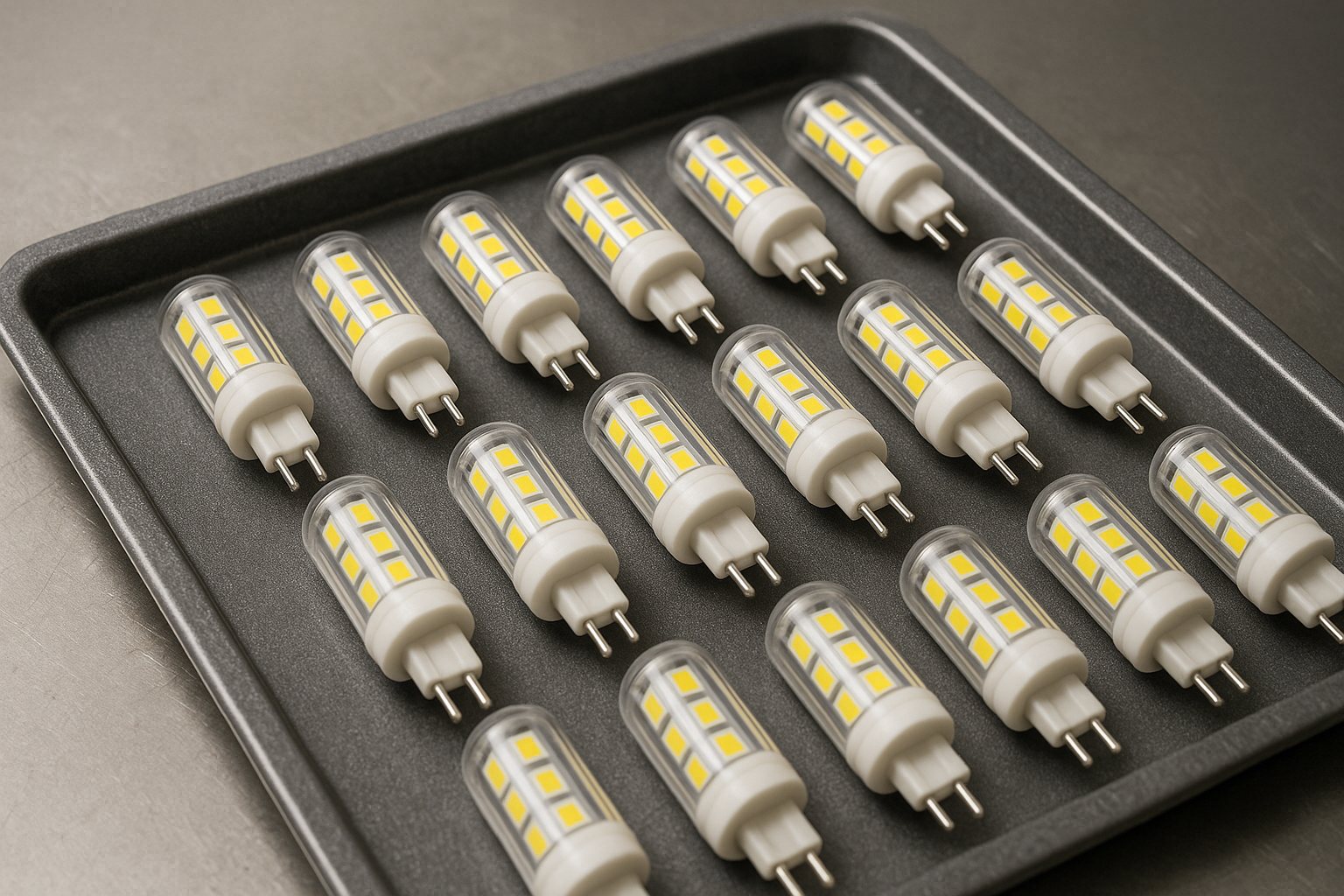
Obtain sample lamps from your supplier before approving bulk production. Install them in representative fixtures appropriate to your target channel. Test them against the two or three dimmer types most common in your target market. Observe the full dimming range from 100% to minimum, note the lowest stable brightness level, listen for audible noise, and check for visible flicker at low brightness settings.
If the lamp performs well across the test dimmers, document the results and use them as part of your supplier approval record. If the lamp shows problems on specific dimmer types, require the supplier to revise the driver design before bulk production, or narrow the stated compatibility scope on the product specification.
The alternative is discovering the incompatibility at scale after the product has been distributed, after the customer has installed it, and after the first batch of complaints has arrived. If you are also sourcing G4 lamps for enclosed fixture channels, note that thermal failure is a separate and equally common complaint pattern — covered in why G4 LED lamps that look fine in samples fail early in enclosed fixtures →.
FAQ
Why do dimmable G4 and G9 LED lamps have more compatibility issues than larger dimmable LED bulbs?
The compact size leaves less space for driver components that smooth the interaction between the lamp and the dimmer. Less design margin means the lamp is more sensitive to the specific characteristics of different dimmer types.
My supplier says the product is compatible with most dimmers. Is this sufficient?
No. You need to know which specific dimmer types and brands have been tested, what the minimum stable brightness level is, whether audible noise was observed, and whether testing was conducted in the relevant fixture type.
What minimum brightness level should a G4 or G9 dimmable lamp reach?
For hospitality and premium residential applications, 5-10% is typically required. A minimum floor above 30% is commercially limiting for most dimming applications.
Can the dimmer compatibility issue be fixed after bulk production?
Not in the existing product. Improving compatibility requires changing the driver design, which means a new sample cycle before the next production order.
Conclusion: Dimmable Is a Starting Point, Not a Specification
The word dimmable on a G4 or G9 lamp package opens a conversation. It does not close one. The specification that actually determines whether the product will work in your customers homes and venues is the dimmer compatibility data — the specific dimmer models tested, the minimum stable brightness, the audible noise evaluation, the flicker performance at low levels.
Importers who collect this data at the sample stage are making a decision about where the compatibility conversation happens. The options are before the bulk order, at negligible cost — or after distribution, during warranty claim processing, at significant cost.
If you are sourcing dimmable G4 or G9 LED lamps and want to discuss dimmer compatibility testing or driver specifications for your target market, contact our team →.
References
- IEC 62612 specifies performance requirements for self-ballasted LED lamps including operating conditions that inform dimming compatibility evaluation.
- ENERGY STAR Lamps Specification Version 3.0 includes minimum and maximum luminous flux levels and dimming performance requirements. See energystar.gov.
- The IES TM-27-14 standard addresses LED lamp electrical and photometric interoperability testing including dimmer compatibility evaluation methodologies. See ies.org.
- LightingEurope guidance on LED lamp and luminaire compatibility provides a practical framework for evaluating dimmer interaction in the European market. See lightingeurope.org.
- Intertek, UL, and other third-party testing organizations provide dimmer compatibility testing services for LED lamp validation before market release.
Related HongYu Bulb product pages
- LED Filament Bulb Product Range → — standard and decorative LED filament bulbs for wholesale and project sourcing.
- EU Dim-to-Warm Bulbs → — warm dimming filament bulbs for hospitality and mood lighting.
- LED Dimming Guide → — technical guidance for TRIAC dimming, flicker and compatibility.
- Contact HongYu Bulb → — send specifications, target market, quantity and packaging requirements for quotation.