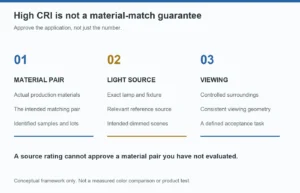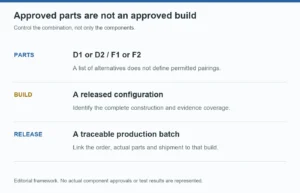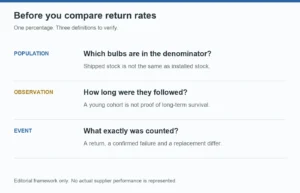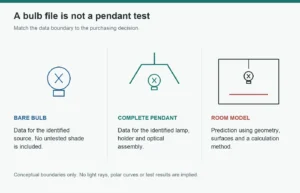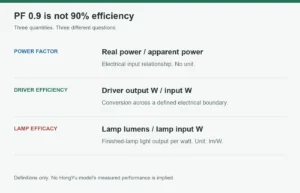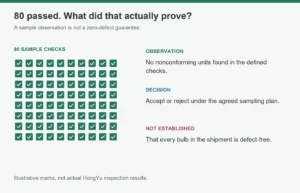
Featured image: Original editorial diagram. The eighty marks are illustrative, not HongYu inspection records.
The pre-shipment report looks reassuring: 80 LED bulbs inspected, zero nonconforming units found. The importer approves the shipment. Later, a customer discovers a lamp that does not start, and the purchasing team asks why the inspection missed it.
There may be a production problem, an inspection problem, or a failure that developed later. But the mere existence of a defective unit does not prove that a properly executed sample inspection was dishonest or statistically invalid.
A sample can satisfy an agreed acceptance rule while defects remain outside it. The buyer's job is to understand that residual risk, not to turn a green inspection result into a zero-defect guarantee.
Three Statements That Must Stay Separate
"No defects were found in the inspected sample" describes an observation. "The lot was accepted" describes a decision under a specified plan. "Every bulb conforms" is a much broader claim that sample inspection cannot establish.
NIST explicitly distinguishes acceptance sampling from estimating a lot's quality: its primary purpose is deciding whether to accept or reject a lot, using a randomly selected sample.[1]
Even the observation needs a scope. Eighty lamps checked for scratches are not eighty lamps tested for dimming compatibility. A report should name the characteristic, method, sample size and result, rather than compressing everything into "80 pieces passed."
Buyer judgment 1: Read the result as "zero observed nonconforming units for these checks," not "zero defects in the shipment."
The Probability Behind an All-Pass Sample
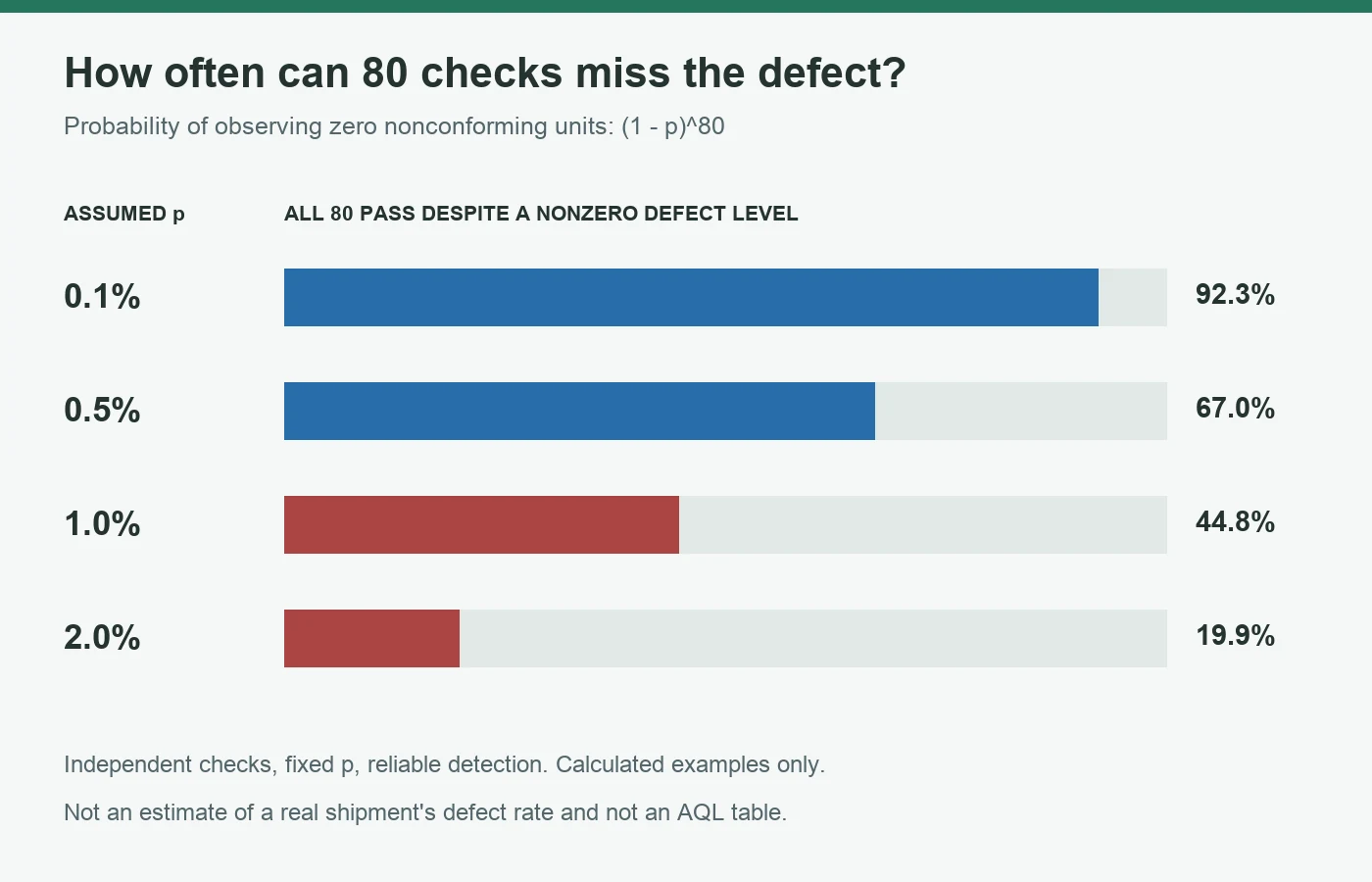
Consider an illustrative inspection for one defined defect, with reliable detection whenever an affected bulb is tested. Under independent sampling with a fixed nonconforming probability p, the binomial formula gives:[2]
Probability of observing zero nonconforming units = (1 - p)^n
Here, n is the number of bulbs actually checked for that defect. The following values are calculated examples, not HongYu production data or an AQL table.
| Assumed nonconforming proportion | Probability that all 80 sampled bulbs pass | Probability of finding at least one nonconforming bulb |
|---|---|---|
| 0.1% | 92.3% | 7.7% |
| 0.5% | 67.0% | 33.0% |
| 1.0% | 44.8% | 55.2% |
| 2.0% | 19.9% | 80.1% |
At a 1% nonconforming proportion, an all-pass sample of 80 is therefore quite plausible. It is not evidence of zero risk.
For sampling without replacement from a finite lot, the exact calculation is hypergeometric. If a hypothetical lot contains exactly 100 nonconforming bulbs among 10,000, a simple random sample of 80 has a 44.6% chance of missing all 100. The binomial approximation gives 44.8%, close in this example. Do not assume it remains equally accurate when the sample is a large fraction of the lot.
These are probabilities of a sample result given an assumed defect level. They are not the probability that a particular shipment is defective after it passes, and they do not estimate its actual defect rate.
Why "Just Test More" Is Not a Complete Plan
Under the same binomial model, at a 1% nonconforming probability, checking 299 bulbs gives about a 95% chance of finding at least one. That number answers a specific detection question. It is not a universal recommended sample size for LED bulbs.
Suppose a plan rejects the lot whenever even one nonconforming unit is found. With 299 checks, a process at 0.1% nonconforming would still trigger rejection about 25.9% of the time. Whether that is an acceptable tradeoff depends on the agreed risk and consequence, not just on how strict the plan sounds.
NIST describes plan design in terms of both producer's risk and consumer's risk, using an operating characteristic curve that relates the underlying nonconforming proportion to the probability of acceptance.[3]
Buyer judgment 2: Ask what defect level the plan is intended to detect, with what probability, and what rejection risk it creates for better-quality lots. "Zero acceptance" alone does not answer those questions.
AQL 2.5 Is Not a Shipment Defect Allowance
ASQ defines the acceptance quality limit in relation to a satisfactory process average over a continuing series of lots.[4] It is not a measurement showing that this delivery contains 2.5% nonconforming bulbs. Nor is it permission to knowingly pack that proportion of bad lamps.
An instruction such as "AQL 2.5" is incomplete without the applicable sampling system, lot definition, inspection level, inspection severity, sample size and acceptance/rejection numbers. Do not calculate the allowed count as sample size x 2.5%.
ASQ describes Z1.4 as a system for continuing lots with switching rules between normal, tightened and reduced inspection.[5] Selecting a convenient row while ignoring the scheme's conditions is not the same as implementing that system.
Specify the edition, too. As checked in September 2026, ISO lists ISO 2859-1:2026 as its current third edition, replacing the 1999 edition and associated amendments.[6] A screenshot of an old internet table should not silently determine a new purchase contract. The numerical examples above are independent calculations, not reproductions of either standard's tables.
Define What Counts Before Counting It
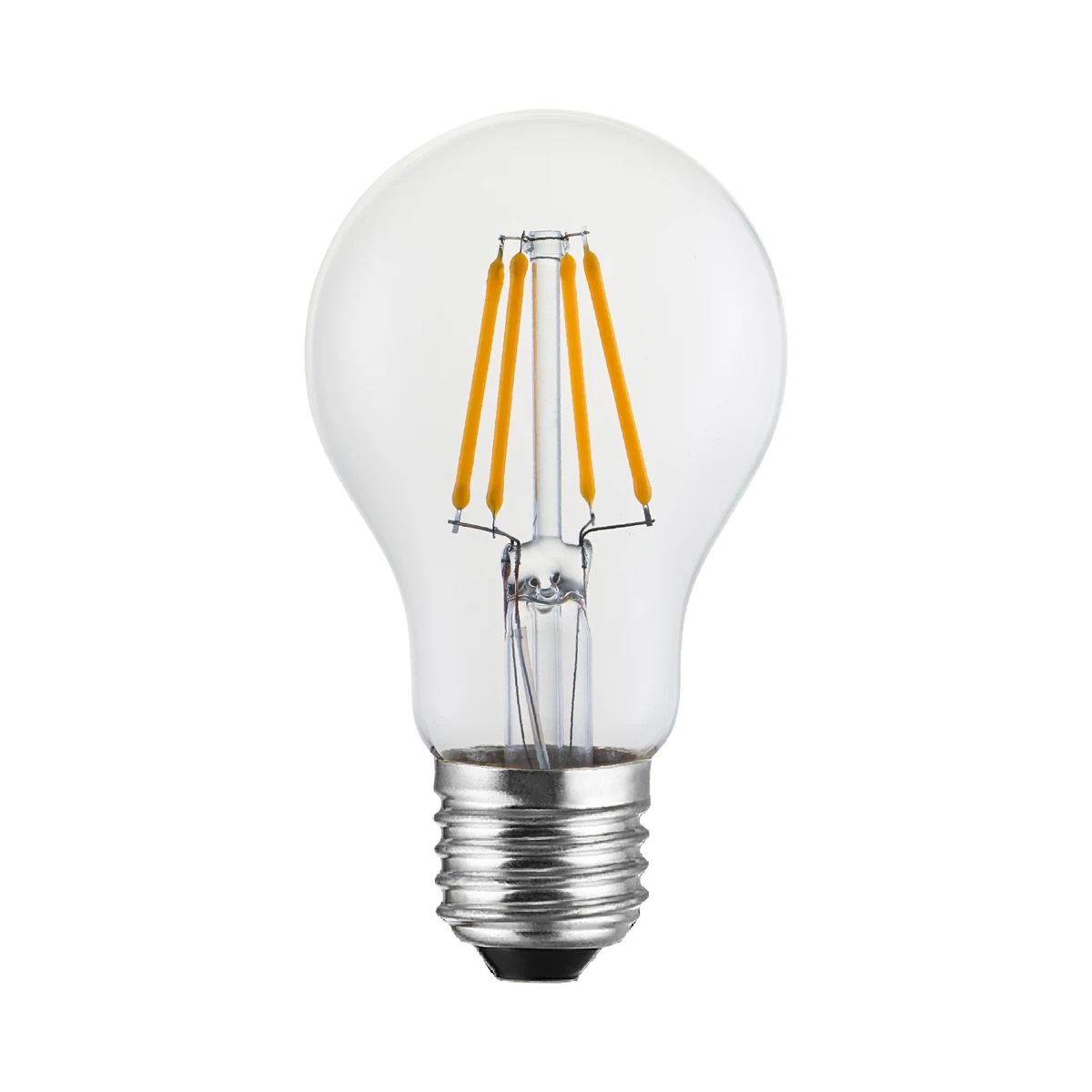
An attribute inspection needs an operational definition of conformity. For an item selected from the EU standard filament bulb range, identify its exact voltage, cap, output specification, finish and revision. Similar-looking lamps are not necessarily interchangeable inspection units.
| Inspection item | Definition to agree in advance | Counting issue to settle |
|---|---|---|
| Wrong model or voltage marking | Approved specification and identification method | Which category applies and whether the mismatch affects more than one carton |
| Visible surface damage | Reference examples, viewing conditions and relevant surfaces | One nonconforming bulb versus several individual scratches |
| Failure to start | Supply, control state, observation period and repeat procedure | A defined functional failure, not an unexplained operator impression |
| Optical performance outside a limit | Measurand, test conditions, limit and decision rule | Whether the plan counts nonconforming units or uses measured variables |
| Safety-related finding | Applicable requirements and escalation procedure | Do not treat a cosmetic sampling allowance as authorization to ship a known unsafe product |
One bulb with three scratches is one nonconforming unit under a unit-based plan, but could involve several nonconformities under a differently defined count. Keep those systems separate. Defect severity must reflect the actual consequence and specification; do not automatically classify every visible mark as minor or every functional issue the same way.
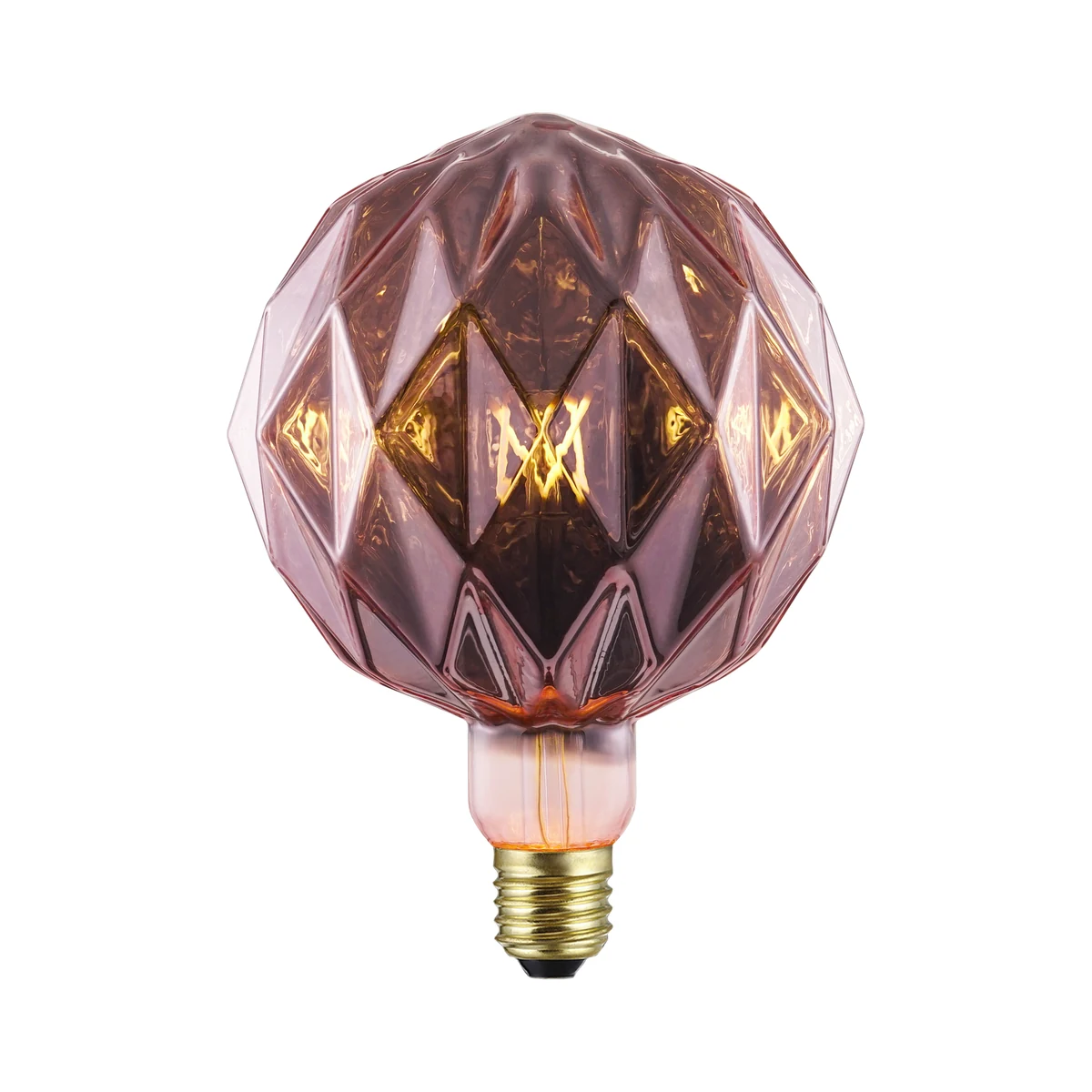
For custom-color decorative bulbs, agree how coating appearance is judged both unlit and, where relevant, lit. Viewing geometry, reflections and the reference sample can matter. A photograph taken under uncontrolled lighting is useful documentation, but not necessarily a reproducible acceptance method.
Buyer judgment 3: Freeze the defect definitions and counting method before inspection. Changing them after seeing the result changes the decision being made.
An Order Number Is Not Always One Inspection Lot
A mixed order may contain clear A60 lamps, coated globes and dim-to-warm lamps, potentially from different production runs. A large total sample does not guarantee useful coverage of each group.
Define technically meaningful lots or an agreed stratified plan. Preserve model, revision, production batch and packing-location information. Document random selection within the defined groups, including access to the relevant carton population. Do not let convenience samples from the nearest open carton stand in for an entire shipment.
Sampling randomly across the whole order can answer an order-wide question, but a small specialty SKU may receive too few checks for its own release decision. Deliberately selecting extra high-risk samples can help investigation; record them separately from the formal random sample unless the plan explicitly includes that design.
From a manufacturing-control perspective, lot boundaries should follow meaningful changes. A coating run, driver revision or reworked group may deserve separate treatment even when the sales description is unchanged. These are recommended controls, not a claim about an audited HongYu procedure.
Match Each Claim to Its Actual Test Coverage
| Reported activity | What the result can support | What it cannot automatically support |
|---|---|---|
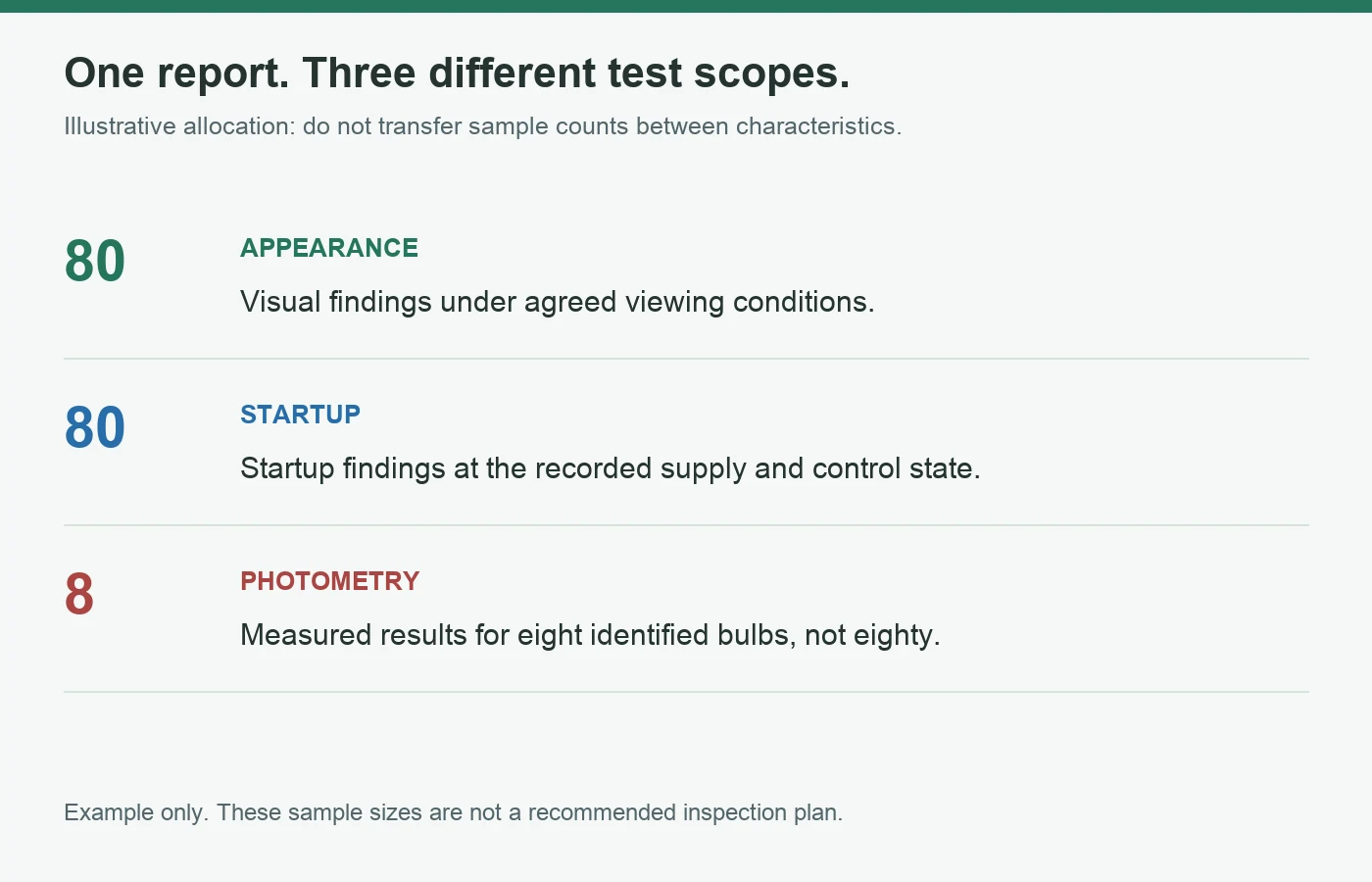
| Visual checks on 80 bulbs | Appearance findings for that defined sample and method | Electrical or optical conformity of all 80 |
| Startup checks on 80 bulbs | Startup findings at the tested conditions | Long-term reliability or compatibility with every controller |
| Photometric checks on 8 bulbs | Results for those eight under the recorded method | A claim that 80 bulbs passed photometric testing |
| Model-level qualification | Evidence within the qualification's configuration and scope | Proof that every production unit is identical and defect-free |
For dim-to-warm LED bulbs, the applicable controller and operating points belong in the functional test scope. Increasing the number of full-output checks will not reveal a behavior that only appears at an untested low setting.
Buyer judgment 4: More samples cannot compensate for the wrong test. Record a separate sample size and result for each characteristic.
Decide What Happens After a Failure
Do not erase the failed sample and keep drawing replacements until one passes. A pre-agreed double or multiple sampling plan is different: its additional samples and decision boundaries are specified in advance.
For a rejected lot, preserve the original findings and identify the affected population. Agree containment, investigation, any sorting or rework, and the conditions for resubmission. Replacing only the defects found in the sample does not establish that unsampled stock has been corrected.
A statement such as "100% tested" also needs its method and coverage. Testing every lamp for startup does not inspect every coating surface, prove lifetime, or remove the possibility of test error.
Buyer judgment 5: Agree the failure and resubmission rules before the inspection. A later clean sample must not silently replace the first result.
Put the Inspection Agreement on One Page
| Field | Minimum useful entry |
|---|---|
| Lot identity | Model, revision, quantity, production group and relevant carton list |
| Inspection basis | Standard and edition, applicable scheme, level and severity, or justified custom plan |
| Defect register | Definitions, severity categories, references and unit/nonconformity counting rules |
| Selection and coverage | Who selects, randomization method and sample size for each test |
| Decision | Acceptance/rejection numbers or applicable measurement-based rule |
| Follow-up | Hold authority, correction, resubmission conditions and retained original records |
Conclusion
An all-pass sample is valuable evidence when the lot, selection method, test scope and acceptance rule are clear. It is not proof that no defective bulb exists elsewhere in the shipment.
For an LED bulb importer, the better question is not simply "Did all 80 pass?" It is "What did those 80 checks have a realistic chance of finding, and what have we agreed to do about the risk they cannot remove?"
References
- NIST/SEMATECH. What Is Acceptance Sampling?. Back
- NIST/SEMATECH. Binomial Distribution. Mathematical basis for the original probability examples. Back
- NIST/SEMATECH. Choosing a Sampling Plan with a Given OC Curve. Back
- ASQ. Quality Glossary: Acceptance Quality Limit and Acceptance Sampling. Back
- ASQ. Z1.4 and Z1.9 Sampling Standards. Public scope summary; this article does not reproduce the sampling tables. Back
- ISO. ISO 2859-1:2026. Edition and scope checked September 2026. Back