Why A60 Looks Simple but Requires a Complete Specification
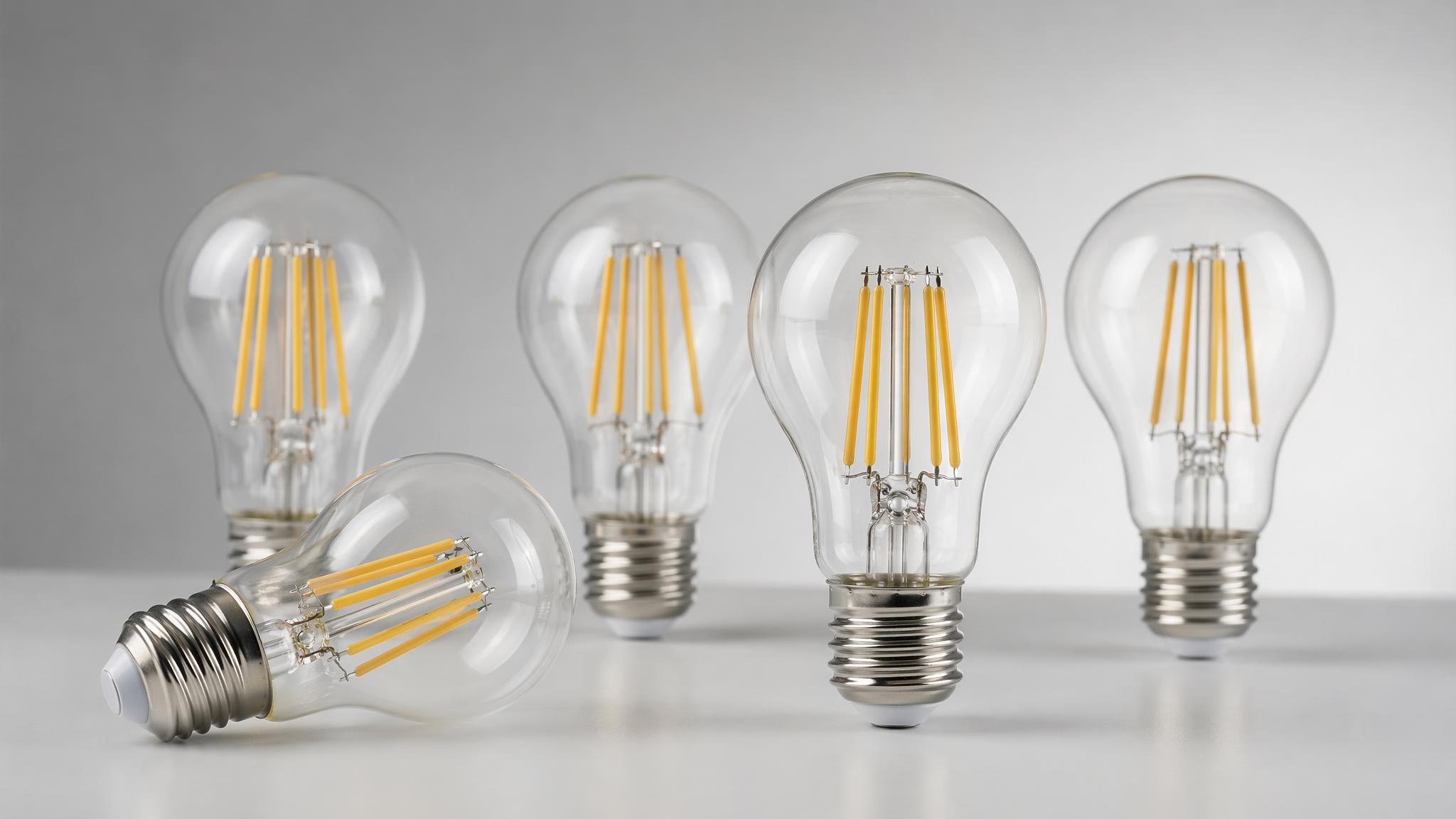
A60 LED filament bulbs are among the most common decorative lamp SKUs for importers, wholesalers, lighting brands, and distributors. The shape is familiar, the E27 or E26 base is widely used, and the product is often treated as a standard item. That simplicity is exactly why A60 bulbs are so often misspecified.
The term A60 mainly describes the general A-shape glass envelope with an approximate 60 mm diameter. It does not automatically define the driver design, dimming performance, CRI, CCT tolerance →, filament layout, glass finish, voltage range, thermal rating, packaging, or certification. Two bulbs can both be described as “A60 E27 6W” and still behave very differently in the field.
For B2B buyers, A60 is usually a volume SKU. It may be sold through electrical distributors, decorative lighting brands, DIY channels, hospitality suppliers, or fixture manufacturers. A small specification gap can become a large commercial issue when the order quantity is high. Color variation, flicker, poor dimming, short life in enclosed fixtures →, or mismatched packaging can create returns across an entire sales channel.
Experienced buyers treat A60 as a controlled platform product rather than a generic bulb. They define not only what the lamp looks like, but also how it performs in the applications where their customers will use it.
What “A60” Specifies and What It Leaves Open
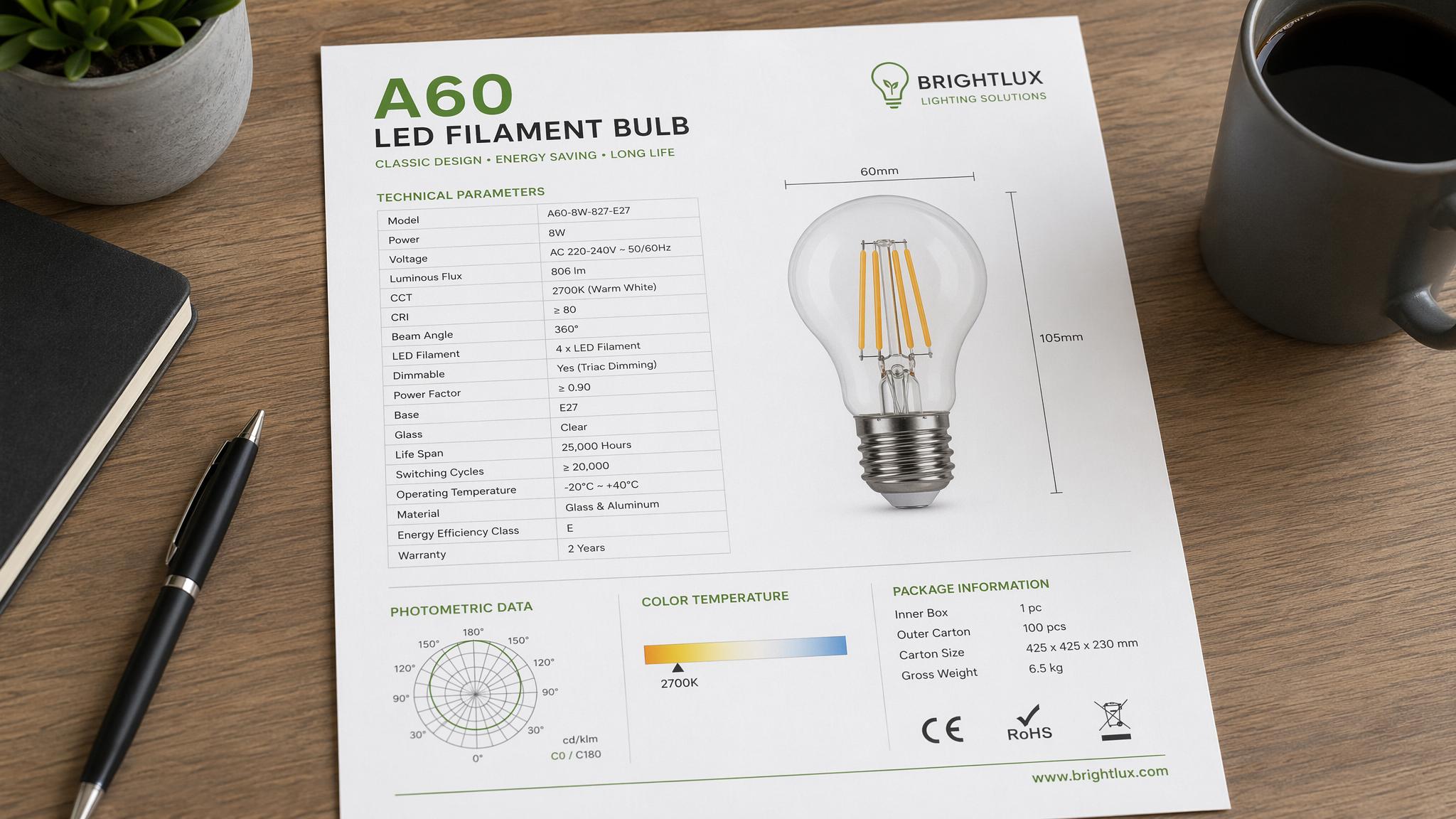
A60 identifies the bulb family and approximate size. It usually tells the supplier that the buyer wants a standard pear-like A-shape bulb with a 60 mm diameter. In many markets, the common base is E27, while E26 is standard in North America and some other regions. However, the A60 name does not define the full commercial product.
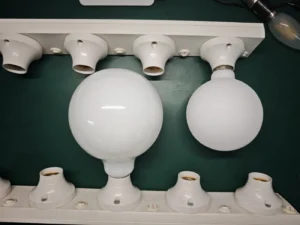
Several major parameters remain open unless the buyer specifies them. Wattage may vary from low-output decorative versions to brighter general-service replacements. Lumen output can differ significantly even at the same wattage. Glass may be clear, frosted, amber, smoke, or milky →. Filaments may be arranged vertically, spirally, or in other decorative layouts. Driver type can be basic, flicker-reduced, dimmable, high power factor, or designed for specific regulatory requirements.
Even dimensions should not be assumed. While the diameter is nominally 60 mm, total length, neck shape, base height, and glass profile may vary slightly by supplier. Those differences matter for fixture manufacturers and private-label brands that need consistent product drawings, packaging inserts, or compatibility with existing luminaires.
A60 also leaves open the application rating. Some lamps are suitable only for open fixtures. Others are designed for enclosed fixtures or higher ambient temperatures. If this is not clarified before ordering, a distributor may sell the bulb into fixtures where heat buildup reduces life or causes early failures.
Parameters Buyers Most Often Skip
The first skipped parameter is driver type. Many buyers specify wattage and voltage but do not ask how the driver is built. Driver design affects flicker, power factor, surge tolerance, dimming, heat generation, and life. For markets with stricter performance expectations, a very low-cost driver may create problems even if the bulb lights up during inspection.
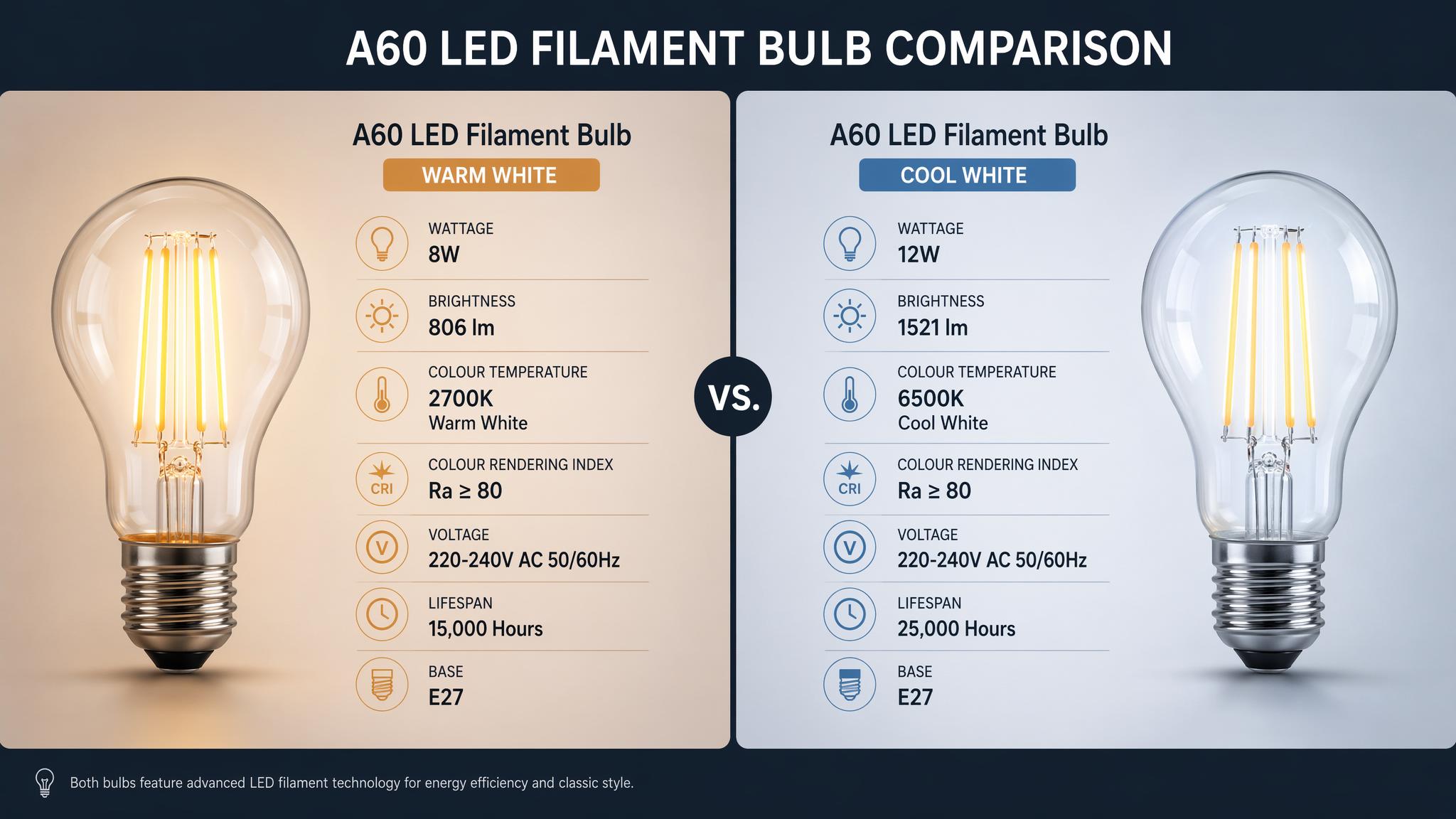
CCT tolerance is another common omission. A buyer may order 2700K A60 bulbs, but without an agreed tolerance or binning standard, delivered product may vary from warm amber to noticeably cooler white. In a single home this may be minor. In a hotel corridor, restaurant, or retail display with many lamps visible together, variation becomes a clear quality issue.
CRI should also be specified. CRI 80+ is common for general decorative bulbs, while CRI 90+ may be required for premium retail, hospitality, or brand-sensitive channels. If CRI is not defined, the supplier may quote the lowest-cost acceptable option, which may not match the buyer’s market positioning.
Other frequently missed parameters include:
- Flicker performance: important for hospitality, retail, offices, and camera-visible spaces.
- Dimming protocol →: non-dimmable, phase-cut dimmable, or compatibility with specific dimmer types.
- Power factor: relevant for commercial installations and some regulatory markets.
- Enclosed fixture rating: critical where bulbs are used in globes, ceiling fixtures, or decorative covers.
- Surge protection: useful in markets with unstable power conditions.
- Certifications: CE, RoHS, ERP, UKCA, ETL, UL, FCC, or other requirements depending on region.
For OEM orders, these details should be part of the purchase specification, not discussed only in chat messages or sample comments.
Why Two A60 Bulbs Can Behave Completely Differently
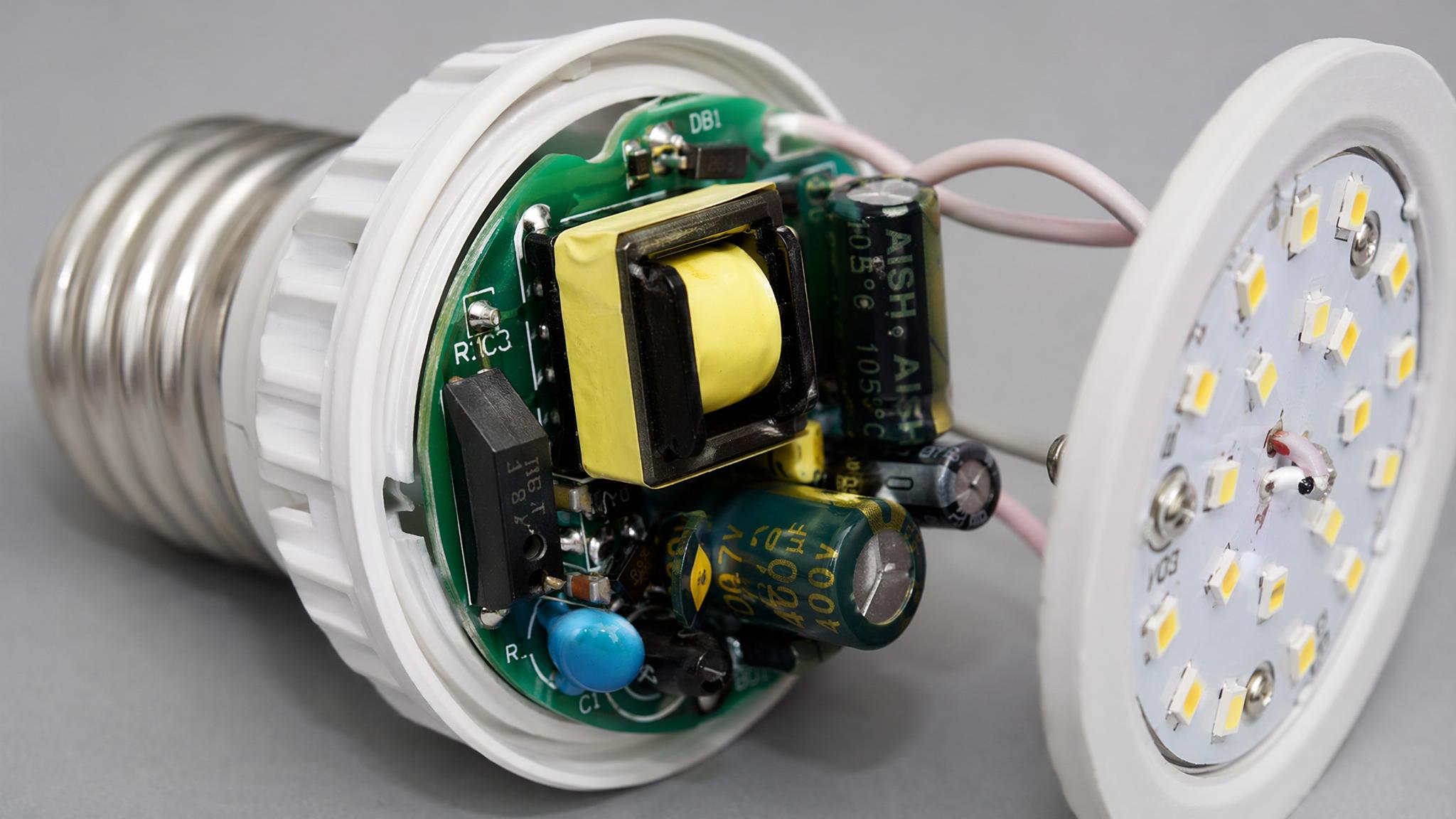
Two A60 bulbs from different factories may share the same shape, base, wattage, and CCT on paper. In use, one may dim smoothly while the other flickers. One may maintain color consistency, while another shifts between batches. One may survive in a semi-enclosed fixture, while another fails early because the driver runs too hot.
The reason is that A60 is a form factor, not a complete engineering standard. Factories make different decisions about LED filament chips, phosphor coating, filament support structure, driver circuit, capacitor quality, gas filling, glass thickness, base assembly, and thermal path. These decisions are not always visible from a product photo or basic quotation.
Cost pressure increases the variation. A buyer requesting only “A60 E27 6W 2700K” may receive several quotes that look similar but are built to different quality levels. The lowest price may come from a simplified driver, looser color control, lower-grade components, or thinner packaging. If the buyer does not define the required performance, the supplier has room to optimize for price rather than application fit.
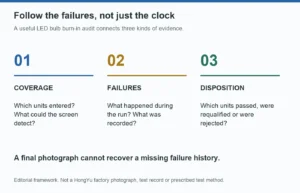
This is why sample testing must go beyond switching the bulb on for a few minutes. Buyers should review startup behavior, flicker, surface temperature, lumen output, CCT, CRI, dimming if applicable, and performance in representative fixtures. For large orders, pre-shipment inspection should include both visual and electrical checks against the approved sample.
How to Write a Proper A60 OEM Specification
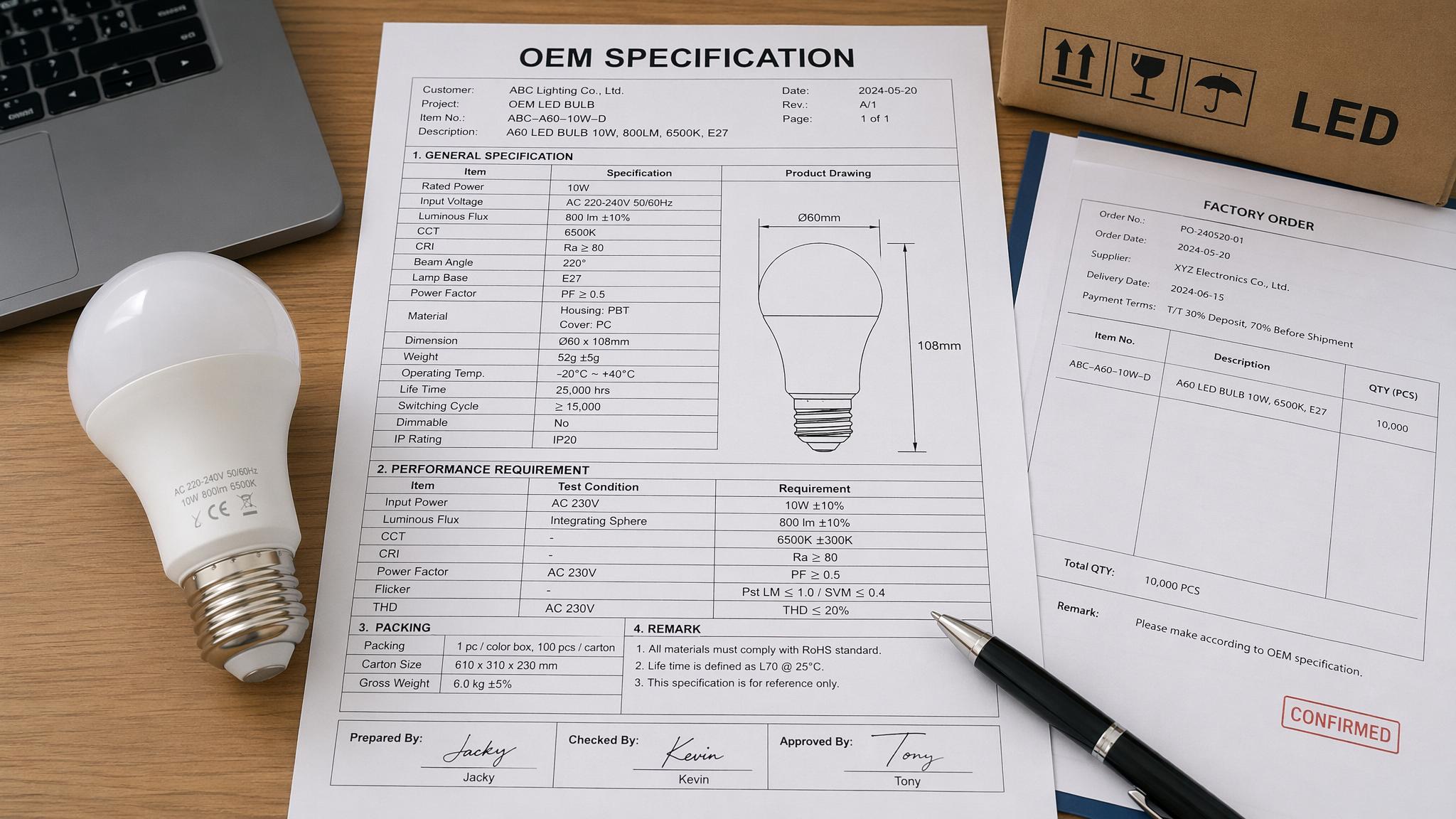
A proper A60 OEM specification should be specific enough that the factory, inspection team, and buyer all understand the same product. It should start with the basic identity: A60 shape, base type, input voltage, wattage, lumen output, CCT, CRI, glass finish, and filament arrangement. These details create the foundation for quotation and sample approval.
The next layer should define performance. Include dimming requirement, flicker requirement, power factor, lifetime claim, switching cycles, operating temperature, enclosed fixture rating, and applicable standards. If the product will be sold in a regulated market, certification and labeling requirements should be confirmed before mass production.
The specification should also include mechanical and visual standards. Define total length, bulb diameter, base material, cap finish, printing on the bulb, logo placement, glass color tolerance, and acceptable cosmetic defects. For decorative filament bulbs, visual consistency is part of the product value. A small difference in amber glass or filament position may matter to a lighting brand.
Packaging should not be left until the end. Define inner box, master carton, barcode, user instructions, safety warnings, carton drop requirements, and pallet information if needed. A strong bulb with weak packaging can still create high damage rates in distribution.
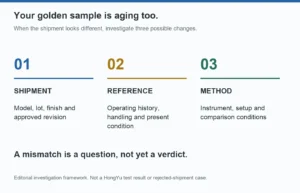
Finally, include the approved sample reference and inspection plan. The sample should represent the production standard, and the purchase order should refer to that sample. This reduces disputes if the delivered product differs from what the buyer expected.
FAQ: A60 LED Filament Bulb Sourcing
Is A60 the same as E27?
No. A60 describes the bulb shape and approximate diameter, while E27 describes the screw base. Many A60 bulbs use E27 bases, but A60 and E27 are not interchangeable terms. Buyers should specify both shape and base.
What wattage is most common for A60 LED filament bulbs?
Common wattages often range from about 4W to 8W depending on the lumen target and market. The correct wattage should be selected together with lumen output, driver design, and thermal requirements rather than treated as a standalone decision.
Should A60 bulbs be dimmable by default?
Not necessarily. Dimmable A60 bulbs are useful for hospitality and premium decorative channels, but they cost more and must be tested with common dimmers. For basic distribution channels, non-dimmable versions may be acceptable if clearly labeled.
Why is enclosed fixture rating important?
Enclosed fixtures trap heat. If an A60 bulb is not designed for that condition, the driver or LED filaments may run hotter than intended, reducing life or causing failures. Buyers should specify enclosed-rating requirements when the target application includes covered fixtures.
Related HongYu Bulb product pages
- LED Filament Bulb Product Range → — standard and decorative LED filament bulbs for wholesale and project sourcing.
- Big Decorative Bulbs → — oversized decorative filament bulbs for hospitality, retail and statement fixtures.
- Contact HongYu Bulb → — send specifications, target market, quantity and packaging requirements for quotation.
Conclusion
Experienced A60 buyers do not assume that a common SKU is automatically low risk. They specify the product in writing, approve samples carefully, and connect technical requirements to the real sales channel. They also understand that a stable A60 program depends on repeatability across batches.
Before ordering, they confirm the shape, base, voltage, wattage, lumens, CCT tolerance, CRI, driver type, flicker level, dimming behavior, thermal rating, certification, packaging, and inspection standard. They test samples in representative fixtures and keep records for future repeat orders.
A60 LED filament bulbs remain one of the most important SKUs in decorative lighting, so buyers should not let familiarity weaken the purchase process. Before the next order, convert the quotation into a written specification, approve a production sample, test it in the fixtures your customers actually use, and align packaging and inspection standards with the sales channel. If a supplier cannot confirm driver type, color tolerance, dimming behavior, thermal rating, and certification clearly, resolve those points before price negotiation—not after complaints begin.