Color Rendering Index is one of the most frequently misunderstood specifications in LED lighting. Buyers know it is important but are often uncertain about how much difference there is between CRI 80 and CRI 90 in practice, whether the extra cost of CRI 90 or CRI 95 is justified for their specific application, and what the relationship is between CRI and the full colour rendering test suite (including R9). This guide provides the technical clarity needed to specify CRI correctly and explains why the single-number Ra index is an inadequate guide to real-world colour rendering quality.
What CRI Actually Measures — and What It Does Not
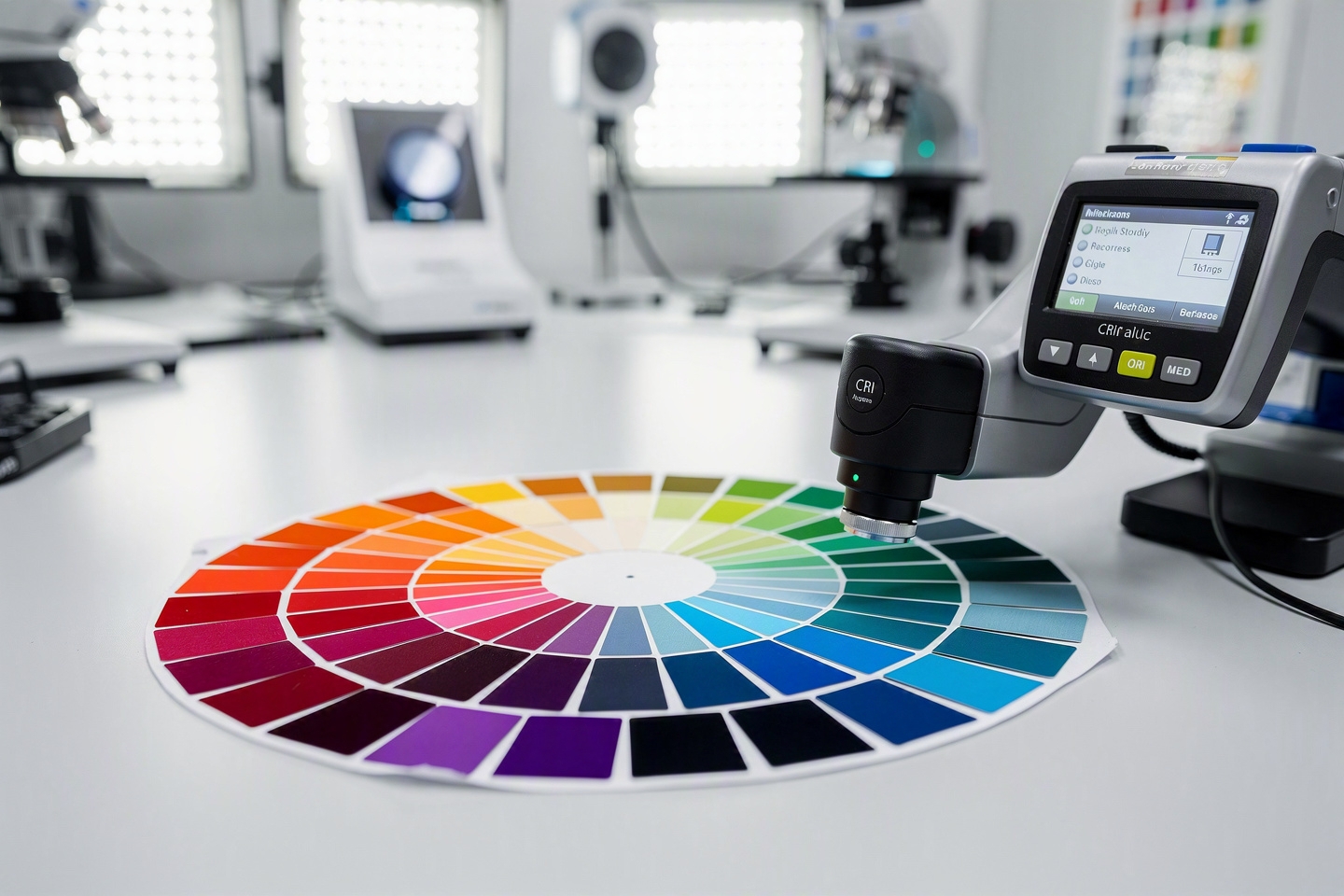
CRI (Colour Rendering Index), formally designated Ra (the average of the first 8 colour rendering indices), is a metric defined by CIE (Commission Internationale de l'Eclairage) that quantifies how accurately a light source renders a set of standard test colours compared to a reference illuminant at the same correlated colour temperature. The test uses 8 colour samples (R1 through R8) drawn from the Munsell colour system, and Ra is the average of the 8 individual colour rendering indices.
The critical limitation of Ra is that it is an average across only 8 colour samples, all of which have moderate saturation. It says nothing about how a light source renders highly saturated colours (particularly reds), skin tones, or colours at the extremes of the visible spectrum. A light source can score Ra 90 while rendering saturated reds very poorly — because R9 (the saturated red test colour) is not included in the Ra average. This is the fundamental reason why Ra alone is an insufficient specification for applications where red rendering is important.
The R9 Problem: Why Saturated Reds Matter
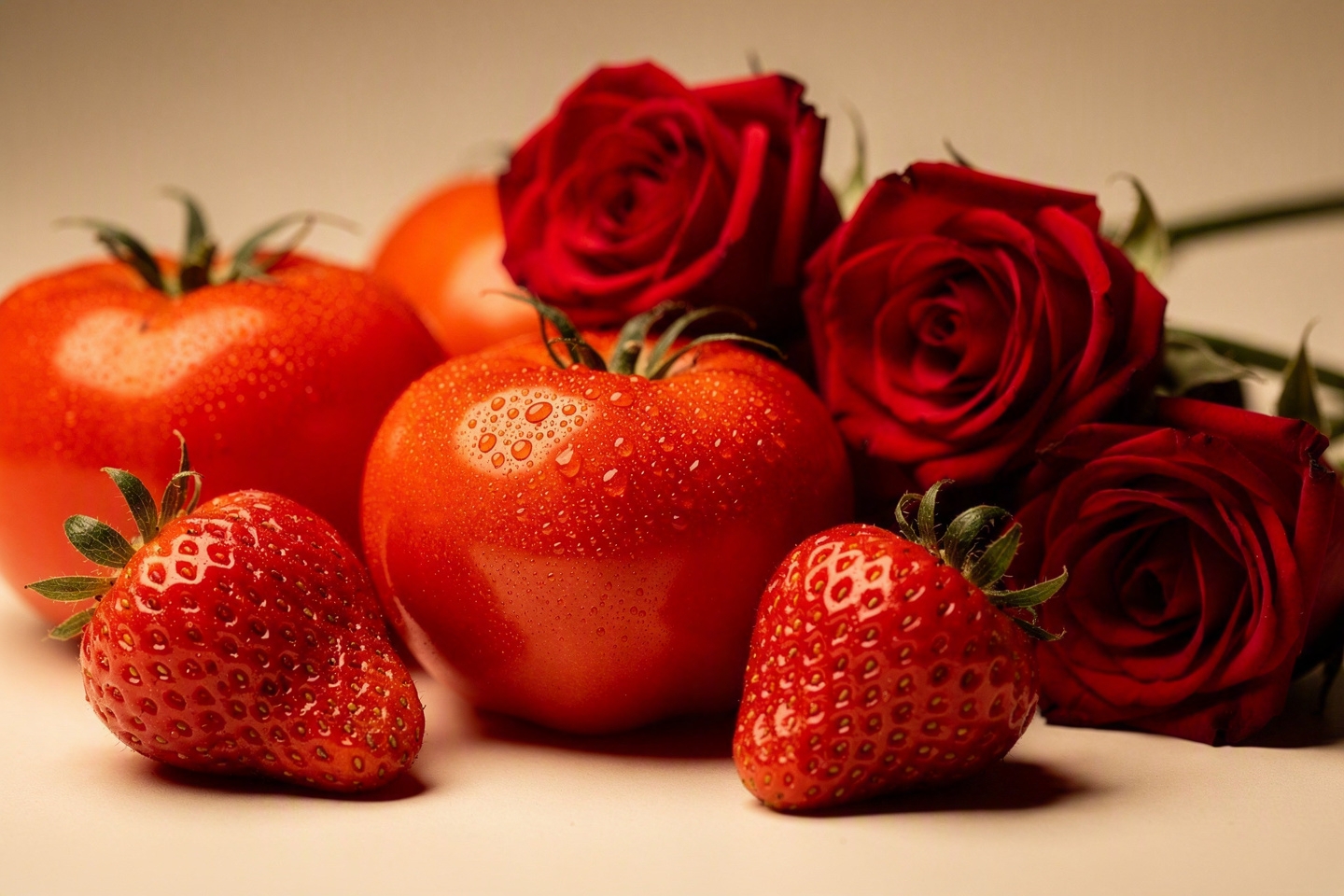
R9 is the individual colour rendering index for a specific saturated red colour sample (Munsell sample 4.5R 4/13). It measures how accurately a light source renders this deeply saturated red relative to the reference illuminant. R9 is the most commercially important individual colour rendering index for several reasons:
- Skin tones: Human skin contains haemoglobin, which is a strongly red-absorbing molecule. The warm, healthy, vibrant appearance of skin under good lighting depends on accurate rendering of the red-orange region of the spectrum. Light sources with low R9 render skin as sallow, grey, or flat — even when their Ra is 90+.
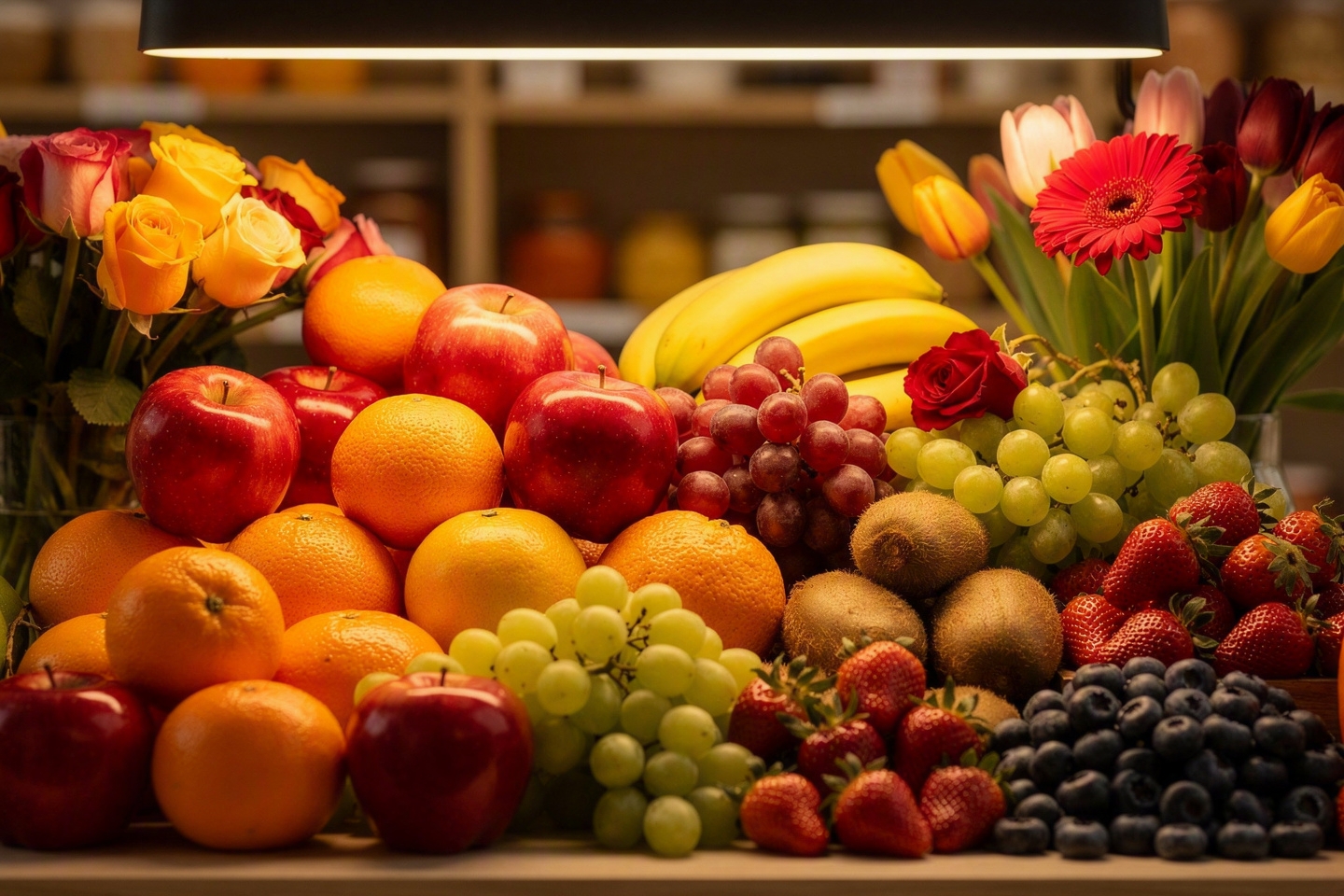
- Meat, produce, and food retail: Fresh meat, tomatoes, peppers, strawberries, and other red-dominant foods are dramatically affected by R9. In food retail, low R9 makes fresh products look unappetising. High R9 is a commercial necessity in butchery, deli, and fresh produce displays.
- Red textiles and paints: Interior designers, retail apparel, and paint showrooms all require accurate red rendering for customers to make accurate colour-critical purchasing decisions.
An LED light source with Ra 90 and R9 0 (which is physically possible) would render most colours accurately but would make saturated reds appear dull and desaturated — essentially stripping the vibrancy from anything in the red-orange part of the spectrum. An LED with Ra 80 and R9 70 might actually render reds better in practice, despite the lower overall Ra score.
CRI 80 vs CRI 90 vs CRI 95: A Practical Comparison
| Parameter | CRI 80 (Ra 80) | CRI 90 (Ra 90) | CRI 95 (Ra 95) |
|---|---|---|---|
| Ra score | 80–89 | 90–94 | 95+ |
| R9 (typical, no spec) | 0–30 | 10–60 | 50+ |
| R9 (when specified) | N/A (not specified at Ra 80) | Often 50+ when specified | Typically 70+ at Ra 95 |
| Skin tone rendering | Adequate in non-critical settings | Good — flattering without being clinical | Excellent — colour-critical use |
| LED cost premium | Baseline | 15–30% over Ra 80 | 40–80% over Ra 80 |
| Typical applications | Industrial, utility, outdoor, corridors | Retail, hospitality, office, residential | Medical, museum, jewellery, photography |
| Minimum lighting codes | Meets EN 12464 for most tasks | Required for "excellent" classification | Exceeds standard requirements |
CRI 80: Where It Is and Is Not Appropriate
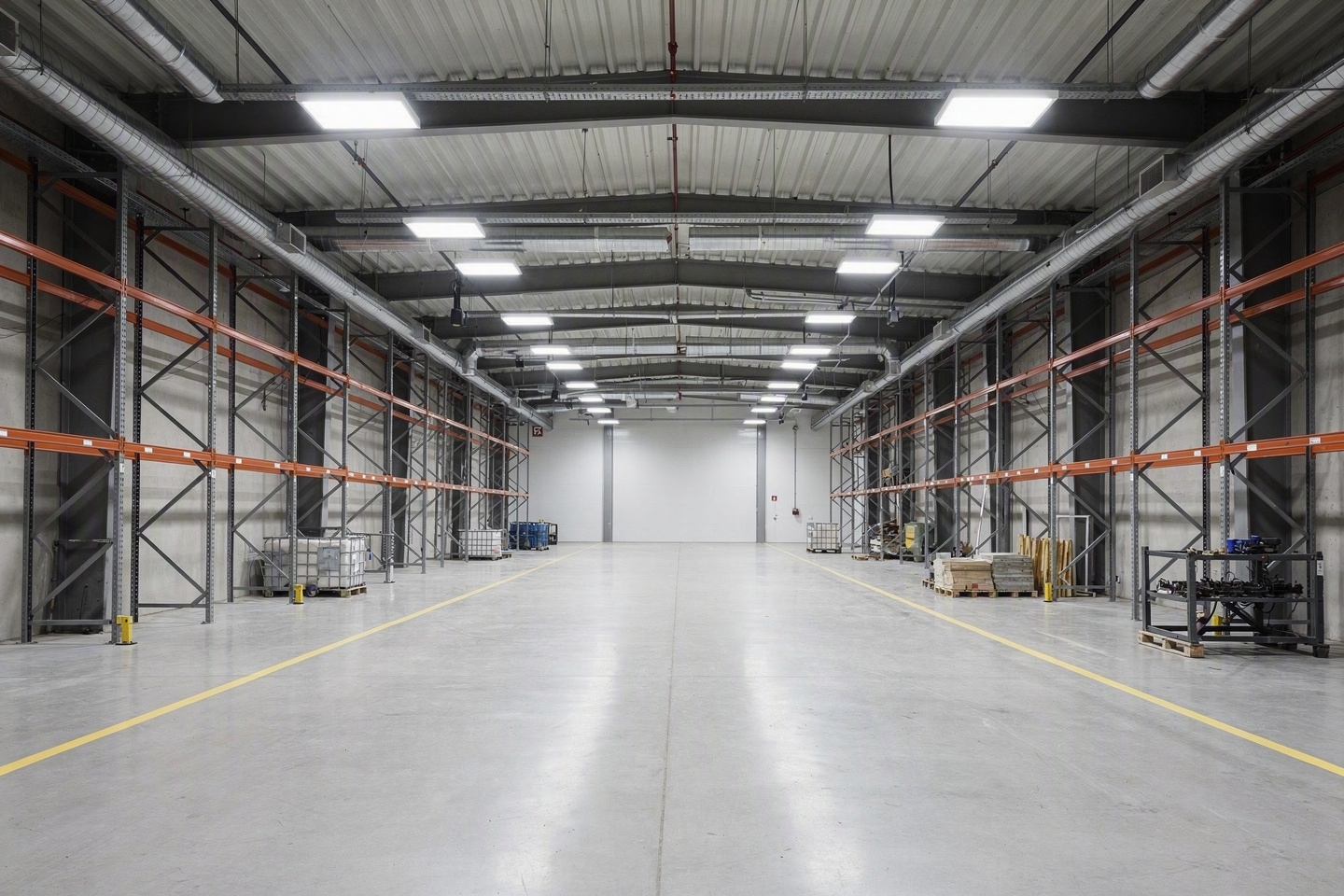
CRI 80 (Ra ≥ 80) is the minimum threshold specified in EN 12464-1 (European standard for workplace lighting) for most commercial and industrial applications. It is the standard CRI grade for office, industrial, outdoor, and basic commercial use. The majority of LED product sold globally falls into the CRI 80 category, and for many applications, it is perfectly adequate.
Where CRI 80 is appropriate:
- Warehouses and logistics facilities where colour discrimination is not critical
- Industrial production areas (except colour-critical manufacturing like paint mixing or textile dyeing)
- Outdoor street lighting, car parks, and security lighting
- Back-of-house areas in hospitality (kitchens, storage, staff areas)
- Corridors, stairwells, and utility spaces
Where CRI 80 is not appropriate:
- Retail selling floors — customer colour discrimination and product appearance are affected
- Hotel guest rooms and public areas — where ambience and skin tone rendering affect guest experience
- Restaurant dining areas — food appearance and guest appearance both affected
- Any application where the end user evaluates colour as part of a purchasing decision
CRI 90: The Commercial Standard for Hospitality and Premium Retail
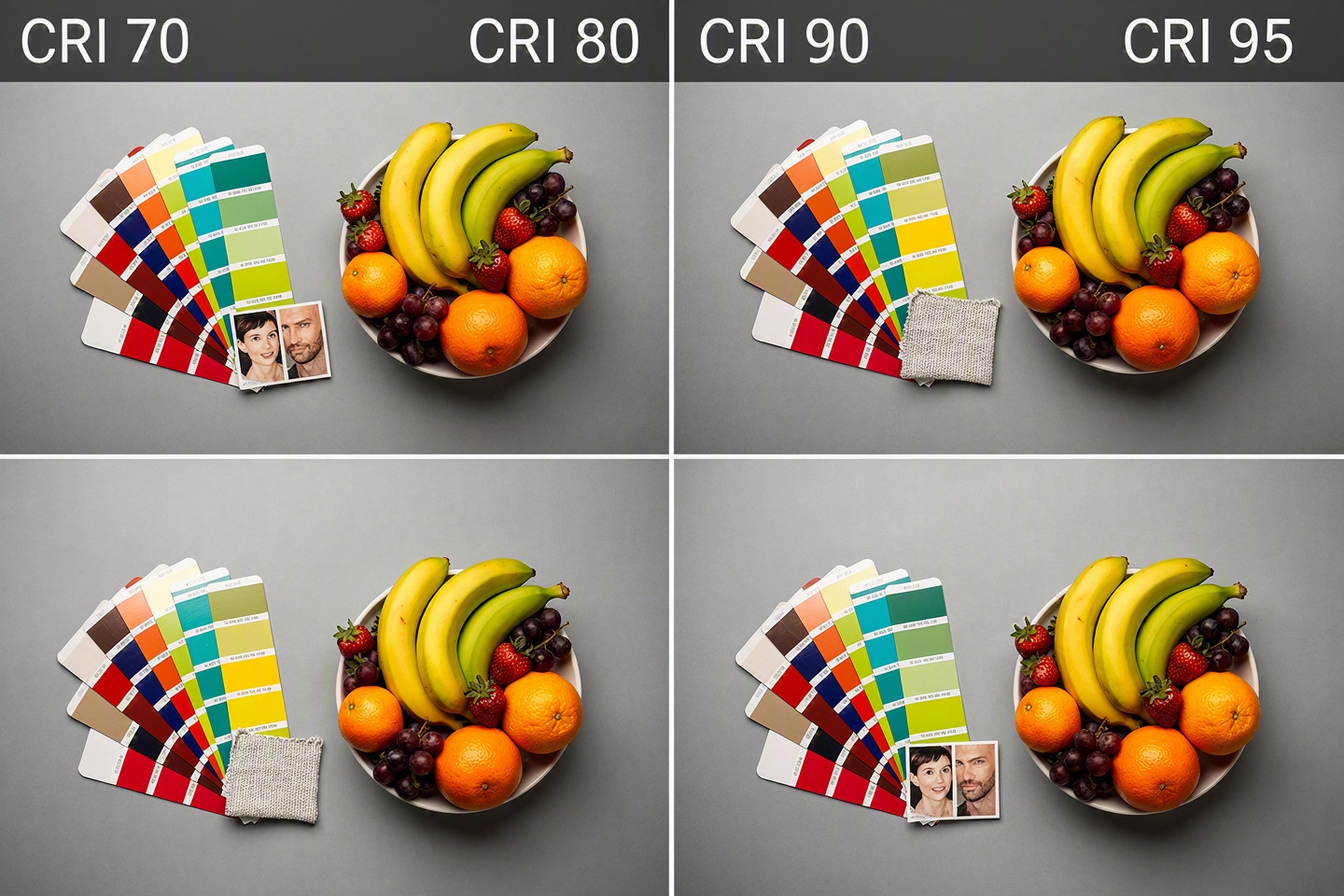
CRI 90 (Ra ≥ 90) is the de facto specification for hospitality, premium retail, and upmarket residential applications. It represents a meaningful perceptual improvement over CRI 80 — particularly in the rendering of red, orange, and skin tones. Most people can detect the difference between CRI 80 and CRI 90 when comparing lit environments side by side, particularly in skin tone flattery and the saturation of warm-coloured objects.
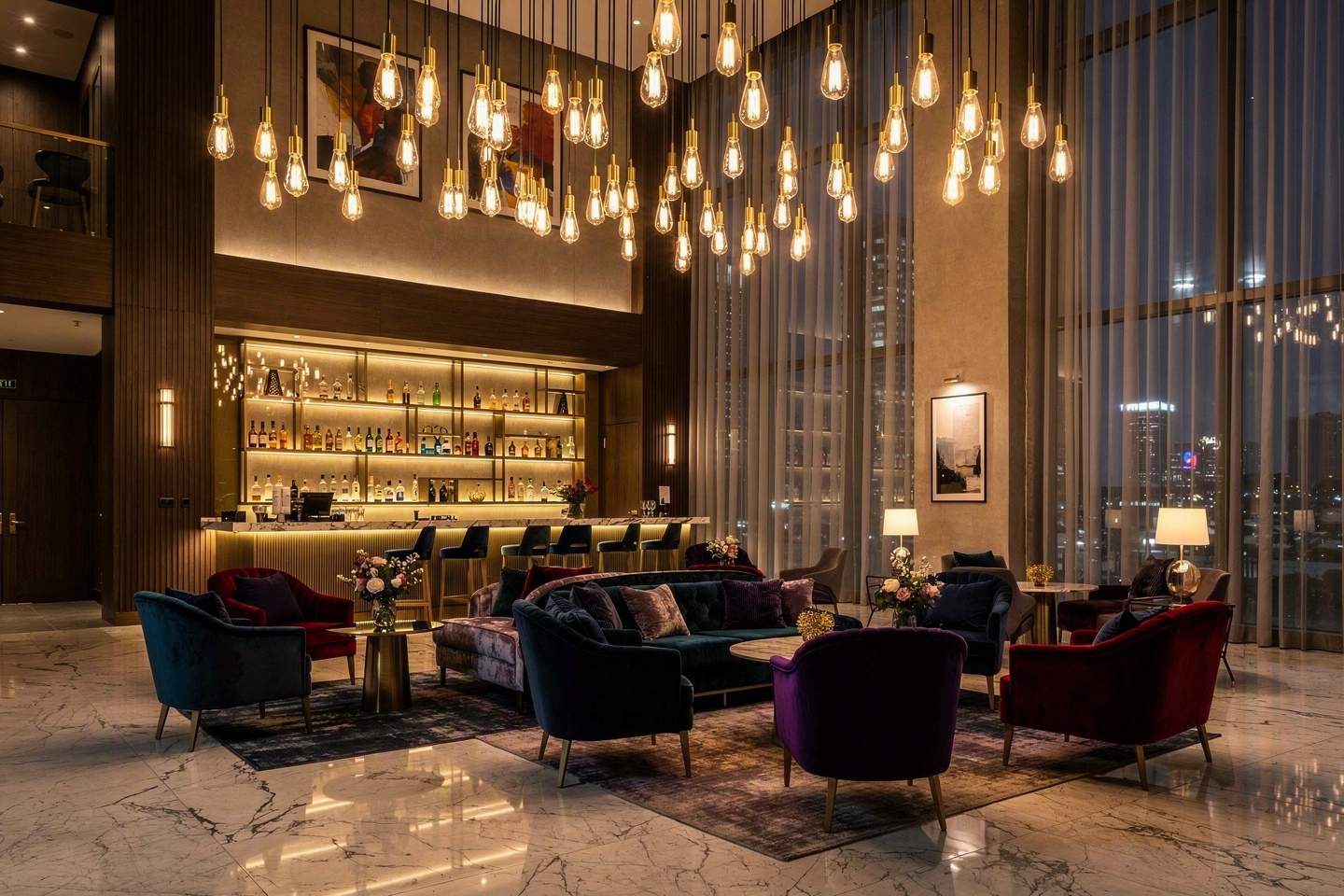
For decorative LED filament applications — restaurant pendants, hotel lobby chandeliers, boutique retail fixtures — CRI 90 is the minimum quality threshold that the end user environment deserves. The cost premium (typically 15–30% at lamp level) is modest relative to the fixture and installation cost and the customer experience impact.
When specifying CRI 90, always check R9 as a secondary specification. A credible supplier will provide R9 data as part of the product datasheet. For hospitality and retail, R9 ≥ 50 should be the target alongside Ra ≥ 90. For skin-tone-critical applications (restaurant, hotel, spa), R9 ≥ 80 is worth specifying explicitly.
CRI 95: Colour-Critical Applications
CRI 95 (Ra ≥ 95) is the specification for environments where accurate colour reproduction is a functional requirement rather than simply a quality indicator. Key applications include:
Medical and Healthcare Environments
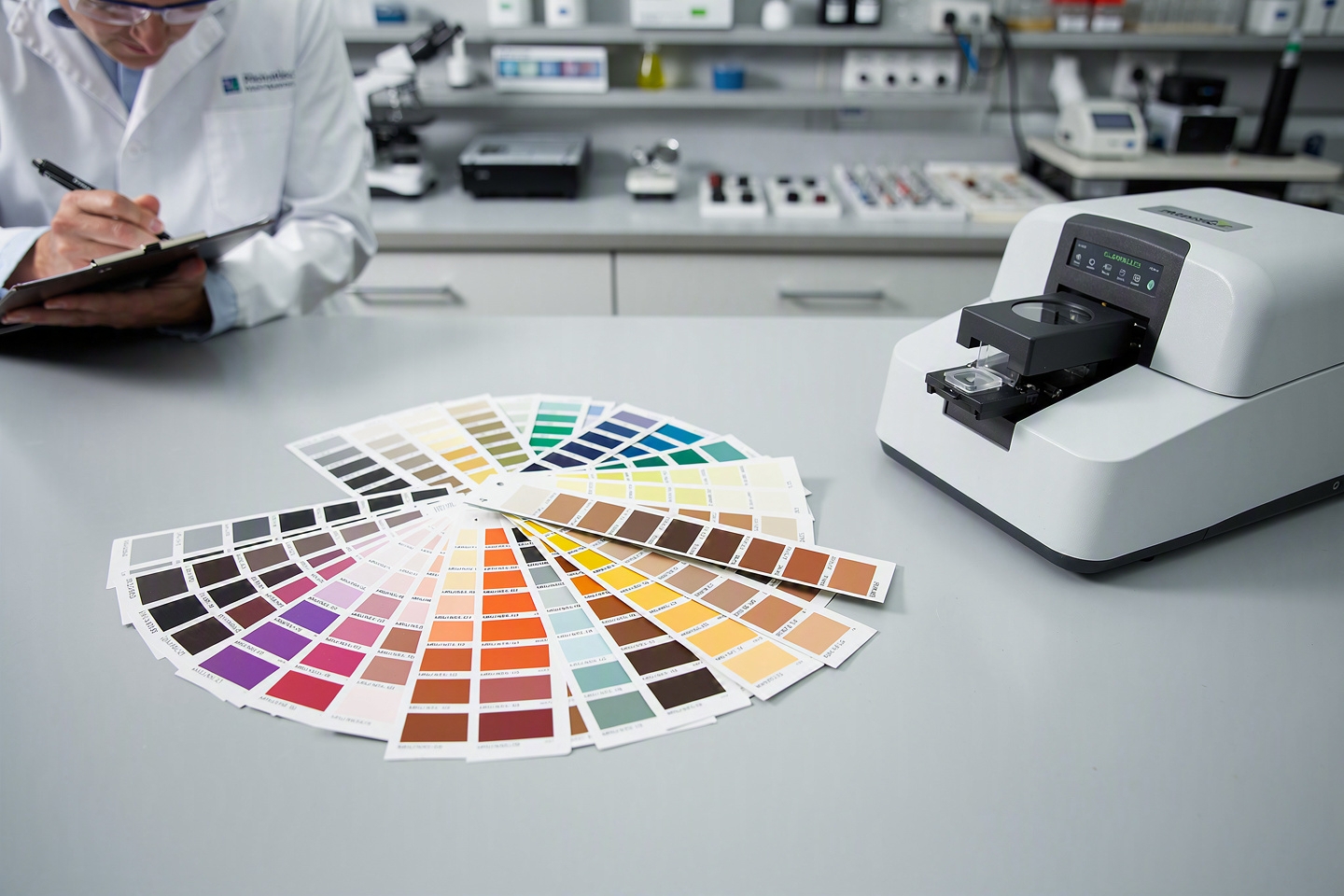
Clinical examination requires accurate assessment of skin colour, mucosa, and tissue — all strongly influenced by red rendering. Many national healthcare standards specify CRI 90+ for examination rooms; high-acuity or colour-critical clinical areas (dermatology, oral surgery, pathology) specify CRI 95 or higher. Some clinical lighting standards also specify R9 ≥ 50 explicitly alongside Ra ≥ 90.
Museums and Art Galleries
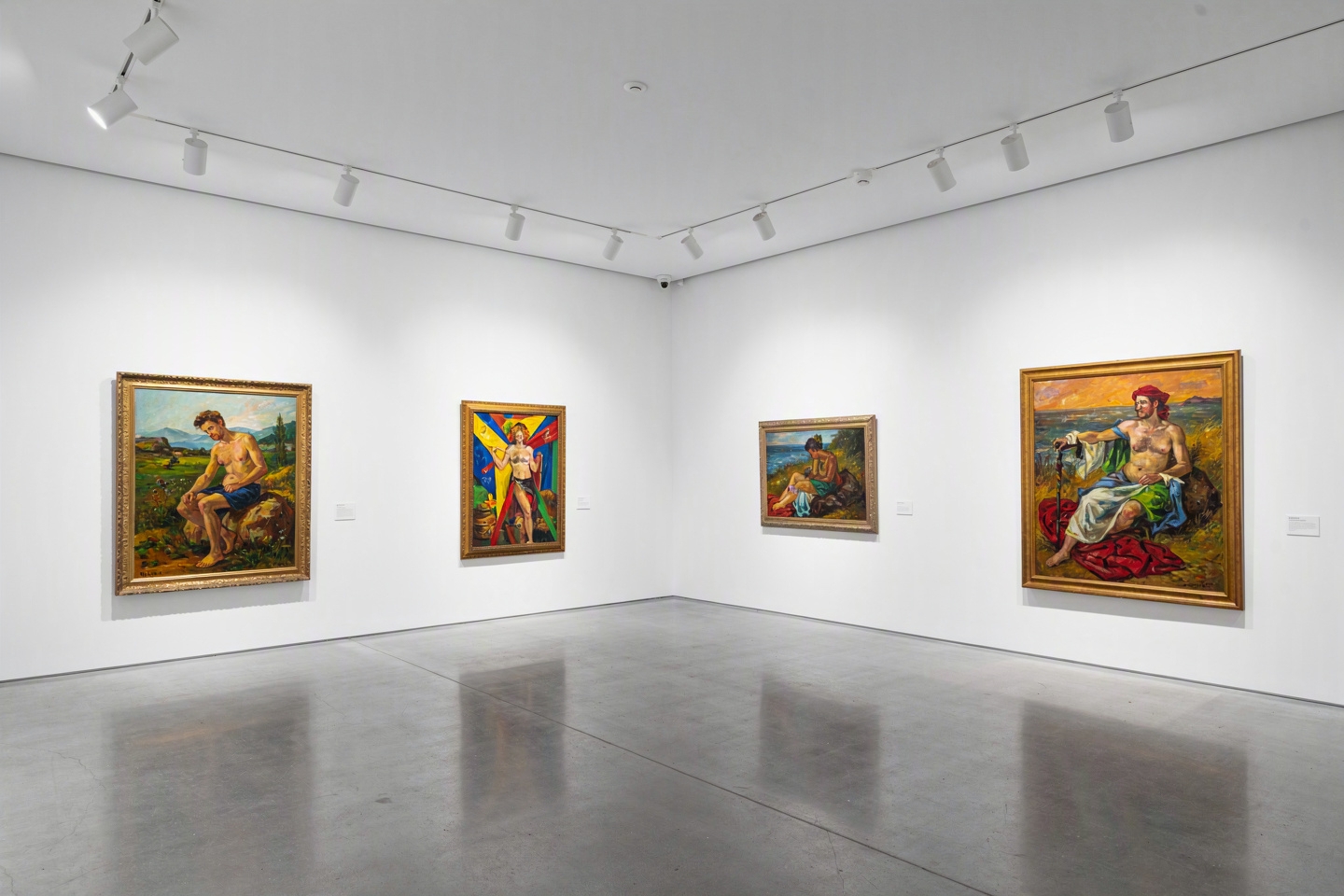
Conservation and accurate colour reproduction in museum lighting is governed by CIE 157 and international museum standards that typically require Ra ≥ 90 with R9 ≥ 50, and often specify Ra ≥ 95 for colour-critical artwork display. The visual impact of oil paintings, textiles, and ceramics depends fundamentally on how accurately the illuminant renders the pigments — many of which are in the red-orange range where R9 is the controlling factor.
Jewellery and Luxury Retail
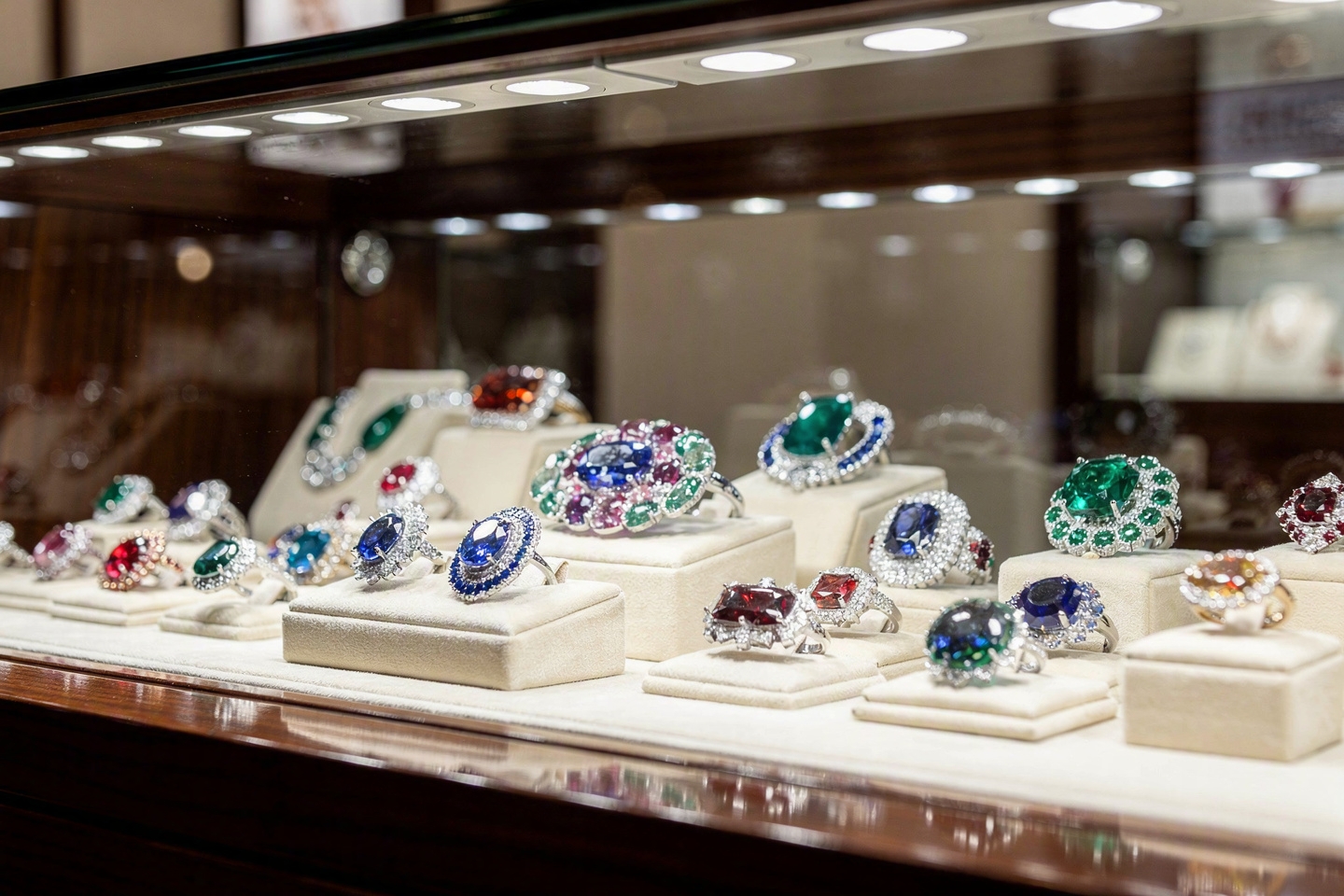
Rubies, garnets, red spinels, and rose gold all require high R9 for accurate rendering. Coloured gemstone display under low-CRI lighting loses saturation and vibrancy — a ruby looks brownish rather than vivid red; a pink sapphire looks pale and washed out. Jewellery retailers selling coloured stones typically specify Ra ≥ 95 with R9 ≥ 80 as a non-negotiable standard for sales floor illumination.

The Full Colour Rendering Test Suite
Beyond Ra and R9, the full CIE 13.3 colour rendering test includes 15 individual rendering indices (R1–R15), each testing a different colour sample. The additional indices beyond R1–R8 include saturated red (R9), yellow-green (R10), green (R11), blue (R12), skin colour (R13), leaf green (R14), and a Chinese complexion (R15). For complete colour fidelity specifications, some standards reference R13 (skin) and R15 (East Asian complexion) alongside R9.
The IES TM-30 system is a newer, more comprehensive colour rendering evaluation framework that uses 99 test colour samples instead of 8 and provides a Fidelity Index (Rf) analogous to Ra and a Gamut Index (Rg) that describes whether the light source over- or under-saturates colours relative to the reference. TM-30 is increasingly referenced in US commercial lighting specifications; European specifications still predominantly use Ra and R9. For LED filament decorative applications, the Ra + R9 combination remains the practical specification standard in most markets.
Application-Specific CRI Specification Guide
| Application | Minimum Ra | Target Ra | R9 Target | Notes |
|---|---|---|---|---|
| Luxury hotel lobby, reception | 90 | 90 | ≥50 | Guest impression, skin tone |
| Hotel guestroom | 90 | 90 | ≥50 | Bathroom especially critical |
| Restaurant dining room | 90 | 90 | ≥80 | Food and guest appearance |
| Spa and beauty treatment | 90 | 95 | ≥80 | Skin assessment functions |
| Fashion and apparel retail | 90 | 90 | ≥50 | Textile colour critical |
| Jewellery retail | 95 | 95 | ≥80 | Gemstone colour accuracy |
| Art gallery / museum | 90 | 95 | ≥50 | Per CIE 157 and local standards |
| Medical examination room | 90 | 95 | ≥50 | Tissue and skin assessment |
| Food retail (fresh, deli) | 90 | 90 | ≥80 | Meat and produce appearance |
| Office, general commercial | 80 | 80 | Not specified | Task performance, not appearance |
| Outdoor festoon, event | 80 | 80 | Not specified | Ambience, not colour accuracy |
Verifying CRI Claims
CRI values are easy to claim and difficult to verify without independent testing. For high-stakes applications, always request LM-79 photometric test data from a CLTC-, IEC-, or equivalent-accredited laboratory. LM-79 reports include the full spectral power distribution (SPD) and all colour rendering indices R1–R15. Verify that the test was conducted on the specific model being ordered — not a similar model or a sample from a different production run.
For initial qualification of a new supplier, field testing with a calibrated spectrophotometer (e.g., a Sekonic C-800 or similar) provides a fast and reliable verification of Ra and R9 claims before committing to a production order.
Related HongYu Bulb product pages
- LED Filament Bulb Product Range → — standard and decorative LED filament bulbs for wholesale and project sourcing.
- CRI Guide for LED Bulbs → — guidance on CRI 80, CRI 90 and CRI 95 project decisions.
- Custom Color Bulbs → — custom glass color, coating and printed finish options for private-label collections.
- Custom Logo Bulbs → — printed branding and private-label decorative bulb options.
- Contact HongYu Bulb → — send specifications, target market, quantity and packaging requirements for quotation.
Conclusion
The CRI specification decision — 80, 90, or 95 — is not a quality ranking that can be resolved without reference to the specific application. CRI 80 is the right choice for utility and industrial applications where colour discrimination is not critical. CRI 90 is the right choice for hospitality, retail, and premium residential where guest or customer experience matters. CRI 95 is the right choice for medical, museum, jewellery, and other colour-critical applications where accurate reproduction is a functional requirement.
But Ra alone is an insufficient specification. Always pair Ra with an R9 target — and verify both with laboratory test data rather than relying on self-certified supplier claims. The difference between Ra 90 with R9 5 and Ra 90 with R9 80 is dramatic and visible, yet both score identically on the most commonly published CRI figure.
HongYu Bulb produces LED filament bulbs in Ra 80, Ra 90, and Ra 95 grades, with R9 data available on all Ra 90+ products. LM-79 test reports are available on request for all grades. Contact us to discuss CRI specifications for your project.