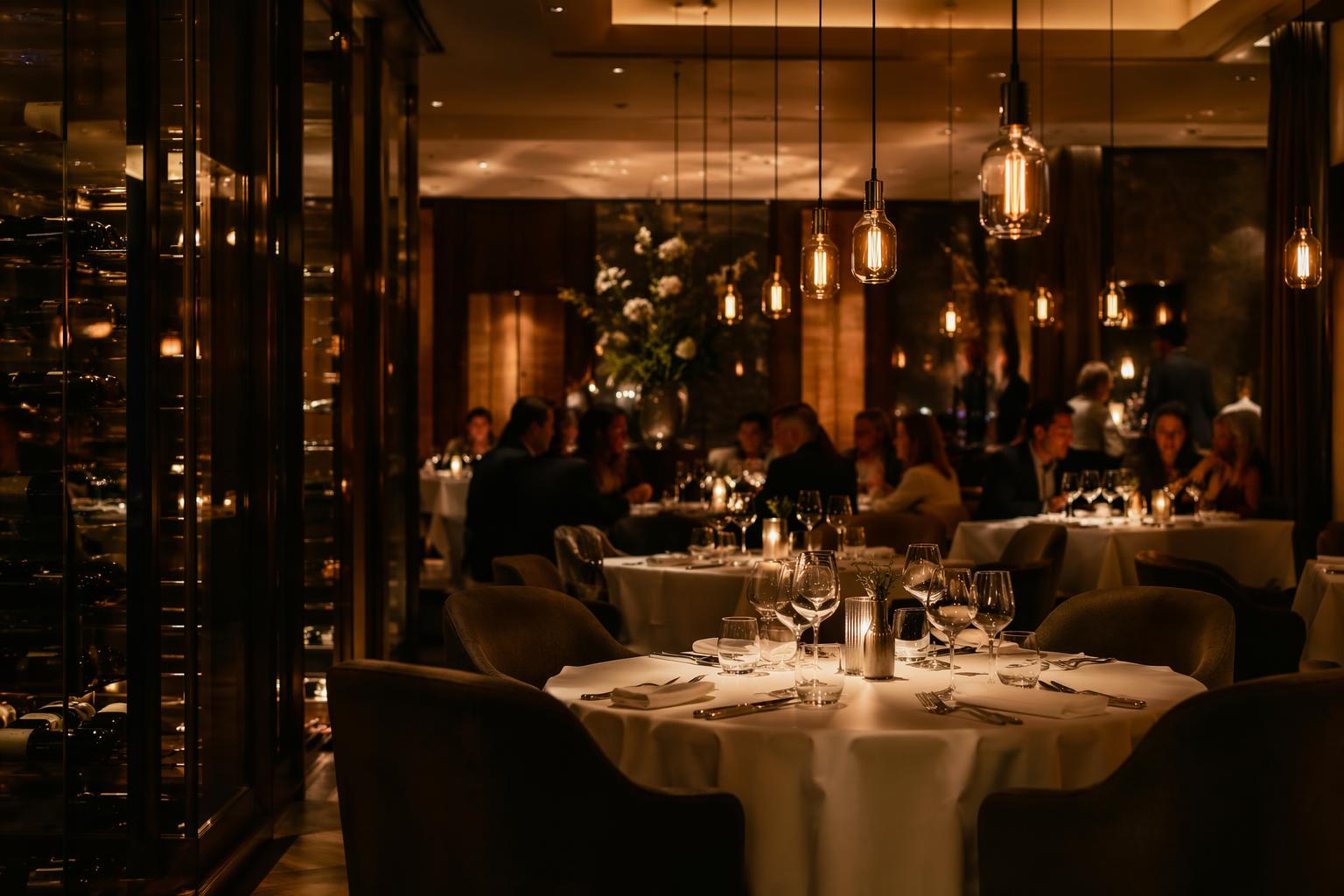
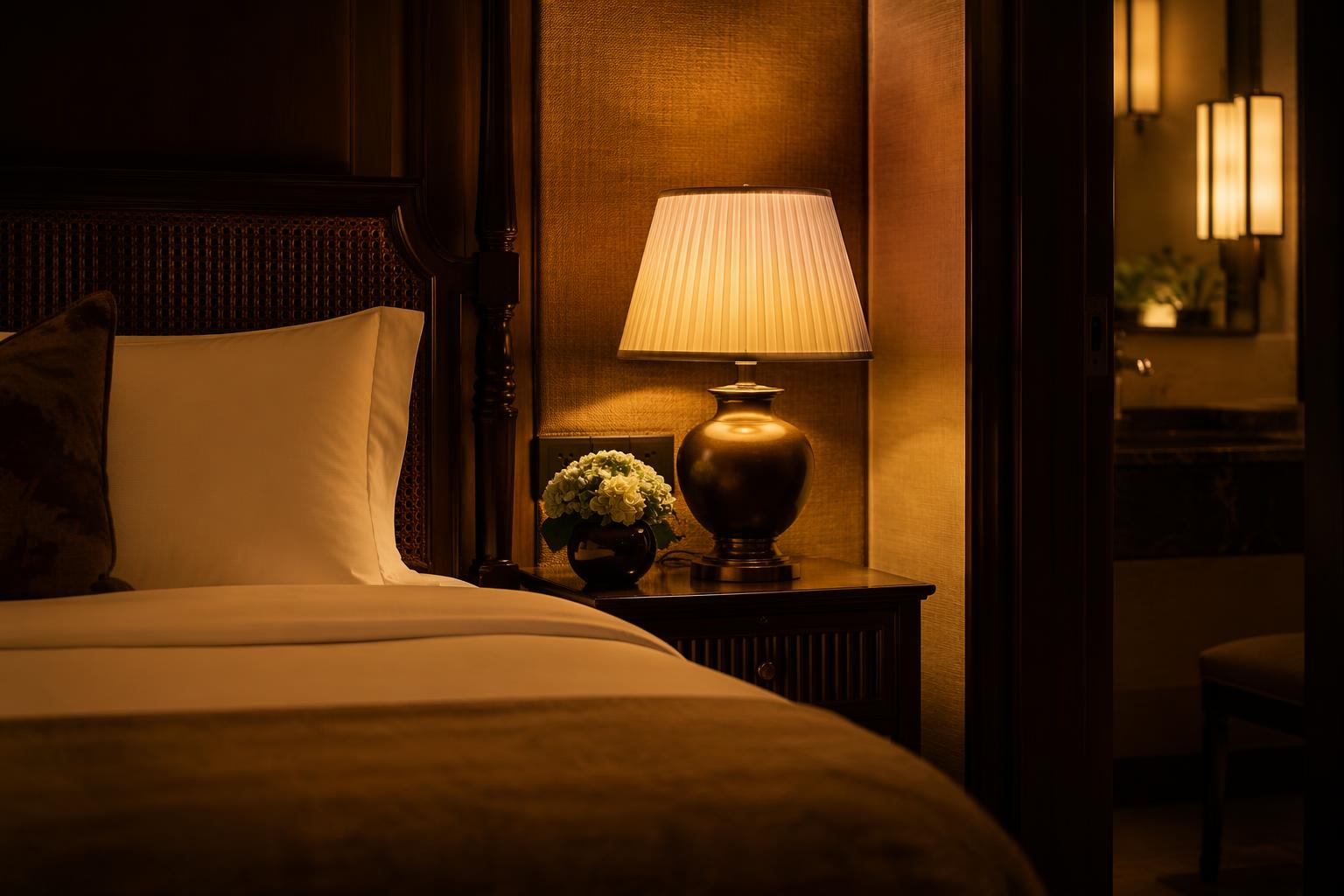
In high-end hospitality, lighting is not an afterthought — it's part of the brand. A Michelin-starred restaurant, a boutique hotel lobby, or a wellness resort spa all share one requirement: the light must feel warm, intimate, and human. Dim-to-warm LED technology is the specification that makes this possible at commercial scale without the energy and maintenance costs of incandescent lighting.
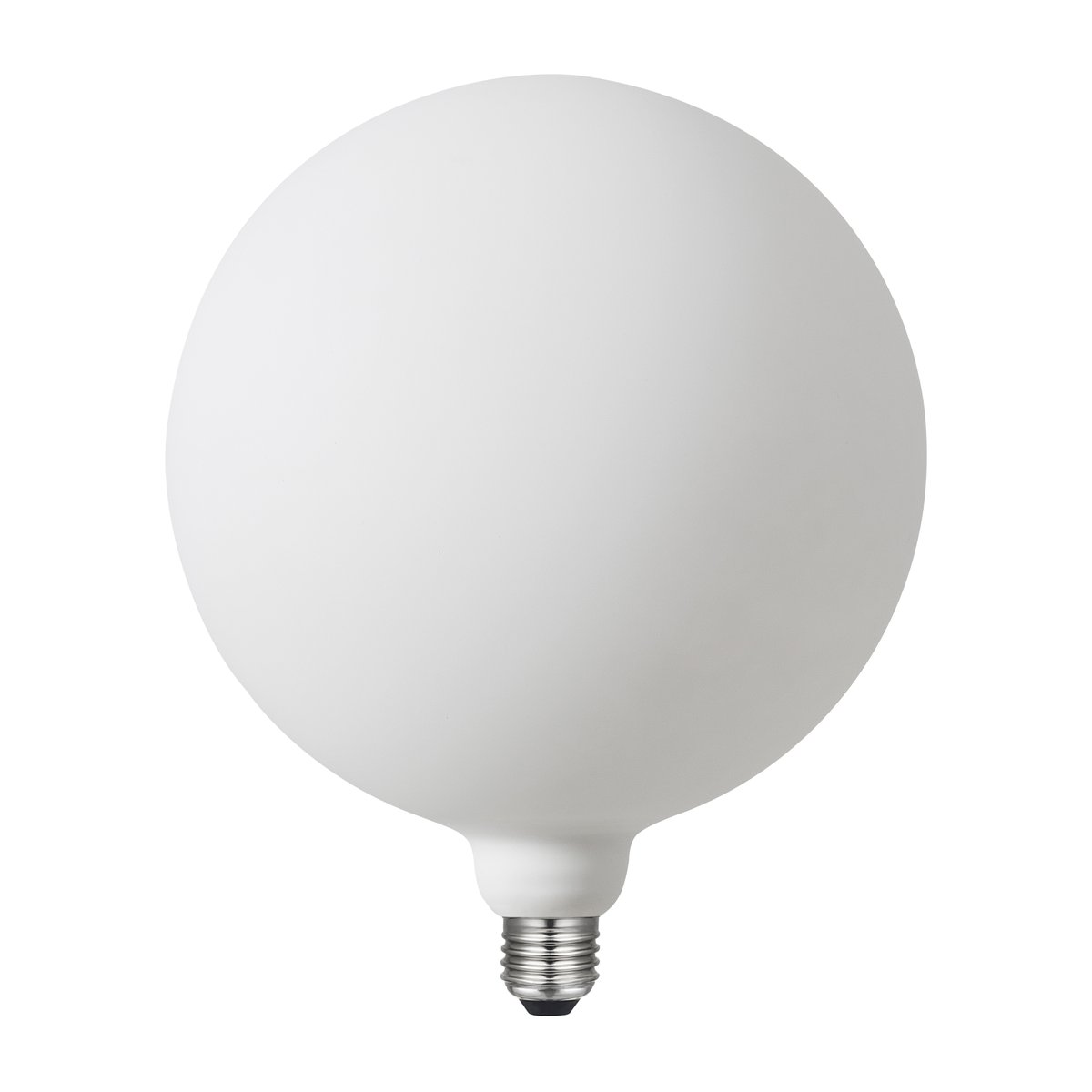
What Is Dim-to-Warm Technology?
Standard LED bulbs maintain a fixed color temperature regardless of dimming level. Set a 2700K LED to 10% brightness and it still emits 2700K light — it just emits less of it. This is fundamentally different from how incandescent and halogen bulbs behave: as you dim them, the filament cools, and the color temperature drops from around 2700K at full brightness to 1800K–2000K at low levels, producing that characteristic warm golden glow.
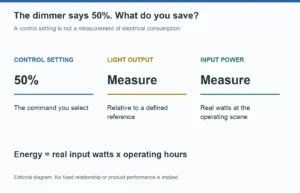
Dim-to-warm LED bulbs replicate this behavior electronically. As the dimmer level decreases, the driver circuit simultaneously reduces lumen output and shifts color temperature — typically from 3000K at 100% to 1800K–2200K at 1%–10% brightness. The result is indistinguishable from incandescent dimming to the human eye.
Why Hospitality Buyers Specify Dim-to-Warm
Guest Experience and Revenue
Research from Cornell's Center for Hospitality Research consistently finds that lighting quality affects perceived food quality, dwell time, and average spend in F&B environments. Warm, low-level lighting in the evening signals "relaxation" — guests stay longer, order more, and rate the experience higher. Fixed-color LEDs at low dimmer levels cannot replicate this because they simply look dim rather than warm.
Eliminating Incandescent Maintenance Costs
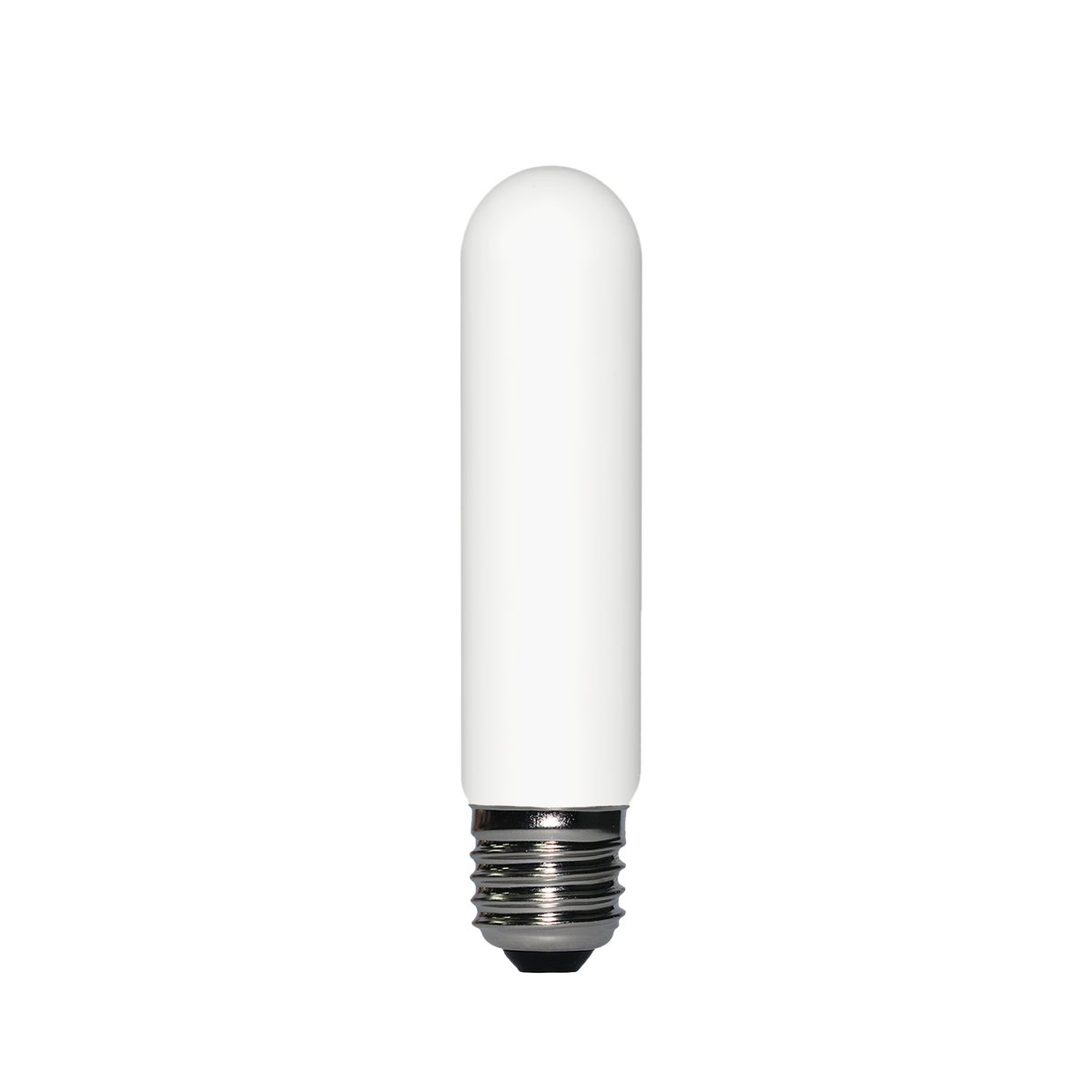
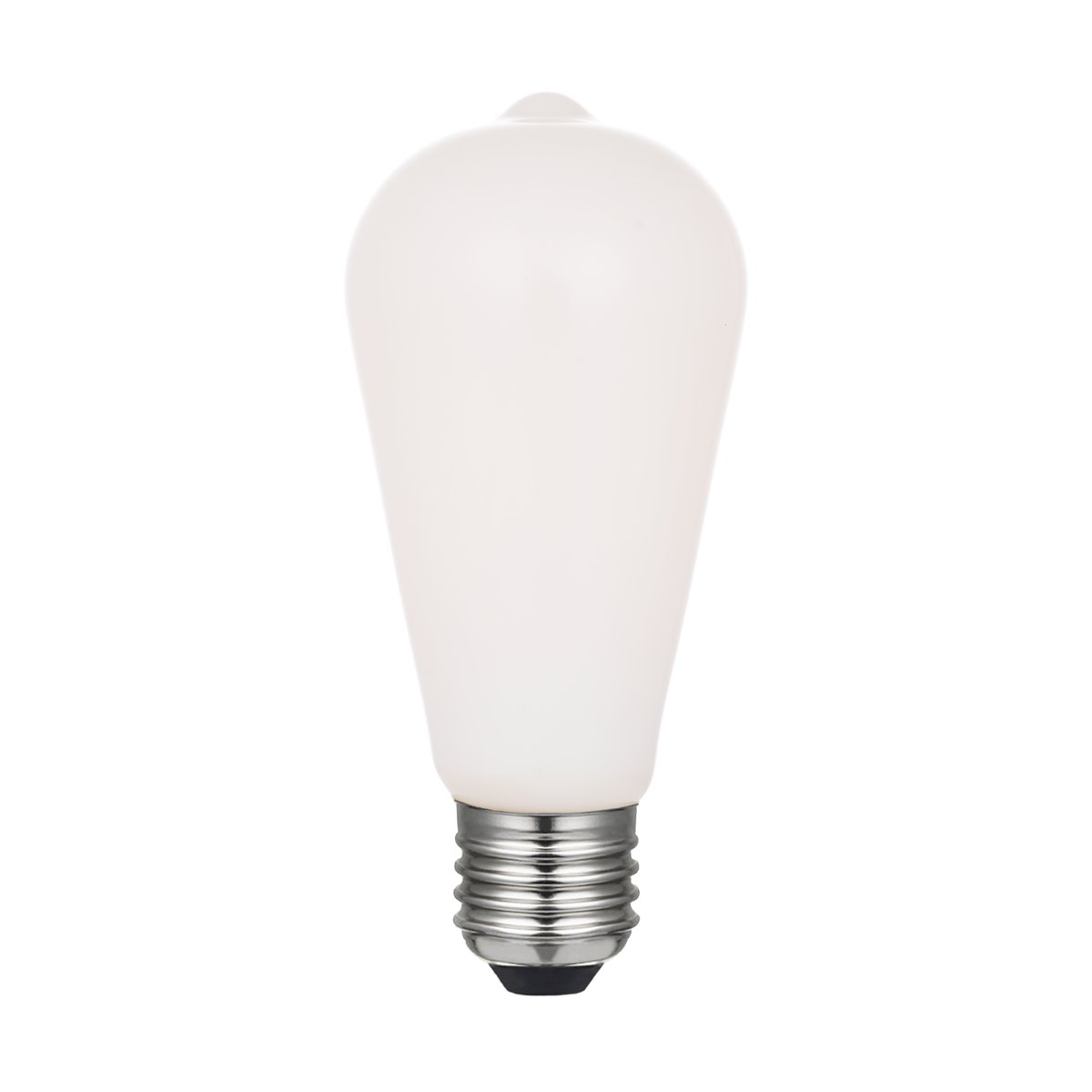
Many luxury hotels retained incandescent or halogen bulbs specifically because guests and designers rejected the static-color behavior of early LEDs. Dim-to-warm eliminates the last reason to stay on incandescent — while delivering 80% energy savings and 15,000+ hour lifespan vs. 1,000–2,000 hours for incandescent equivalents.
Regulatory Compliance
Incandescent and halogen bulbs face increasingly strict energy regulations in both the US and EU. Specifying dim-to-warm LED now ensures hospitality properties remain compliant through future regulatory tightening without requiring another full lighting retrofit.
Key Specifications to Evaluate
Color Temperature Range
The best dim-to-warm products shift from 2700K–3000K at 100% to 1800K–2200K at minimum brightness. Be skeptical of products claiming "dim to warm" that only shift from 3000K to 2500K — this is not a meaningful color shift and will not satisfy designers or guests accustomed to true incandescent dimming.
Dimmer Compatibility
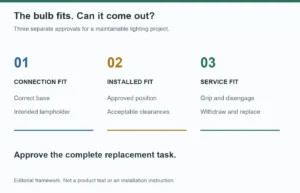
Dim-to-warm bulbs must be paired with compatible TRIAC dimmers (for most residential-style installations) or 0-10V/DALI drivers (for commercial AV-integrated systems). Request a compatibility list from your supplier — a good manufacturer tests with 15–20 common dimmer brands and can provide minimum and maximum load specifications.
Flicker Performance
Flicker at low dimmer levels is the most common complaint about LED dimming in hospitality. Specify bulbs with a flicker index below 0.1 at all dimmer levels, and request IEEE 1789 test data from your supplier. Do not rely on packaging claims alone.
CRI (Color Rendering Index)
For hospitality applications, specify CRI ≥90, R9 ≥50. High R9 (saturated red rendering) is critical for food presentation — it ensures steaks look appetizing, wines look rich, and skin tones appear healthy under your lighting. Many budget dim-to-warm products sacrifice R9 for lower cost.
Recommended Application Areas
- Hotel guest rooms: Bedside reading lamps, ambient pendants, bathroom vanities
- Restaurant dining areas: Table pendants, wall sconces, ambient downlights
- Bar and lounge areas: Feature pendants, back-bar lighting, booth illumination
- Spa and wellness: Treatment room ceiling lighting, relaxation area pendants
- Hotel lobbies: Statement chandeliers, reception desk lighting, seating area pendants
Ordering at Scale
For hotel group rollouts, consistency is critical. Color temperature variation between rooms — even small differences — is immediately noticed by guests and generates complaints. When placing a large hospitality order, request tight binning (within 2 MacAdam ellipses) and specify that all bulbs in the order must come from the same production batch or be binned and matched before shipment.
Case Study: A Boutique Hotel Group Cuts Lighting Maintenance by 82%
A 340-room boutique hotel group operating four properties in Southern Europe was spending approximately €38,000 per year on lamp replacements in guest rooms and F&B spaces — primarily halogen bulbs in bedside lamps, bathroom vanities, and restaurant pendant fixtures. Halogens were retained specifically because designers and the F&B director insisted on the warm dimming behavior that early LED replacements could not replicate.
In 2023, the group's facilities manager ran a pilot in one property: 1,200 dim-to-warm LED filament bulbs (2700K→1800K shift, CRI 92, Ra9 ≥55) across all guest rooms and the main restaurant. The dimming system used TRIAC dimmers already installed — no infrastructure changes required.
Results after 12 months:
- Zero bulb replacements in the pilot property (vs. an average of 280 replacements in the equivalent period previously)
- Maintenance labor cost reduction: €6,200 per property per year
- Energy consumption in lit areas: down 74%
- Guest satisfaction scores for room lighting: up 0.4 points on a 5-point scale
The group rolled out dim-to-warm across all four properties in 2024. Total capital outlay: €21,000. Payback period based on energy and maintenance savings alone: 14 months.
Frequently Asked Questions
What color temperature shift qualifies as true "dim to warm"?
A meaningful dim-to-warm shift runs from at least 2700K–3000K at 100% brightness to 2000K–2200K at minimum brightness. Products that only shift from 3000K to 2500K do not replicate incandescent behavior and will not satisfy designers or guests expecting a warm-dim effect. The full shift should be visible to the naked eye — not just measurable with a colorimeter.
Can dim-to-warm bulbs work with standard TRIAC dimmers?
Most dim-to-warm LED filament bulbs are compatible with leading-edge (TRIAC) dimmers. However, compatibility varies by dimmer brand and minimum load. Always request a tested compatibility list from your supplier. Common compatible brands include Lutron, Leviton, and Varilight. For installations with very low total wattage (under 10W), you may need a trailing-edge (ELV) dimmer to avoid flicker at low levels.
Are dim-to-warm bulbs significantly more expensive than standard dimmable LEDs?
Expect a 25–45% price premium over equivalent standard dimmable filament bulbs. The premium reflects the more complex driver circuit required to simultaneously reduce lumen output and shift color temperature. At hospitality scale, this premium is typically recovered in 12–18 months through energy and maintenance savings versus halogen alternatives.
What base types are available for dim-to-warm filament bulbs?
E27 (EU standard) and E26 (US standard) are most common. E14 (small Edison screw, common in European decorative fixtures) and B22 (bayonet, common in UK and some Asian markets) are also available from specialized manufacturers. Confirm base type availability before specifying for a project — not all manufacturers stock all base types in dim-to-warm.
Is there a risk of color inconsistency between individual dim-to-warm bulbs?
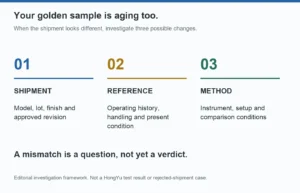
Yes, and this is the most common complaint about dim-to-warm LED bulbs in hospitality installations. Color temperature at a given dimmer setting can vary between production batches, and even between bulbs in the same batch if the manufacturer does not sort by color bin. Always request tight binning (≤3 MacAdam ellipses) and specify same-batch production for large orders. Request a pre-shipment sample of 5–10 bulbs from the actual production run before it ships.
Browse from HongYu Bulb: EU Dim to Warm LED Bulbs (CE) → · US ETL Dim to Warm Bulbs →
Sourcing LED filament bulbs at wholesale? HongYu Bulb is a China-based LED manufacturer supplying wholesalers, importers, and hospitality brands worldwide. Request a quote → or browse our full LED filament bulb range →.
Related HongYu Bulb product pages
- LED Filament Bulb Product Range → — standard and decorative LED filament bulbs for wholesale and project sourcing.
- EU Dim-to-Warm Bulbs → — warm dimming filament bulbs for hospitality and mood lighting.
- LED Dimming Guide → — technical guidance for TRIAC dimming, flicker and compatibility.
- Contact HongYu Bulb → — send specifications, target market, quantity and packaging requirements for quotation.