S14d linear LED bulbs are often searched as a decorative linear lamp, but their most important commercial use is mirror-front lighting: bathroom mirror lights, vanity mirror fixtures, dressing-room mirrors, hotel guest-room mirrors, salon mirrors and slim wall-mounted linear luminaires.
This buyer's guide explains how to specify S14d lamps for mirror lighting projects, what information to request from a supplier, and which mistakes cause poor light quality or installation problems.
Where S14d Linear Bulbs Are Actually Used
The S14d format is best understood as a fixture-specific lamp. It is not a generic decorative bulb that can be dropped into any lighting system. The typical buyer is sourcing for one of these applications:
- bathroom mirror lights and mirror cabinets
- hotel vanity mirrors and guest-room bathroom mirrors
- dressing-room and fitting-room mirrors
- salon, beauty and makeup mirrors
- linear wall lights and picture lights where a slim lamp is required
- OEM mirror-light fixtures that need a replaceable linear lamp
The Core Specification: Fit Comes First
Before discussing wattage or price, confirm the physical format. For S14d, the wrong base or length makes the lamp unusable even if the electrical specification looks correct.
- Base type: confirm S14d double-contact base and lampholder compatibility.
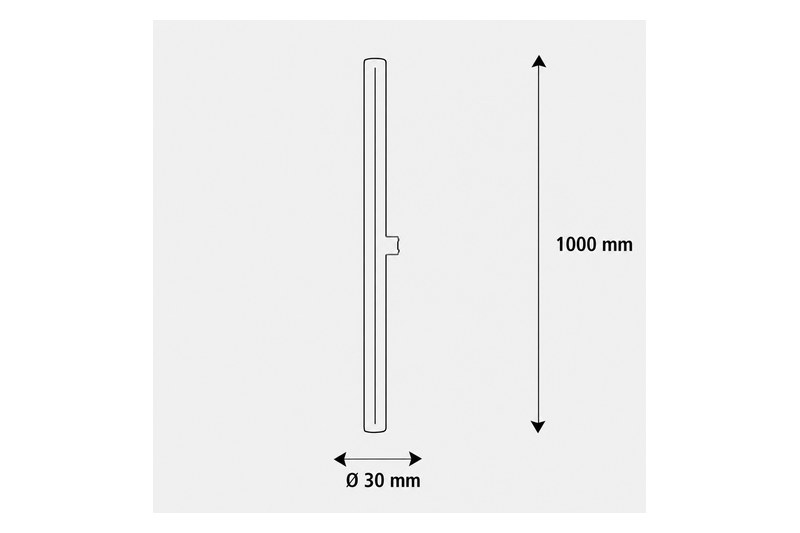
- Length: common project lengths include 300mm, 500mm and 1000mm, but the fixture drawing should decide.
- Diameter: check clearance inside the mirror light housing, glass cover or diffuser.
- Contact position: confirm the lamp seats correctly and does not twist, loosen or create poor electrical contact.
- Voltage: specify the actual market voltage or driver output used by the fixture.
Light Quality for Mirror Use
Mirror lighting is judged on the face, not only on the fixture. A lamp can look bright on a test bench but still perform poorly if it creates harsh shadows, visible stripes, glare in the reflection or inconsistent color between lamps.
For most vanity and hotel mirror projects, 2700K to 3000K gives a warm, comfortable impression. For beauty, makeup, salon or fitting-room mirrors, 3000K to 4000K may be chosen when clearer color evaluation is needed. CRI should be specified carefully: Ra 80 is a baseline, but Ra 90 is a better choice where skin tone, makeup, textiles or retail presentation matter.
Clear vs Diffused Glass
Clear S14d lamps show the filament and can look attractive in a decorative mirror fixture. But if the lamp is directly visible in the mirror, the filament may create glare or distracting reflections. Frosted, opal or warm-white diffused glass can give a softer line of light and a more premium mirror experience.
For hotels and salons, ask for samples in the actual fixture before confirming volume production. Evaluate the lamp from normal standing distance, seated distance and side angle. The important question is not whether the lamp looks good alone; it is whether the mirror lighting makes the user's face look natural and comfortable.
Dimming and Driver Compatibility
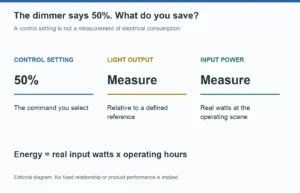
If the mirror fixture includes dimming, confirm the system before ordering. Dimming problems usually come from a mismatch between lamp electronics, driver output, dimmer type and minimum load. Symptoms include flicker, shimmer at low levels, delayed startup, buzzing or lamps dropping out before reaching the lowest dimming level.
For OEM mirror-light projects, provide the supplier with the dimmer model, input voltage, driver details and required dimming range. For replacement lamp projects, test at least several samples in the actual fixture before approving a bulk order.
Bathroom and Hospitality Requirements
Bathroom mirror lighting must be evaluated as a complete fixture system. A loose S14d lamp specification does not by itself determine whether the installed mirror light is suitable for a humid bathroom. The fixture housing, seals, lampholder, wiring and installation zone all matter.
For hospitality projects, the main risks are inconsistent color between rooms, short lifetime from poor thermal design, and difficult replacement if the lamp is not matched to the fixture. A clear specification reduces these problems before production starts.
What to Ask Your Supplier
- Can you confirm S14d base dimensions with a drawing?
- Which lengths are available for this lamp family?
- What CCT and CRI options are available for mirror lighting?
- Can you provide clear, frosted, opal or warm-white diffused versions?
- What is the lumen output and wattage for each length?
- Is the lamp suitable for dimming, and with which dimmer type?
- What batch consistency controls do you use for CCT and brightness?
- Can you provide samples for testing in the actual mirror fixture?
- What certifications are available for the target market?
Common Mistakes in Wholesale Orders
- Describing the lamp only as "linear bulb" without confirming the S14d base.
- Selecting a clear lamp when the mirror reflection makes glare obvious.
- Ignoring CRI in makeup, salon and fitting-room applications.
- Approving samples outside the fixture instead of testing inside the mirror light.
- Mixing batches across one hotel or retail project.
- Failing to confirm dimming compatibility before production.
Related HongYu Bulb Product Pages
- S14d Linear LED Bulbs → - linear lamps for vanity mirror lights, mirror-front fixtures and slim wall luminaires.
- EU Edison Tubular Bulbs → - useful for wall lights and narrow decorative fixtures where tubular lamps are required.
- EU Standard Filament LED Bulbs → - standard decorative bulbs for the same hotel, bathroom or residential project package.
- LED Dimming Explained → - helpful when mirror fixtures include dimming control.
Conclusion
S14d linear LED bulbs should be specified as mirror-lighting lamps first: fit, base compatibility, glare comfort, CCT, CRI, dimming behavior and batch consistency are the details that decide whether the final mirror fixture feels premium or problematic.
For S14d mirror light projects, send HongYu Bulb the fixture drawing, lamp length, voltage, target CCT, CRI grade, glass finish preference, dimming requirement and estimated order quantity. We can help match the lamp to the mirror fixture before production starts.
References
- International Electrotechnical Commission, IEC standards for electrical and lighting products.
- International Commission on Illumination, CIE lighting and color terminology resources.
- U.S. Department of Energy, lighting efficiency and bulb selection guidance.