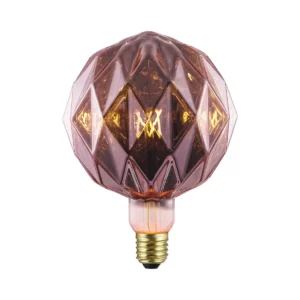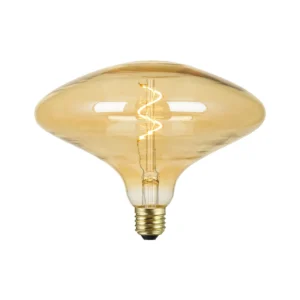
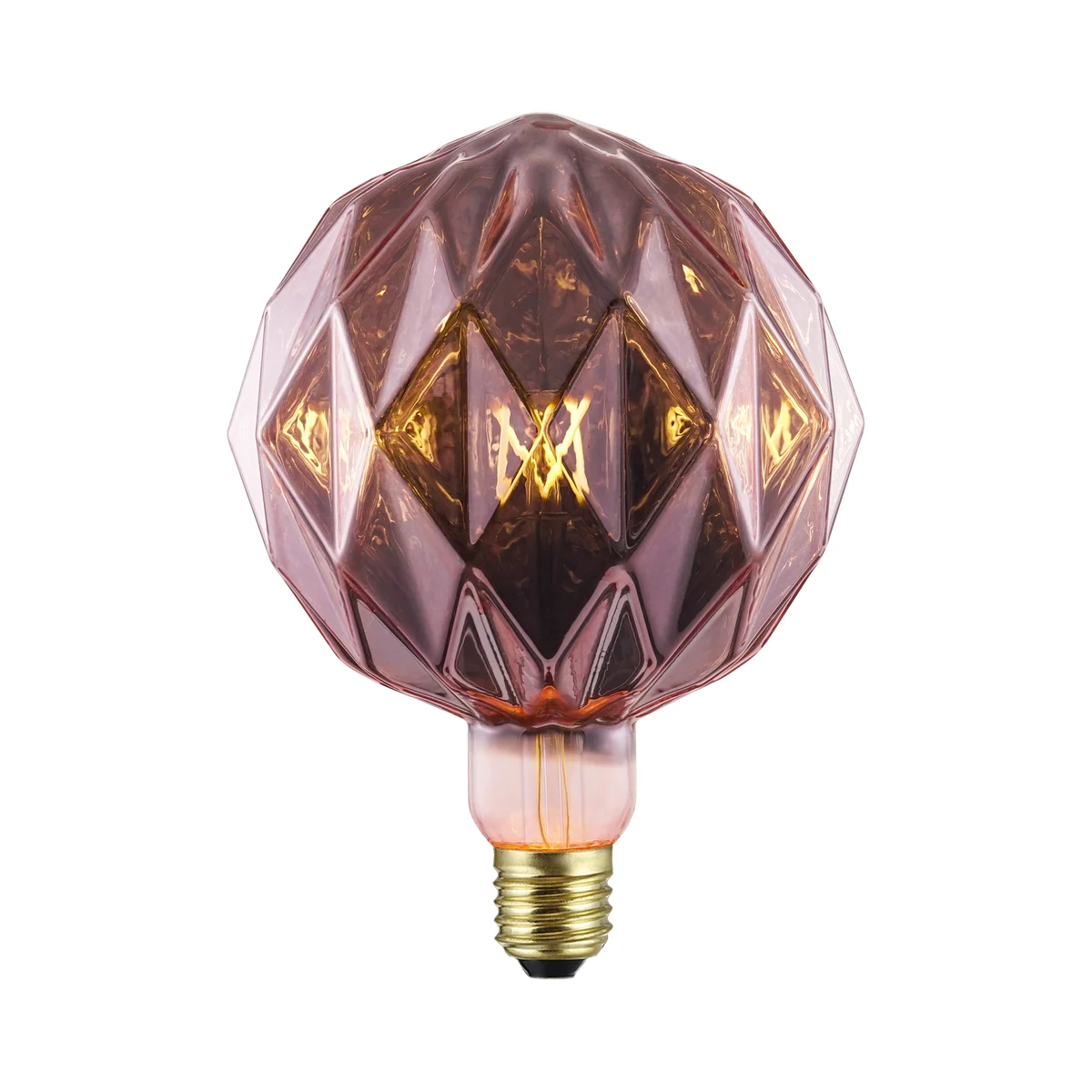
A copper-colored bulb can make a simple pendant feel like a coordinated product. A silver-finish globe can connect the light source with polished hardware instead of leaving the bulb as an unrelated component. For a fixture brand, the opportunity is to make the lamp part of the material palette, not merely the source of illumination.
But a quotation that says "copper bulb, copper holder" leaves an important decision unresolved. Should the two surfaces look nearly identical, should they belong to the same warm family, or should one intentionally contrast with the other?
Our recommendation: approve the relationship between the bulb and the fixture, not the finish name in isolation. HongYu's copper and silver catalogue options give buyers real products to compare. A clear matching objective makes those choices easier to turn into a sample approval and a coherent collection.
Decide Whether You Need a Match, a Coordination or a Contrast
These are three legitimate design briefs. They should not share one vague acceptance instruction.
| Design objective | What the customer should see | What to approve |
|---|---|---|
| Close visual match | Bulb and hardware appear closely related in tone and surface character | The actual pair under agreed lighting and viewing conditions |
| Coordinated palette | Different materials belong to one warm or cool visual family | The preferred relationship, including acceptable differences in gloss and depth |
| Deliberate contrast | The bulb is a distinct accent against the fitting | The contrast that should remain visible, rather than accidental near-matching |
For example, a glossy copper-colored glass envelope may complement brushed warm-metal hardware without resembling the same material. That can be the intended design. Calling it an "exact match" would create the wrong approval target.
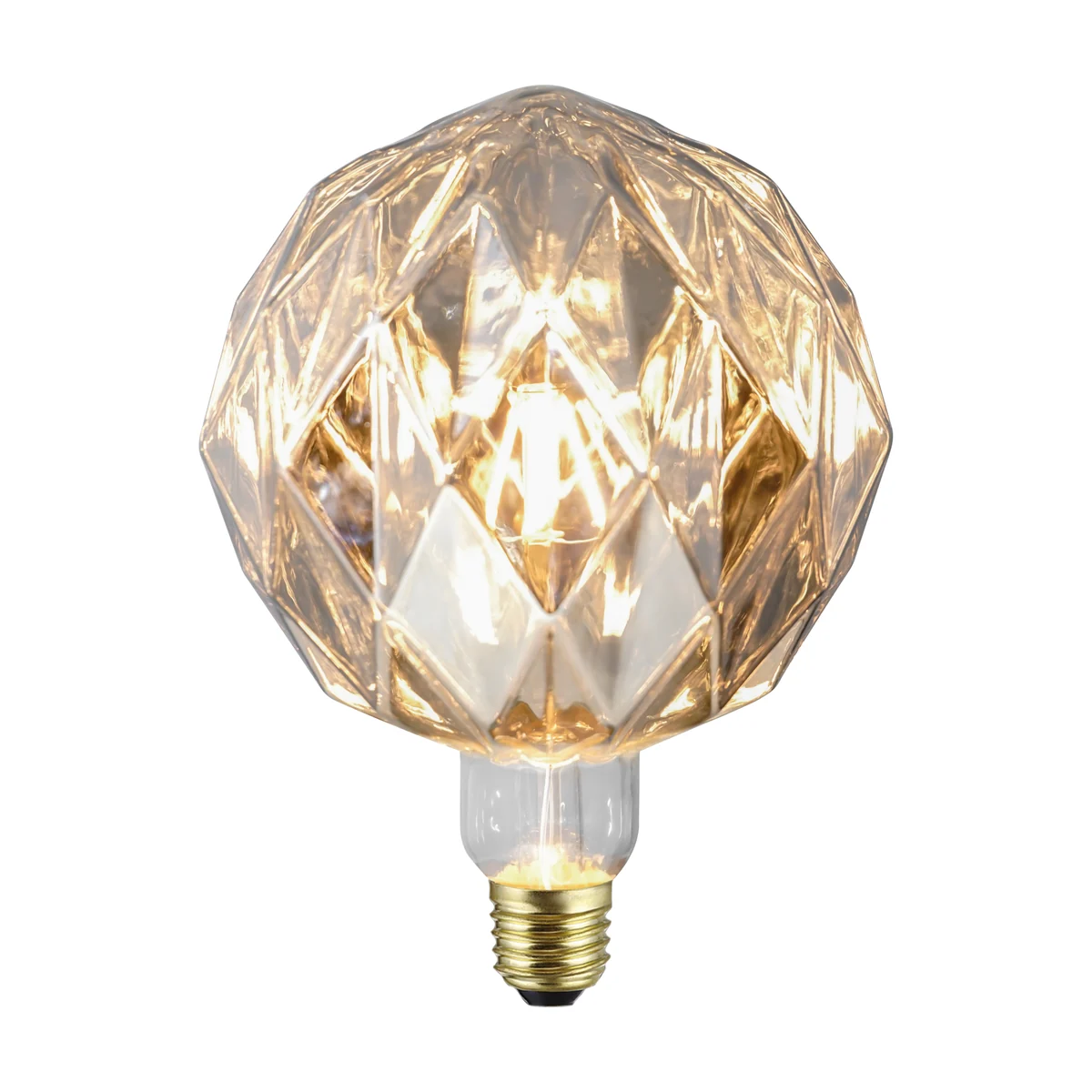
HongYu's custom-color decorative bulb range includes copper G150, A165, SD125 and SD130 models, plus silver G150 and A165 options. This offers more than a choice between two color names: a brand can compare the finish relationship on different proportions before defining its collection.
Selection judgment 1: write one sentence describing the intended relationship. "A warm copper accent beside brushed brass" is a different brief from "a close visual match to this copper holder." Neither is more professional; the useful distinction is that the supplier knows what success means.
Send a Physical Pair, Not Only a Screen Swatch
A digital reference is useful for beginning a discussion. It does not fully specify gloss, transparency, surface texture or the reflected surroundings of curved glass. Even a physical flat color chip does not show how the finished bulb and fixture will look together.
Send a representative piece of the actual hardware where practical, identify its finish and revision, and state whether it is the fixed reference or a component that may also change. Ask for the bulb sample to be reviewed beside that reference.
Konica Minolta's guidance on coatings explains the value of controlled viewing and metamerism: samples can match under one light source and differ under another.[1] That principle supports checking the intended viewing conditions; it does not mean every difference in two photographs is metamerism.
A reflection, a changed angle, camera processing or a different background can also change the comparison. Before requesting another color sample, reproduce the viewing setup and confirm what is actually different.
Selection judgment 2: identify which reference controls the decision. A hardware sample, a color chip and a photograph can disagree. Decide which is the target and which are supporting communication aids before sampling.
Review the Pair in Three Conditions
The following is a practical buyer-review method, not a standardized color-measurement protocol. Keep the same identified bulb and hardware reference throughout the comparison.
| Review condition | Setup | Decision to record |
|---|---|---|
| Controlled unlit comparison | Bulb off, reference beside it, agreed external light and neutral surroundings | Does the basic tone and surface relationship meet the brief? |
| Installed unlit comparison | Bulb in the proposed fitting, viewed from normal user positions | Do shape, reflections and visible hardware still form the intended pair? |
| Installed illuminated comparison | Same fitting with the bulb operating at the intended scene | Does the lit effect preserve the collection's intended identity? |
In the first condition, keep the light source, distances and background consistent. View both samples together rather than comparing one today with a remembered image of the other. If the product is meant for two substantially different lighting environments, repeat the paired comparison in both and name them in the record.
In the second condition, move to the fixture's normal viewing positions. A globe beside a small holder may show a large bright reflection while the holder looks darker. The whole pair can still be visually coherent. Judge the relationship the customer sees rather than demanding that every point on both surfaces have the same brightness.
In the third condition, check the bulb's own light as well as its visible surface. A metallic-looking envelope and a warm emitted color are separate choices. The finish name does not replace the selected model's CCT, finished lumen output or control specification. For a dimmed collection, include the intended low scene only with the confirmed dimmable configuration and appropriate control.
Selection judgment 3: do not let one successful view approve all three conditions. The tabletop comparison answers a different question from the installed, illuminated product.
Separate a Reflection From a Persistent Finish Difference
Curved glass and fixture metal do not present identical surfaces to the light. HunterLab's explanation of object appearance distinguishes color, gloss and viewing geometry; it describes why the direction of specular reflection matters when evaluating gloss.[2]
Use a simple diagnostic before asking for a finish adjustment. Hold the illumination and background fixed, then change the viewing direction slightly. Where possible, exchange the positions of the sample and reference without changing their orientations. Observe whether the apparent difference follows the location or remains associated with the same product.
A bright patch that moves with the reflection is a reason to examine geometry, not immediate proof of a coating mismatch. A persistent difference in the agreed comparison conditions is a reason to investigate the finish or sample identity. This check helps frame the next question; it does not replace an agreed measurement method where numerical acceptance is required.
Avoid specifying a universal color-difference limit without also defining how the curved, potentially transmitting product will be measured. The instrument, measurement geometry, positions and treatment of gloss must be appropriate to the material and agreed with the supplier. A number without a reproducible method does not settle a visual disagreement.
Carry the Finish Across Shapes Without Flattening Their Character
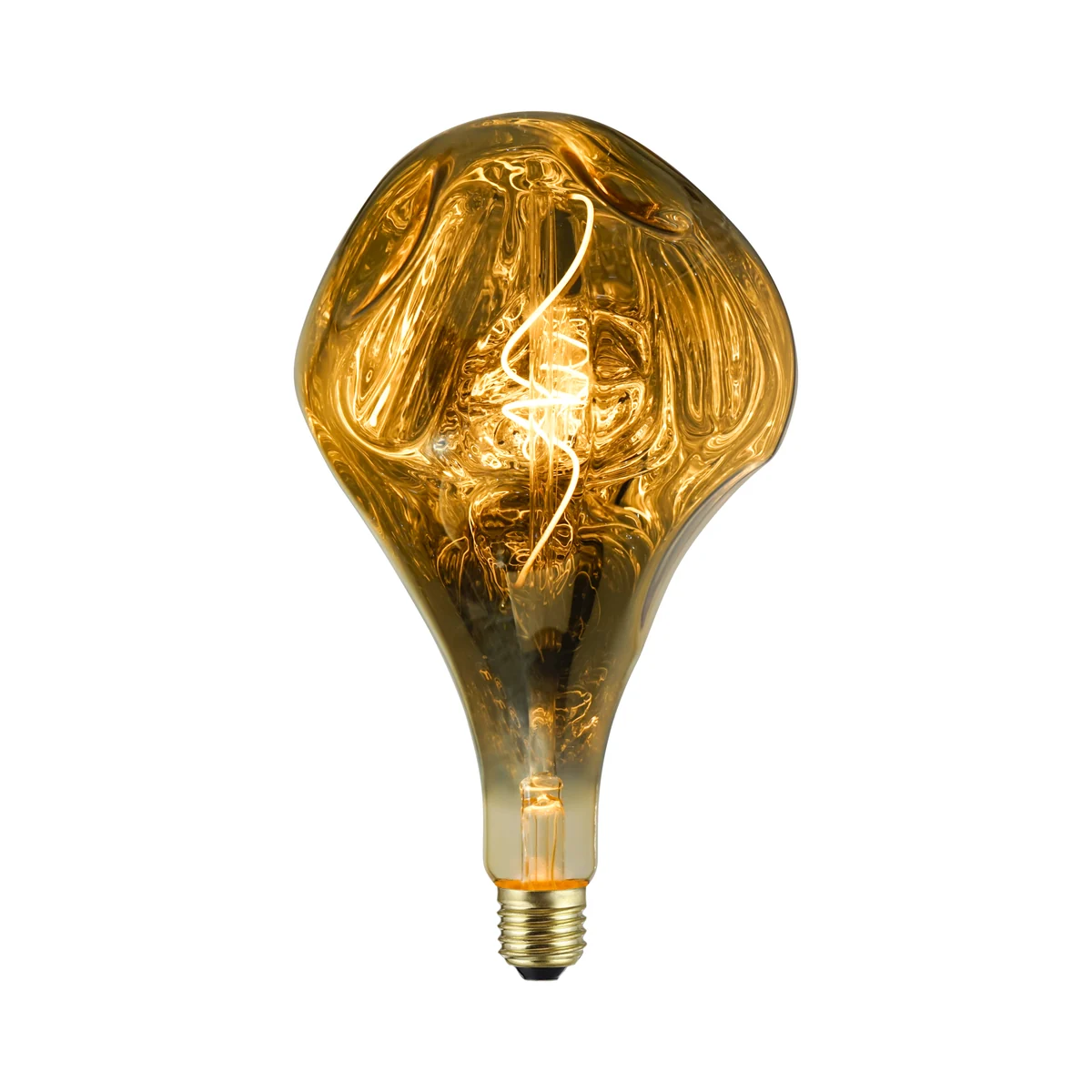
A coordinated collection can use the same finish direction on a globe and an elongated or sculptural form. The goal is a recognizable family, not identical reflection patterns on different geometry.
Start with one preferred model as the visual anchor, then compare the additional shapes beside it under the same conditions. G150 and A165 provide copper and silver starting points in HongYu's catalogue; the copper SD125 offers a further silhouette to consider. Confirm each selected model rather than treating a finish code as approval for every shape.
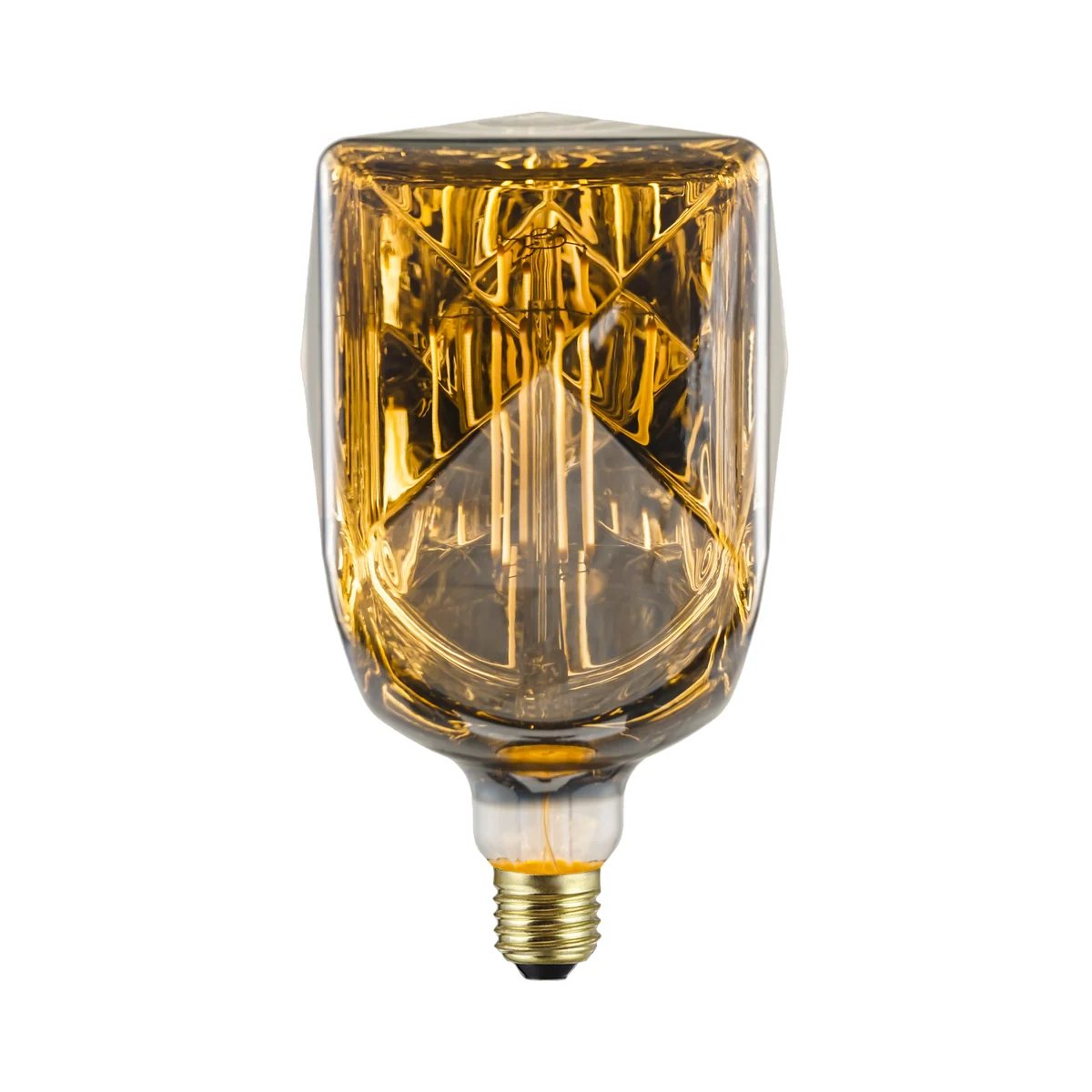
Selection judgment 4: approve the family side by side. If a model is intentionally deeper in tone or more reflective, name that distinction. Otherwise, later reviewers may mistake an intentional design choice for a production difference.
For a fixture that needs only a small metallic detail rather than a broader colored envelope, HongYu's top-mirror bulbs provide a different route. A metallic crown is not simply a smaller version of an all-over finish: its coverage and orientation change the visible composition, so sample it as a separate product choice.
Make the Approval Record Useful to the Next Order
Keep the accepted bulb reference and hardware reference together in the project record. Identify the model, finish designation, sample date or revision, intended fitting, viewing conditions and whether the target is a close match, coordination or contrast.
Record a concise result for each of the three review conditions. For example: "Coordinated warm-metal family accepted; brighter glass highlights are intentional; installed low-scene appearance accepted with the named lamp/control combination." This is an illustrative approval note, not a report of a HongYu project.
Where a visual boundary matters, discuss retaining representative accepted and unacceptable references, or a set of agreed limit samples. Do not silently turn a single attractive photograph into the entire production tolerance. Keep electrical and optical acceptance separate from the surface-appearance record so neither is lost during a reorder.

Selection judgment 5: retain the decision, not just the sample. The next buyer or production reviewer needs to know which differences were accepted and under what conditions.
Conclusion
A metallic LED bulb becomes more valuable when its finish helps make the complete fixture recognizable. Copper and silver are starting directions; the actual design decision is how the glass, hardware and illuminated scene work together.
HongYu's existing shapes and finish choices give brands concrete products to build that comparison around. Send the hardware reference, preferred models, intended lighting environment and matching objective through the custom-color bulb enquiry page. Request a focused sample proposal that addresses the appearance relationship your collection needs, with custom development and order terms confirmed for the selected scope.
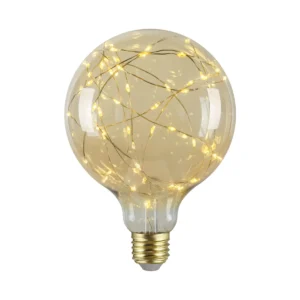
All images are real supplied HongYu catalogue photographs, proportionally resized and compressed. They are not color-calibrated approval records or evidence of a completed matching project.
References
- Konica Minolta: Colour and Surface Measurement for the Paint and Coating Industry. General guidance on controlled viewing and metamerism, not evidence of HongYu's coating process. Back to text.
- HunterLab: The Appearance of Objects. General explanation of color, gloss and viewing geometry; not a HongYu coating specification. Back to text.