Frustrated by confusing bulb choices in your lighting project?
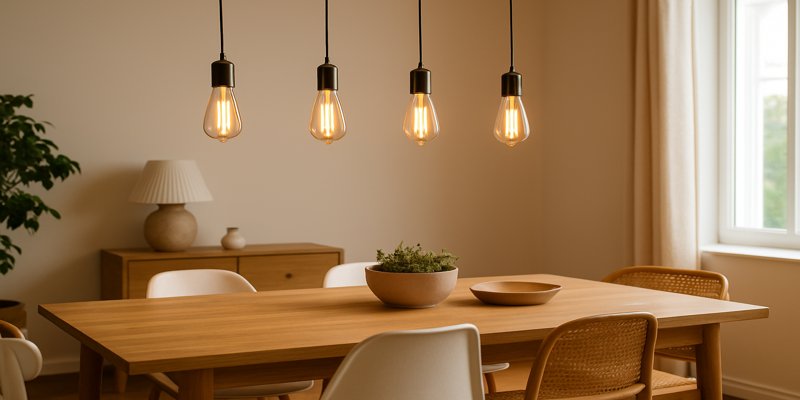
Choosing the right exposed filament LED bulb depends on base type, shape, color, brightness, and usage scenario.
Stick with me—I’ll walk you through everything step by step.
What socket base do you need?
Wrong base type means the bulb won’t even fit.
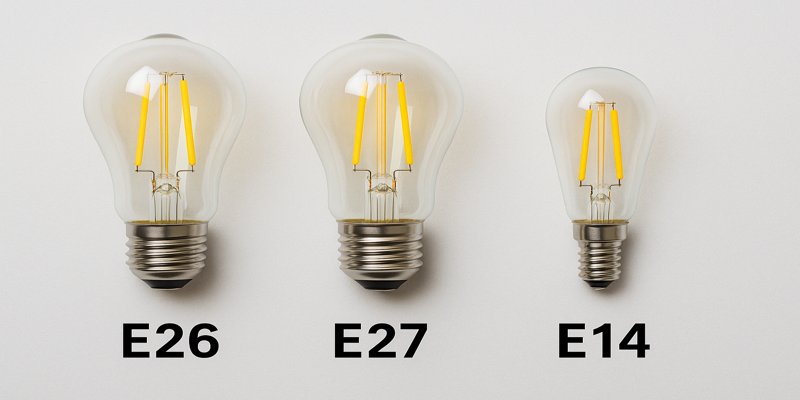
Start with checking your fixture’s base—E27 and E26 are the most common worldwide.
Why the base matters more than you think
This is the first question I ask my B2B customers before anything else: “What base are your fixtures using?”
Exposed filament LED bulbs come in various base types. For example, in the U.S., the most common is E26. In Europe and most of Asia, it’s E27. Although the difference is just 1mm, it matters. In commercial settings like restaurants or hotels, choosing the wrong base delays installation and increases return costs.
In specialty applications like chandeliers or vanity mirrors, you might encounter E14 (smaller screw) or B22 (bayonet style). Always match your bulb base to the socket.
| Region | Common Base Type | Notes |
|---|---|---|
| North America | E26 | Standard medium screw |
| Europe/Asia | E27 | Identical size, 220V-rated |
| UK/India | B22 | Bayonet fitting |
| Decorative | E14 | Smaller for chandeliers |
So, before you even look at bulb shape or brightness, always confirm the socket. That one detail can make or break your project.
What bulb shape fits your fixture and style?
Design fails when the bulb doesn't match the fixture.
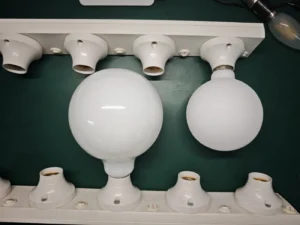
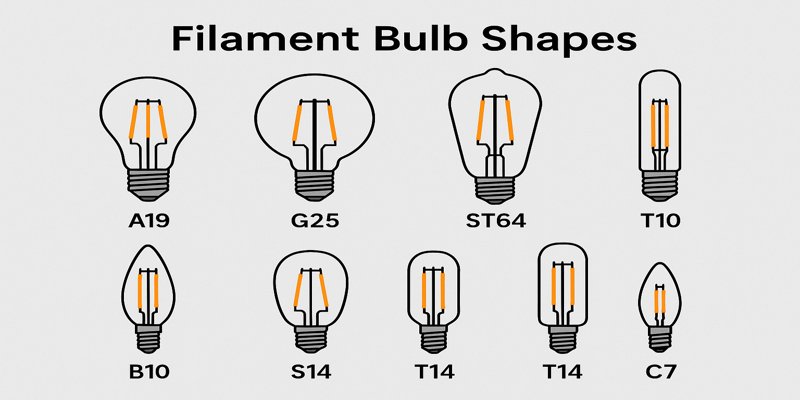
Bulb shape affects both look and light spread—ST64, G95, and A60 are popular for different reasons.
Choosing shape: not just about style, but function
I recently worked with a café owner in Amsterdam who wanted a cozy, vintage atmosphere. He loved the warm filament glow, but initially picked G95 bulbs for his wall sconces. The result? The oversized globes stuck out and looked awkward.
That’s why shape matters.
Here are some of the most popular shapes:
| Shape | Description | Best Used In |
|---|---|---|
| ST64 | “Teardrop” shape, vintage feel | Pendant lighting, bar counters |
| A60 | Standard household shape | Lamps, wall lights |
| G95/G125 | Globe-shaped, bold style | Chandeliers, designer pieces |
| T30/T45 | Tubular, elegant lines | Wall lamps, vanity mirrors |
Each shape distributes light differently. Globes cast in all directions, while tubular shapes provide directional warmth. For tighter spaces, A60 or ST64 works best. For making a statement, choose G95 or G125.
Always match bulb shape to the fixture size, mounting height, and visual balance.
What color temperature sets the right mood?
The wrong color temperature can ruin ambiance.
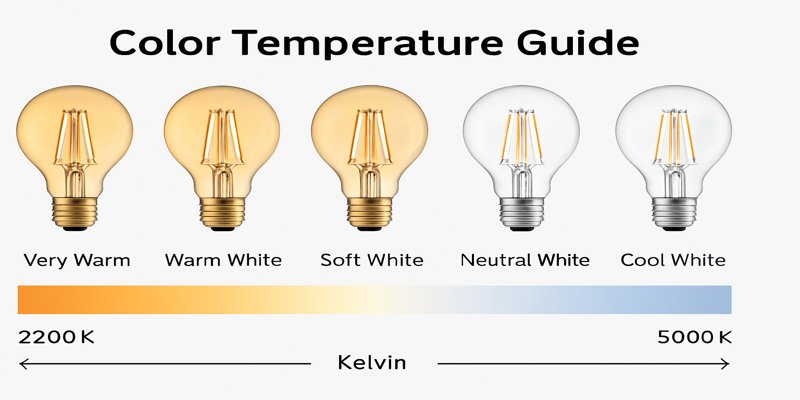
Choose between warm white (2200K–2700K) and neutral/cool whites (3000K–4000K) depending on the space.
Color affects perception—and emotion
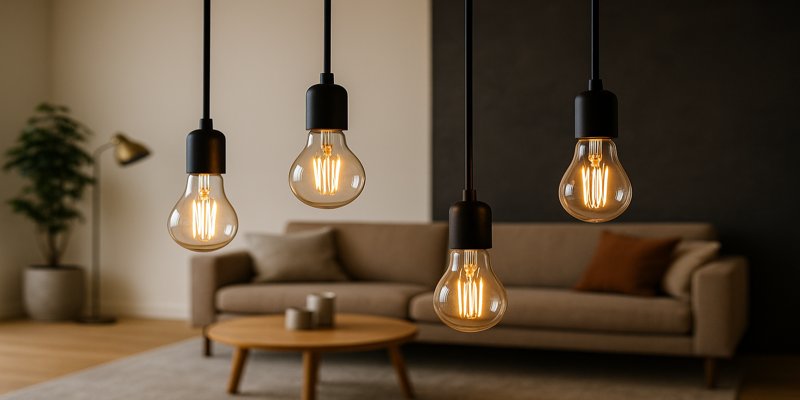
I often say: the same fixture can feel romantic or cold depending on the bulb’s color temperature.
Here’s how I guide clients:
- 2200K–2400K = deep amber glow, like candlelight. Best for bars, cozy dining areas, and vintage stores.
- 2700K = classic warm white. Most similar to incandescent bulbs.
- 3000K–4000K = neutral or cool white. Better for bathrooms, kitchens, or workspaces.
| Color Temp | Appearance | Ideal Use |
|---|---|---|
| 2200K | Amber glow | Vintage ambiance |
| 2700K | Warm white | General living, restaurant |
| 3000K–4000K | Cool/neutral white | Office, kitchen, retail |
Many of our LED filament bulbs support dimming too—allowing you to adjust mood with time of day.
So don’t just go by looks. Choose a bulb that fits the function and feeling of your environment.
How bright should the bulb be?
Too dim or too bright? Both kill the vibe.
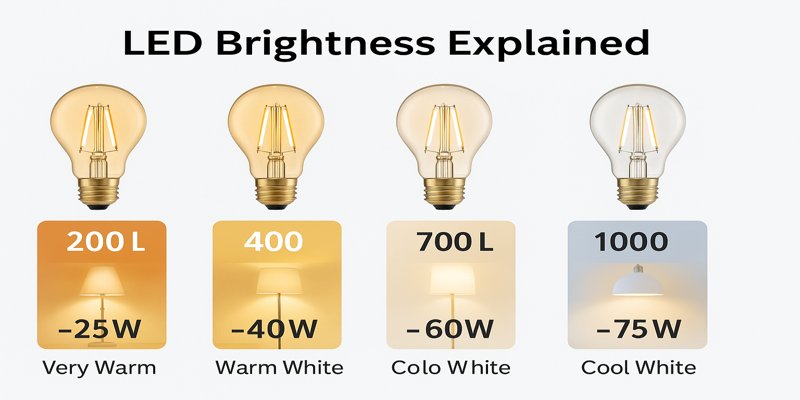
Match lumens (not just watts) to your fixture’s purpose and space size.
Think in lumens—not watts
Many buyers still ask, “How many watts is this?” But with LED, wattage is no longer a good brightness indicator. Instead, use lumens.
Here’s a basic brightness chart:
| Lumens | Equivalent | Room Type |
|---|---|---|
| 200–400 | ~25–40W | Accent lights, décor |
| 400–700 | ~40–60W | Table lamps, dining |
| 800–1000 | ~75–100W | Pendant, overhead |
A G95 LED filament bulb might use only 6W, but it can give you 800 lumens—perfect for pendant lights in restaurants.
Also consider light direction. LED filaments are often 360°, perfect for full-room ambiance. If your light is enclosed or shaded, opt for slightly higher lumens.
Always remember: it’s better to dim down than to wish for more brightness.
Where will the bulb be installed?
Different spaces need different specs.
Bulb location affects safety, certification, and performance—indoor, outdoor, commercial, or decorative.
Use case defines the spec
In commercial projects, knowing your environment helps avoid failure.
For example:
- Outdoor use: Needs IP-rated or enclosed-compatible bulbs
- Restaurants: Prefer dimmable, warm bulbs for long-hour use
- Hotels: Need certification (CE, ERP, ETL) and consistent color
- Retail: Look matters—clear glass, perfect color
I had one UK client who installed LED filament bulbs in an outdoor pergola with no covers. After a week, moisture buildup killed several bulbs. We replaced them with IP65-rated decorative bulbs, and the issue was gone.
Here’s what to look for:
| Environment | Considerations |
|---|---|
| Indoor ambient | CRI, CCT, lumen output |
| Outdoor decor | IP rating, glass durability |
| Commercial use | Certification, long lifespan |
| Event/stage | Style, flicker-free performance |
Choosing the right bulb isn’t just about looks—it’s about durability and safety too.
Should you care about certifications and quality?
Cheap bulbs often mean hidden costs later.
Certifications ensure safety, performance, and export compliance—especially for large B2B orders.
Quality isn't negotiable in business
In small DIY projects, you might get away with a generic bulb. But for any serious lighting project, quality isn’t optional—it’s essential.
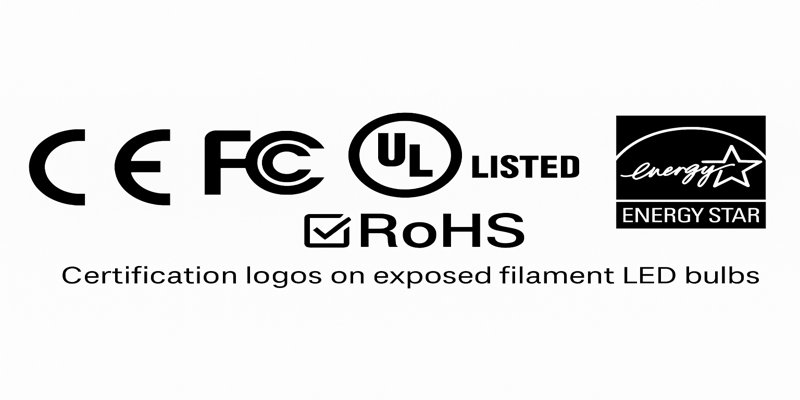
When I supply clients in Europe or North America, certifications like CE, RoHS, ERP, and ETL aren’t just recommendations—they’re legal requirements. Customs will block non-compliant products.
And beyond that, low-quality filament bulbs often:
- Burn out early
- Flicker when dimmed
- Inconsistently match in color temp
At hongyubulb, we offer:
- Factory direct pricing
- Customized packaging and branding
- Batch testing and reports
- 2- or 3-year warranties depending on model
So if you're choosing bulbs for a store, hotel, or resale, always ask your supplier for certification proof and QC systems.
| Must-Have for B2B | Why It Matters |
|---|---|
| CE/RoHS | Legal for EU import/export |
| ERP | Meets energy efficiency rules |
| ETL | For U.S. electrical safety |
| Warranty | Protects your long-term cost |
Don’t just buy a light. Buy a solution that lasts.
Related HongYu product pages
- LED Filament Bulb Product Range → — standard and decorative LED filament bulbs for wholesale and project sourcing.
- Contact HongYu Bulb → — send your target specifications, quantity, market and packaging requirements for quotation.
Conclusion
Choosing the right filament LED bulb takes base, shape, color, brightness, usage, and quality into account.
Browse from HongYu Bulb: EU Standard LED Filament Bulbs → · Copper Wire LED Bulbs →
Sourcing LED filament bulbs at wholesale? HongYu Bulb is a China-based LED manufacturer supplying wholesalers, importers, and hospitality brands worldwide. Request a quote → or browse our full LED filament bulb range →.