Featured image: AI-generated editorial illustration, not a HongYu customer installation or an insect-attraction test.
A restaurant terrace can look exactly right at sunset and become uncomfortable an hour later: small insects gather around the pendants, staff wipe the tables repeatedly, and the buyer starts looking for a warmer bulb.
The tempting purchase specification is simple: 2200K, amber glass, fewer insects.
The first two describe a lighting product. The third is a performance claim that those specifications alone cannot establish.
Warm LED bulbs can be a sensible candidate for outdoor ambience, but neither a low color temperature nor amber glass guarantees reduced insect attraction. The finished lamp's spectrum matters, and so does the installation. Buying a different bulb while leaving every exposed light, operating hour, and mounting position unchanged may miss the more useful intervention.
For lighting importers and hospitality buyers, the goal is not to find a supposedly insect-proof Edison bulb. It is to preserve the required lighting while reducing unnecessary attraction and avoiding promises the product cannot support.
What the Research Actually Supports
Two studies illustrate why a color-temperature shortcut is unreliable.
Longcore and colleagues compared customized and commercial lamps in a 2015 field study. Their results showed that lamps with similar correlated color temperatures could attract different numbers of nocturnal arthropods. They demonstrated the potential of spectral tuning, not a universal ranking of every warm bulb against every cool bulb.[1]
A separate 2016 study by Wakefield and colleagues found that the tested LEDs attracted fewer insects than the tested incandescent and compact fluorescent lamps. However, it found no statistically significant difference between its warm-white and cool-white LEDs. That is not proof that spectrum never matters; it is a warning against treating the label as a guaranteed field result.[2]
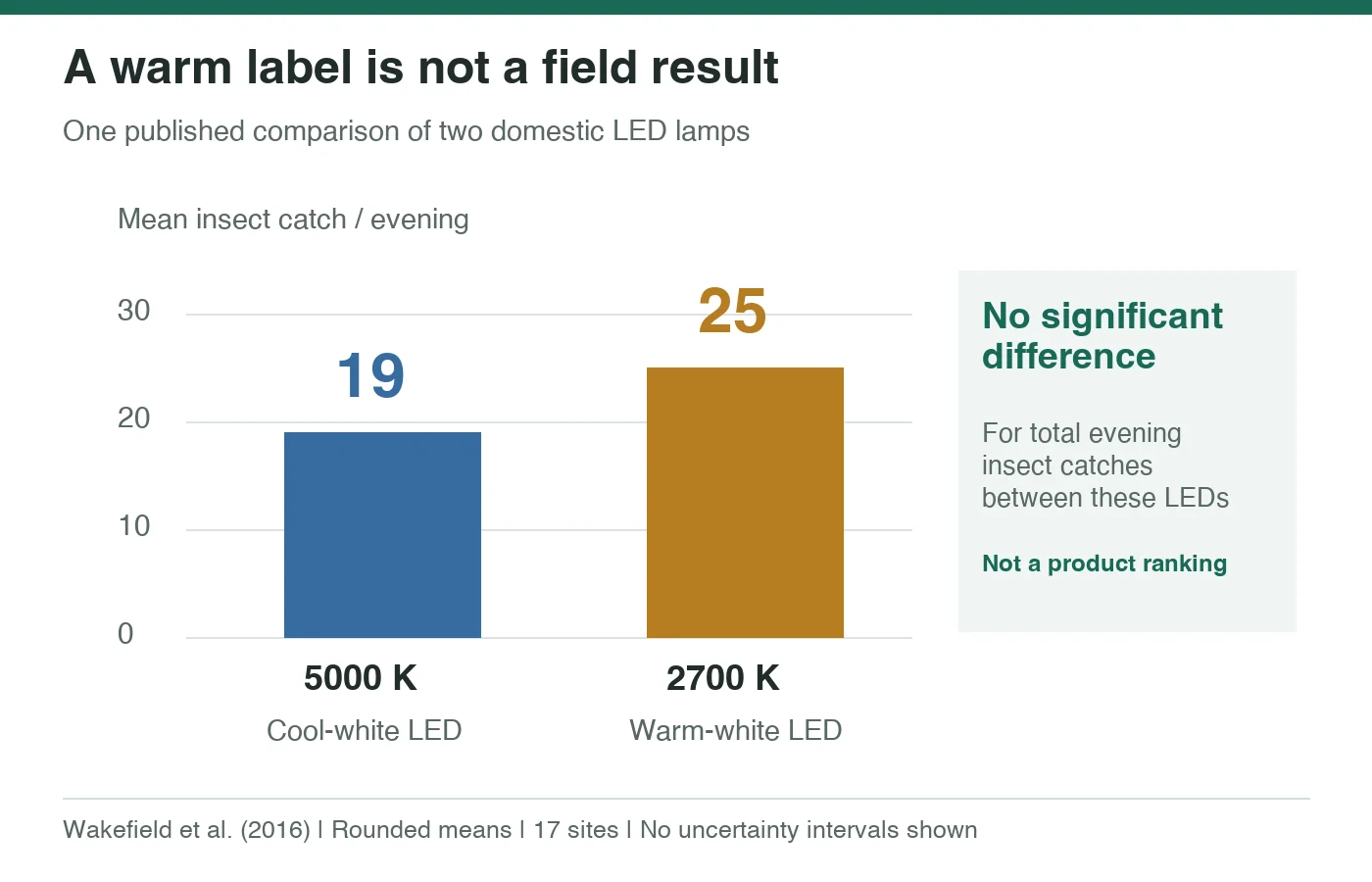
The procurement conclusion is deliberately narrower than a marketing slogan: use CCT to describe visual warmth; use relevant measurements and a controlled site trial to evaluate an insect-related claim. Neither study establishes a pass/fail threshold at 2200K.
Warm White, Amber Glass, and Yellow Light Are Different Specifications
Correlated color temperature, or CCT, describes the color appearance of near-white light. It does not provide a wavelength-by-wavelength description of what the lamp emits. That description is its spectral power distribution, or SPD.
For a buyer, the distinction becomes practical when a catalogue uses the word "amber" in several different ways.
| Product description | What it tells you | What it does not establish |
|---|---|---|
| Warm-white LED, such as 2200K | A nominal color appearance for the emitted light | A specific spectrum or a measured insect-attraction result |
| Amber or gold-tinted glass | The envelope has a colored finish | How much each wavelength is transmitted by the finished bulb |
| Dedicated yellow or amber light | A deliberately colored output, depending on the design | A universal insect response, acceptable food appearance, or outdoor suitability |
| A bulb marketed as a "bug light" | The seller is positioning it for an insect-related use | The test conditions, comparator, target insects, or evidence behind the claim |
For saturated yellow or amber sources, a CCT number may be inappropriate or insufficient. Ask for the emitted spectrum rather than forcing every product into a warm-white Kelvin comparison.
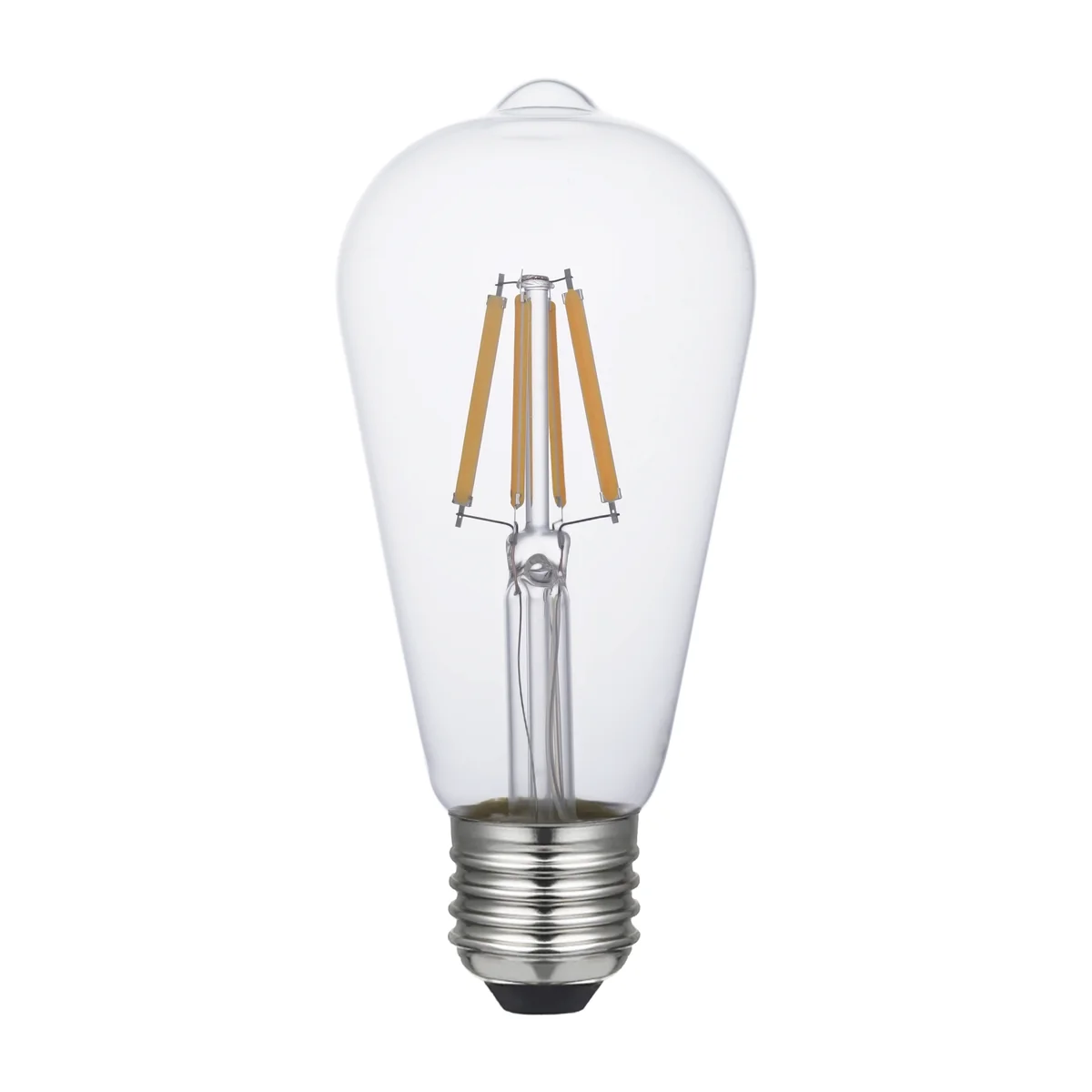
If the brief is a vintage visual effect, HongYu's EU vintage straight-filament bulbs are a relevant place to discuss gold glass and warm appearance. That is a product-selection starting point, not evidence that the range repels insects.
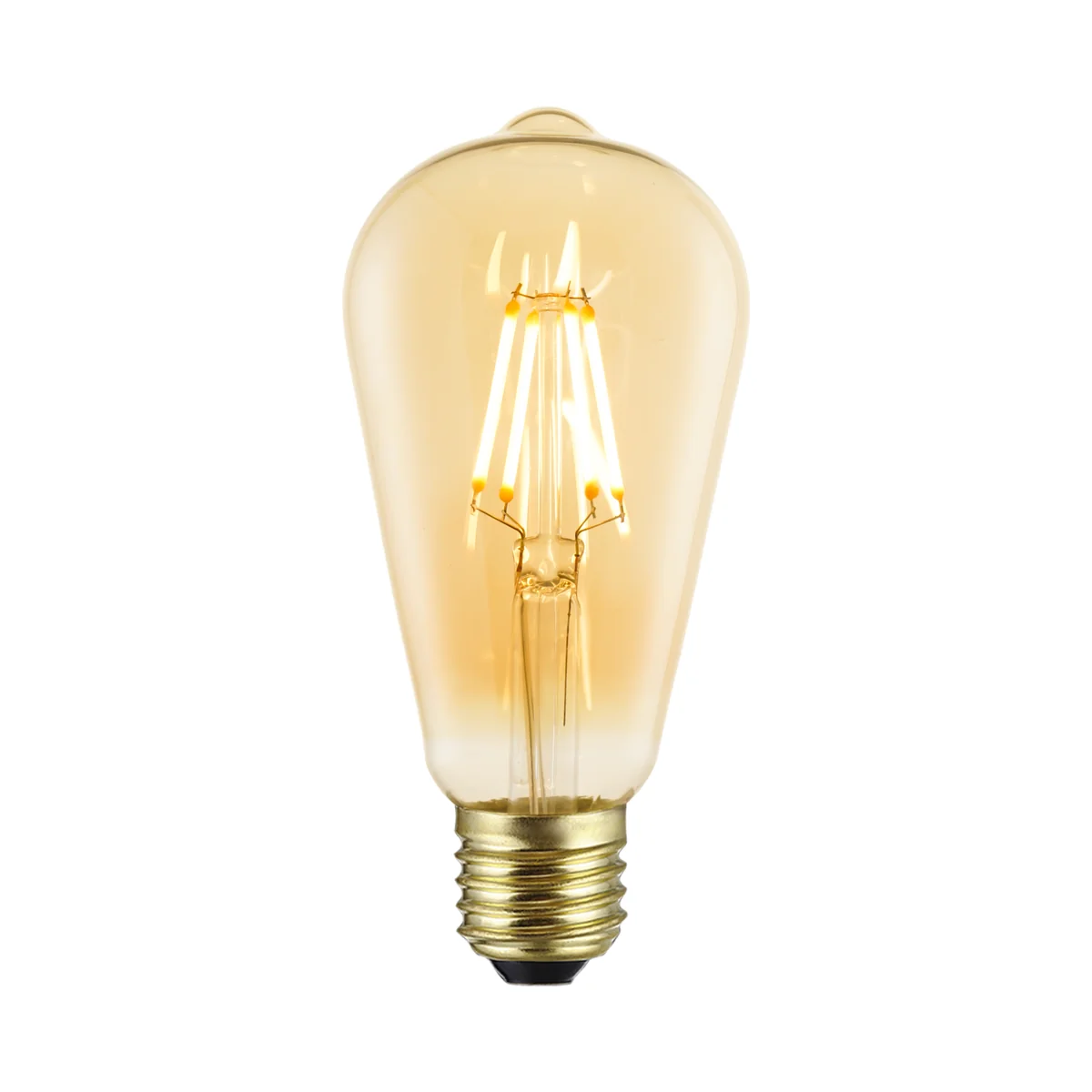
The measurement request should refer to the finished bulb, with its final glass, not only the LED filament before assembly. If a coating changes between the sample and the order, a report for the earlier configuration does not fully describe the new one.
The reverse misconception also matters: clear glass does not mean cool-white light. The envelope's appearance and the emitted light are separate purchasing decisions. HongYu's EU standard filament bulbs provide a clear-glass comparison route when discussing shape, output, and color requirements. Neither glass type should be declared the insect-related winner from photographs alone.
The Bulb Is Only Part of What Insects Encounter
A 2024 flight-tracking study found that nearby artificial light could disrupt insects' orientation and produce circling, stalling, or inverted flight. It helps explain local accumulation around a lamp; it does not prove that every insect travels from a distant area directly toward it.[3]
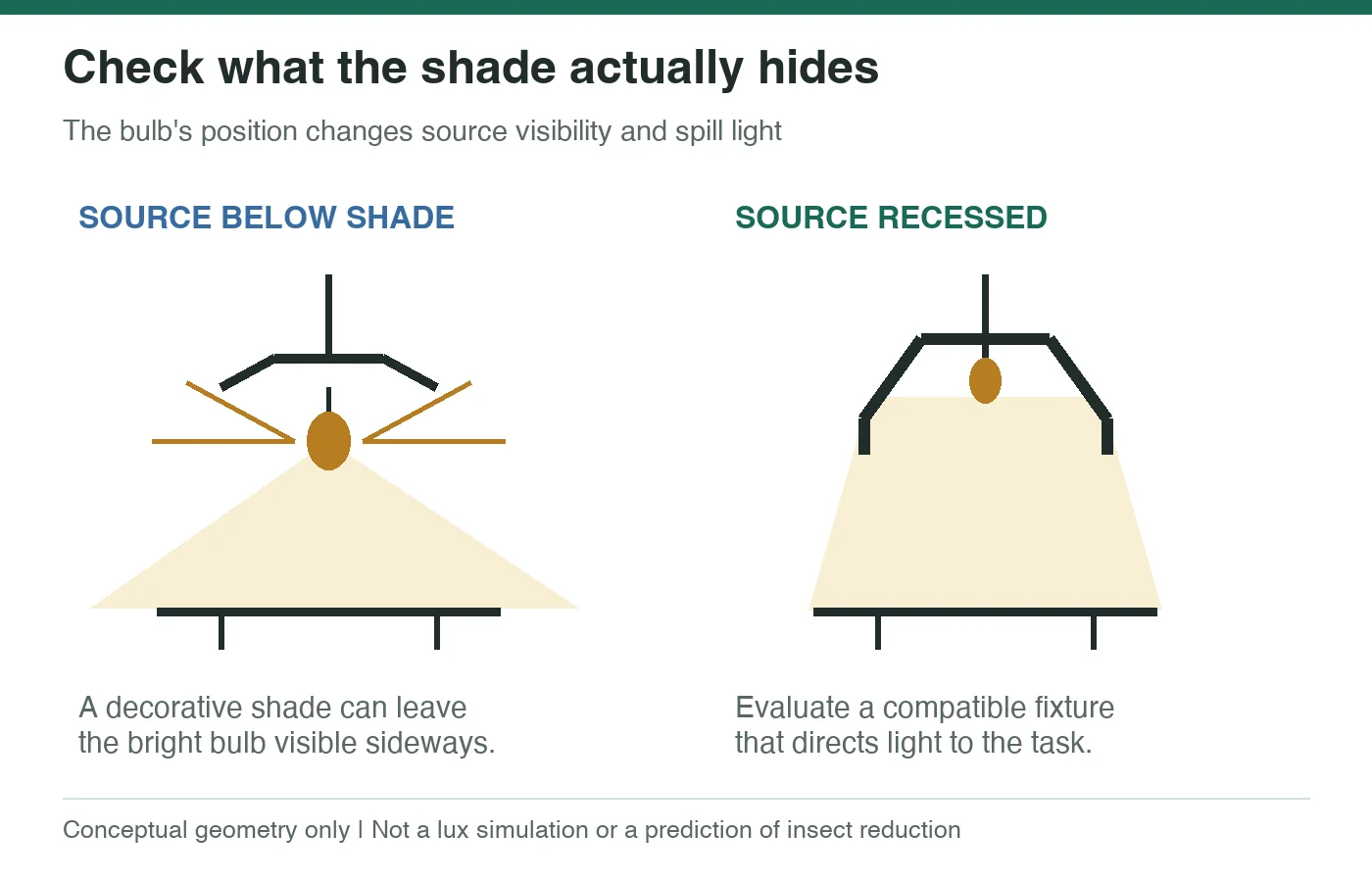
This makes the visibility of the light source worth examining, not just its color.
In a separate 2024 road-lighting study, researchers tested tailored light distribution and shielding that reduced insect attraction while maintaining the intended road illumination. Road luminaires are not restaurant pendants, so the study's effect size should not be transferred to a terrace. The useful design lesson is that controlling where light goes can matter alongside spectrum.[4]
Walk through the proposed installation from three positions: the dining area, the doorway, and the unlit surroundings. Can the bright source be seen from all three? Does the bulb hang below its shade? Are decorative strings illuminating vegetation and neighboring areas that do not need light?
A shallow shade can look substantial while leaving the entire bulb exposed. Specify the bulb-and-shade geometry together. Any change must remain compatible with the fixture's lamp dimensions, thermal limits, and installation instructions.
Specify the Terrace by Lighting Task
DarkSky International and the Illuminating Engineering Society recommend lighting that has a purpose, is directed where needed, uses an appropriate low level, is controlled in time, and limits unnecessary short-wavelength output.[5]
For a hospitality brief, turn those principles into separate decisions rather than making one decorative lamp perform every job:
| Area | Lighting decision to evaluate | Check before approval |
|---|---|---|
| Dining tables | Provide localized light for menus and food | Tabletop illuminance, glare, and the appearance of actual menu items |
| Decorative pendants or strings | Establish visual rhythm at the lowest useful setting | Source visibility, fixture compatibility, and light reaching beyond the seating area |
| Entrance and service door | Illuminate the route without an unnecessarily exposed source beside the opening | Door operation, staff sightlines, and spill into the surroundings |
| Steps and circulation | Preserve safe movement with controlled distribution | Applicable requirements and visibility of changes in level |
| Unused seating after service | Switch off nonessential decorative lighting | Separate controls from required safety and security lighting |
There is no universal lumen value or mounting distance that makes these areas insect-free. A designer must establish the required service level for the actual site.
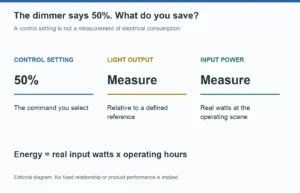
For a terrace with different service periods, EU dim-to-warm bulbs may be worth evaluating for adjustable ambience. Verify the selected bulb, dimmer, and lamp count together. Do not assume the warmer-looking low setting has a demonstrated insect benefit, or that the dimmer's percentage is the percentage of light output.
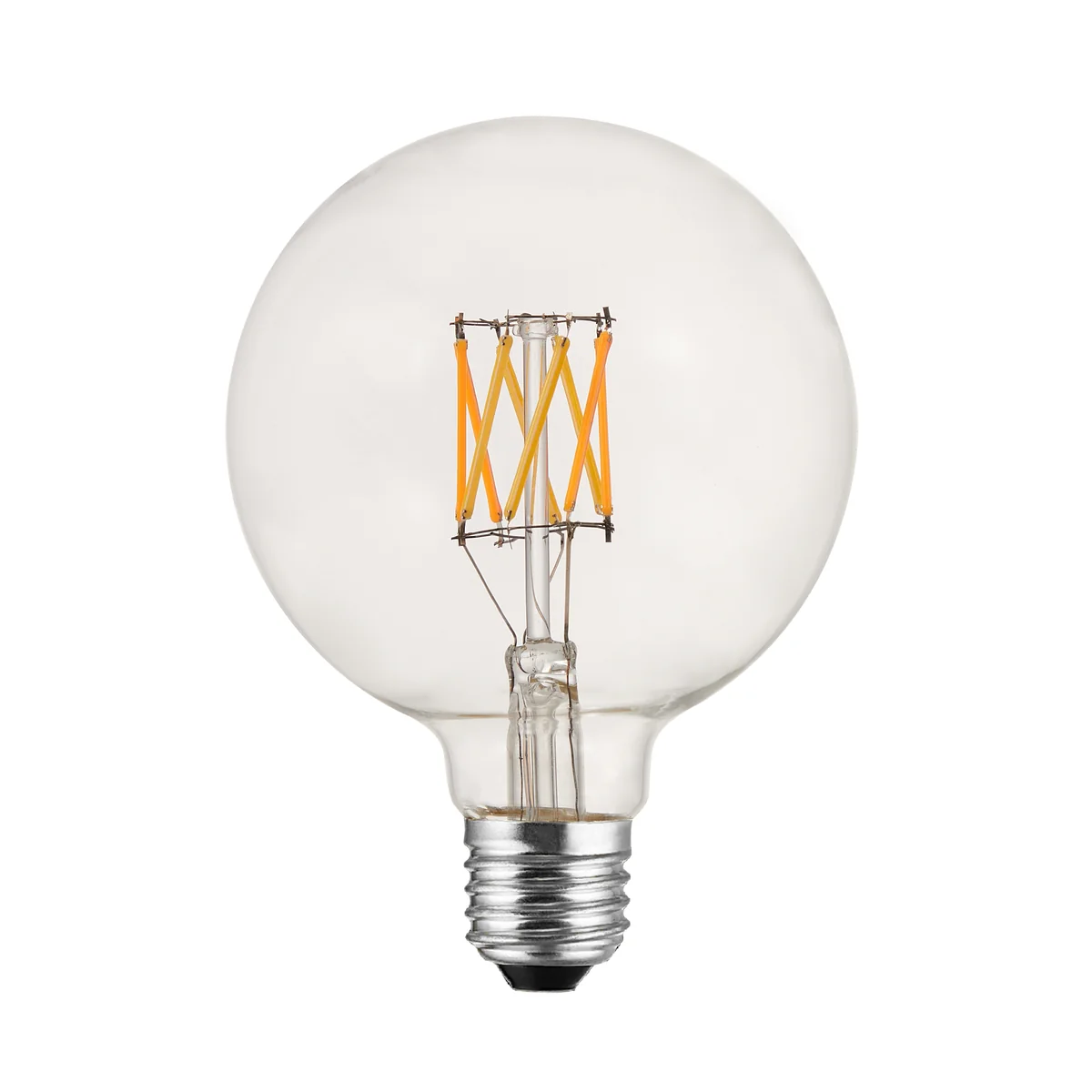
All product examples here are discussion references. Confirm the exact lamp and complete fixture are suitable for the exposure, enclosure, voltage, and local installation requirements. A warm CCT, a glass envelope, or a weather-resistant lampholder does not by itself establish outdoor suitability for the assembly.
Five Buyer Judgments Before Approving an Order
1. A Kelvin Number Is Not an Insect Test
Treat "2200K, therefore fewer insects" as an unsupported conclusion unless the supplier provides relevant evidence. Request the finished-lamp SPD with sample identification, operating voltage, measurement method, and the tested dimming state. A spectrum improves the technical discussion, but it is not an insect field trial by itself.
2. Separate Lamp Performance from Installation Performance
A lamp comparison, a shade comparison, and a complete terrace redesign answer different questions. If the new installation changes spectrum, output, mounting, and operating hours simultaneously, any improvement belongs to the package. Do not attribute it solely to the bulb's color.
3. Compare Useful Illumination, Not Just Equal Watts
Two bulbs with equal wattage can deliver different light through their glass and fixtures. For a practical procurement comparison, agree a useful task level and measure illuminance at fixed table and route positions. Record each lamp's output and operating setting as well. Otherwise, a darker installation can appear successful simply because it supplies less light.
Matching lux makes the trial more relevant to guests; it does not equalize the light as insects perceive it or isolate every spectral variable. A claim specifically about spectral causation needs a more controlled experimental design.
4. Count the Problem You Are Trying to Solve
Insects circling a pendant, insects landing on tables, and insects entering a service door are different outcomes. Choose the primary observation before the trial and keep the location and observation period consistent. Do not turn counts near a lamp into a claim about fewer mosquito bites.
5. Approve the Claim Alongside the Sample
An appearance specification such as "2200K decorative LED" is different from "tested to attract fewer insects than model X under method Y." The second needs the underlying results and limits. Reject "insect-proof," "mosquito-repellent," or a percentage reduction copied from a study of another lamp. Also preserve the approved filament, driver, and glass configuration for the order.
A Site Trial That Can Inform a Buying Decision
The following is a proposed procurement workflow, not a HongYu test result or a validated entomological protocol.
Begin with a specific question. For example: "Can option B reduce insect landings in the dining zone while retaining the agreed tabletop lighting?" That is more useful than "Which light attracts fewer bugs?"
Record the existing lamp, fixture, position, settings, and surrounding lights. Use fixed observation windows after sunset, and note weather, wind, occupancy, door use, and any pest-control interventions. These records help reveal when two evenings were not comparable.
When feasible, use repeated, randomized or counterbalanced comparisons: alternate which eligible zone receives each setup, or vary the sequence across evenings. Do not place test lights so close that their light fields and insect observations interfere. If the site cannot provide independent zones, use a repeated crossover at one location and document the changing conditions.
Keep the observation method unchanged. A staff member might record visible landings in a defined table area during equal observation periods. Repeated sightings are not necessarily unique insects, so describe the measure honestly. Avoid adding an insect-attracting trap to the dining area merely to generate a number.
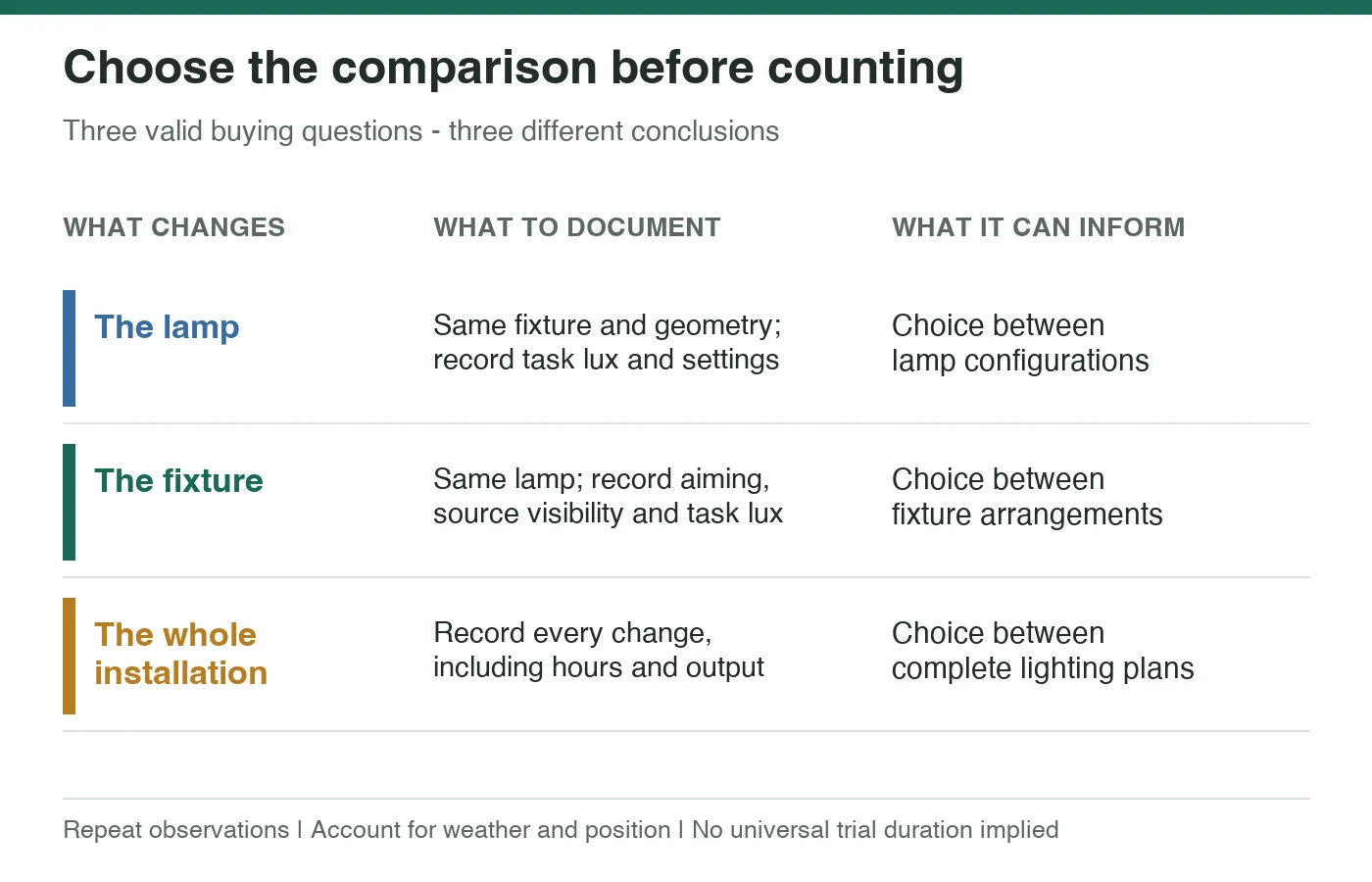
Use several suitable evenings rather than one favorable night; a commercial performance claim may require a larger, professionally designed study. Include guest comfort, menu readability, staff feedback, and maintenance access in the decision. If insect counts are very low, do not manufacture a percentage advantage from an inconclusive trial.
What to Send the Supplier
A useful RFQ attachment can be short, provided it connects the lamp to the installation.
| Item | Information to provide or request |
|---|---|
| Application | Dining terrace, entrance, pathway, or decorative feature; operating hours |
| Site concern | Defined observation: circling, table landings, or entry through an opening |
| Fixture and exposure | Fixture drawing or photo, lamp space, enclosure conditions, environmental exposure |
| Electrical configuration | Supply voltage, cap, dimmer model, and number of lamps on the circuit |
| Visual requirement | CCT, glass finish, light output, and agreed food/menu appearance |
| Measurement evidence | Finished-lamp SPD and photometric report tied to the proposed configuration |
| Site comparison | Baseline setup, task illumination, observation method, and repeat schedule |
| Claim and change control | Exact proposed wording, supporting evidence, and parts or finish changes requiring review |
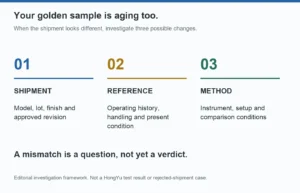
From a production perspective, the key is traceability: the sample, its report, and the eventual order must describe the same configuration. That is a controllable factory requirement. The local insect population is not.
What This Approach Will Not Do
Fewer insects observed around a lamp does not establish reduced mosquito-bite risk. A decorative bulb is not a substitute for mosquito-control or bite-prevention measures. CDC guidance includes maintaining screens and addressing standing water; persistent problems should be discussed with appropriate local professionals.[6]
Likewise, "fewer visible insects" is not proof of ecological harmlessness. Keep the article's claim, the supplier's claim, and the site's operational goal separate.
Conclusion
A 2200K bulb can meet a warm-ambience brief without proving an insect-related benefit. Amber glass does not close that evidence gap, and a warmer label cannot compensate for every exposed source or unnecessary hour of operation.
For outdoor hospitality procurement, specify the finished lamp, its fixture, the useful illumination, and the observation you want to improve. Compare the candidates under documented conditions, then make only the claim the evidence supports.
Buy a lighting solution for a defined site, not an insect-control promise attached to a Kelvin number.
References
- Longcore, T., et al. (2015). Tuning the white light spectrum of light emitting diode lamps to reduce attraction of nocturnal arthropods. Philosophical Transactions of the Royal Society B, 370, 20140125. DOI: 10.1098/rstb.2014.0125. Back
- Wakefield, A., et al. (2016). Experimentally comparing the attractiveness of domestic lights to insects: Do LEDs attract fewer insects than conventional light types?. Ecology and Evolution, 6, 8028-8036. DOI: 10.1002/ece3.2527. Back
- Fabian, S. T., et al. (2024). Why flying insects gather at artificial light. Nature Communications, 15, 689. Back
- Dietenberger, M., et al. (2024). Reducing the fatal attraction of nocturnal insects using tailored and shielded road lights. Communications Biology, 7, 671. Back
- DarkSky International and Illuminating Engineering Society. Five Principles for Responsible Outdoor Lighting. Back
- Centers for Disease Control and Prevention. Mosquito Control at Home. Back